






Understanding Heartburn Triggers
Frequent heartburn, often felt as a burning sensation in the chest post-meal, can be exacerbated by specific food and drink choices. Stomach acid backing
up into the esophagus irritates the lining, causing discomfort. Dr. Saurabh Sethi, a gastroenterologist trained at Harvard and Stanford, highlights common culprits that can worsen acid reflux. These include caffeine found in coffee, which relaxes the lower esophageal sphincter (LES), and alcohol, which can increase stomach acid production and irritate the digestive tract, particularly when consumed late at night or in large quantities. Highly acidic items like tomatoes and citrus fruits (oranges, lemons, grapefruits) can directly aggravate heartburn symptoms for sensitive individuals. Even seemingly pleasant treats like chocolate can be problematic, as they contain compounds that also relax the LES, increasing the likelihood of acid reflux. Furthermore, spicy foods are notorious for irritating the esophagus and triggering that characteristic burning sensation, especially for those with pre-existing digestive sensitivities.
Soothing Foods for Relief
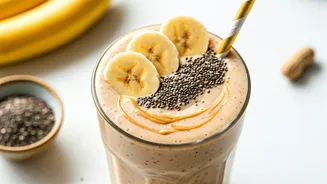
While certain foods can aggravate heartburn, many others can offer natural relief and soothe an irritated digestive system. Opting for oatmeal, a fiber-rich grain, can help absorb excess stomach acid, making it an excellent and gentle breakfast choice for those prone to reflux. Ginger, celebrated for its potent anti-inflammatory properties, can effectively calm the digestive tract and mitigate the irritation associated with heartburn. Bananas, being naturally low in acid, are a fantastic option as they may help coat the stomach lining, providing temporary respite from acidity. For a cooling effect, aloe vera juice is often recommended for its soothing qualities on the digestive tract, potentially reducing inflammation. Lastly, chamomile tea is a time-honored remedy that can help relax the digestive system and alleviate discomfort, especially when enjoyed after meals or before sleep.
Beyond Diet: Lifestyle Tips
Managing heartburn isn't solely about what's on your plate; lifestyle adjustments play a crucial role. Experts emphasize the importance of eating meals slowly and avoiding excessively large portions, which can put undue pressure on the stomach. Staying upright after eating, rather than immediately reclining, helps gravity keep stomach acid in place. Limiting late-night snacking is also advised, as lying down with a full stomach can encourage reflux. Physical factors can contribute too; wearing loose-fitting clothing reduces pressure on the abdomen, and maintaining a healthy weight can significantly lower the risk of acid reflux by alleviating pressure on the stomach. These simple yet effective strategies, when combined with mindful food choices, can significantly contribute to a more comfortable digestive experience.