






Processed Food Perils
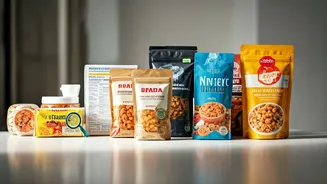
The allure of convenience and taste often leads us to processed and fried foods, which are staples in many Indian kitchens. However, regular indulgence
in packaged snacks, instant meals, and deeply fried delicacies can significantly compromise our well-being. These food items frequently contain an array of artificial chemicals and preservatives, introduced to extend shelf life and enhance flavour. Over prolonged periods of consumption, these additives are thought by some experts to potentially escalate the likelihood of developing serious health conditions, including certain types of cancer. Furthermore, the high sugar content prevalent in many fast foods and processed items, while directly linked to issues like diabetes, is also being scrutinized for its potential role in increasing cancer susceptibility. Making mindful choices about these readily available food options is crucial for long-term health maintenance and risk reduction.
Plastic and Foil Pitfalls
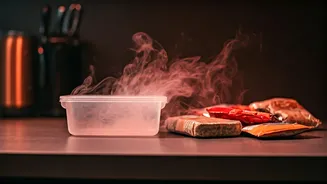
The convenience of plastic containers in Indian households is undeniable, yet their safety warrants closer examination. When used for storing or reheating food, particularly hot meals, harmful chemicals can migrate from the plastic into the food. This leaching process can introduce microplastics and other toxins into the body, posing potential health threats. Similarly, aluminium foil, a common kitchen companion for wrapping and cooking, requires cautious handling. Storing or preparing highly acidic or excessively salty foods within aluminium foil can lead to metal particles contaminating the food, which may then be ingested. Experts advocate for minimizing the use of plastic for food storage and reheating, and exercising prudence with aluminium foil to mitigate these risks and safeguard against potential adverse health impacts.
Cookware Concerns
Non-stick cookware offers a seamless cooking experience, but its potential downsides are a growing concern. The non-stick coating, when subjected to excessive heat, can break down and release toxic fumes and chemicals. These airborne particles can then be inhaled or incorporated into food, raising questions about their long-term effects on health. It is strongly advised to replace non-stick pans as soon as their surfaces show signs of wear, such as scratches or peeling. A compromised coating not only affects cooking performance but also allows fragments of the material to mix with your meals. These degraded coating particles have been associated with negative impacts on vital organs, including the liver and lungs, underscoring the importance of maintaining cookware in good condition.
Hygiene and Sponges
Even seemingly innocuous items like dishwashing sponges can harbor unseen dangers within the home. These porous tools, often left damp after use, can become breeding grounds for invisible bacteria and microorganisms. When these microbes are present on sponges used to clean utensils, they can easily transfer to dishes, cutlery, and cooking vessels. Consequently, these contaminants may then enter the body when food is consumed. A weakened immune system can be more susceptible to infections. While not directly linked to cancer in the same way as chemical leaching, compromised hygiene through contaminated sponges can contribute to a general decline in health, potentially making the body more vulnerable to various ailments over time.