







Azulejos: Iberian Storytelling
Azulejos, a prominent tile art form deeply embedded in the cultural fabric of Portugal and Spain, offers a captivating visual narrative. These tiles, frequently
rendered in striking blue and white hues, serve as canvases for historical events, religious parables, and intricate ornamental designs. Their widespread application on both interior walls and exterior building facades transforms everyday structures into open-air galleries, preserving and disseminating cultural heritage through their enduring beauty. The craftsmanship involved in creating Azulejos demonstrates a profound connection to storytelling and decorative arts, making them a vital component of Iberian architectural identity.
Iznik: Ottoman Brilliance
Emerging from the historic town of Iznik during the opulent era of the Ottoman Empire, Iznik ceramics represent a pinnacle of artistic achievement. These tiles are celebrated for their vivid palette, dominated by rich cobalt blues, radiant turquoises, and deep reds, forming complex and mesmerizing patterns. This distinctive style found its most magnificent expression in the decoration of monumental structures, most famously adorning the interiors and exteriors of landmarks like the awe-inspiring Blue Mosque. The exquisite detail and vibrant colors of Iznik tiles have cemented their status as a symbol of Ottoman artistry and architectural grandeur, influencing decorative arts for centuries.
Khavda: Desert's Touch
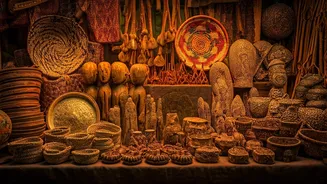
Hailing from the village of Khavda, Khavda pottery tiles embody the rustic charm and artistic spirit of the desert landscape. Artisans meticulously craft ceramic tiles and pottery, imbuing them with earthy tones derived from natural pigments. The decorative motifs are deeply inspired by the surrounding arid environment, featuring traditional patterns that echo the textures and colors of the desert. This art form connects deeply with its geographical origins, offering a tangible representation of regional aesthetics and the natural beauty of Khavda. The use of local materials and traditional techniques ensures a unique and authentic artistic expression.
Majolica: Renaissance Glaze
Originating in Italy during the vibrant period of the Renaissance, Majolica tiles are renowned for their distinctive glossy glaze and richly colored, narrative designs. This technique allowed for the creation of intricate pictorial scenes, often depicting religious or mythological subjects, which were highly sought after for their decorative and storytelling capabilities. Majolica found its place adorning sacred spaces like churches, gracing opulent villas, and serving as captivating decorative panels. Its characteristic sheen and vibrant hues made it a hallmark of Renaissance artistry, contributing significantly to the aesthetic landscape of the era.
Talavera: Vibrant Fusion
Talavera tiles, originating from Puebla, Mexico, showcase a fascinating fusion of Spanish colonial influences and indigenous ceramic traditions. These tiles are characterized by their exceptionally vibrant color palettes and often feature elaborate floral motifs or striking geometric patterns. Their versatility makes them a popular choice for both architectural embellishments, adorning building facades and outdoor spaces, and for decorative interior applications. The enduring popularity of Talavera lies in its lively aesthetic and the rich cultural history it represents, a beautiful blend of two distinct artistic legacies.
Zellige: Moroccan Mosaics
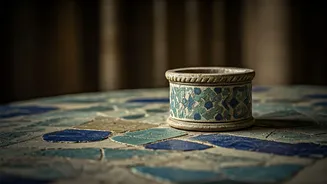
Zellige is a revered form of mosaic tile art that originates from the rich cultural heritage of Morocco. This intricate craft involves artisans meticulously hand-cutting small, vibrantly colored glazed tiles. These precisely shaped pieces are then painstakingly assembled to create complex and mesmerizing geometric patterns. Zellige tilework is a hallmark of Moroccan architecture, famously adorning the surfaces of mosques, serene fountains, and opulent palaces, where its dazzling designs contribute to an atmosphere of breathtaking beauty and spiritual resonance.