






The Teething Analogy
The often-misunderstood phrase, 'Parents are the bones on which children cut their teeth,' carries a deep truth about childhood development. Initially
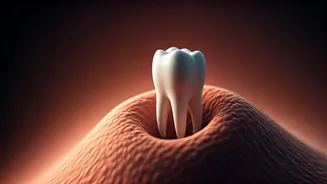
sounding harsh, it elegantly describes how children grow through a process of testing, challenging, and occasionally causing discomfort to those who support them. This mirrors the physical act of teething, a phase marked by messiness, discomfort, and a certain lack of gentleness as babies explore their world. Extending this metaphor to childhood, we see that kids learn not just from direct instruction, but significantly from their interactions, reactions, and even clashes with their parents. This dynamic is not indicative of parenting failure but is, in fact, a fundamental aspect of the learning process.
Why Home Is the Testing Ground
Children often reserve their most intense emotions and challenging behaviors for home, leading to arguments, refusals, tears, and boundary-pushing that can feel intensely personal. However, this behavior is rarely a targeted attack. Instead, it stems from the perception of home as the safest environment. Parents, by being a steady, ever-present, and resilient foundation—the 'bones'—become the secure base from which children explore and understand the world. This constant testing, while undeniably exhausting for parents, is crucial. In these seemingly chaotic moments, children are learning invaluable lessons about managing anger, experiencing forgiveness, understanding limits, and discovering their own capabilities.
Subtle Lessons in Reactions
Beyond overt teachings, children absorb critical life lessons from the subtle, everyday ways parents navigate their own experiences. They observe how parents handle stress, their tone of voice when fatigued, and their responses to disappointment. When a child exhibits frustration or withdrawal, and a parent responds with patience or makes a genuine effort to understand, they are demonstrating something powerful: not perfection, but the effort to manage difficult emotions. This effort leaves a lasting positive impression. Conversely, harsh words, continuous criticism, or emotional withdrawal can shape a child just as profoundly, highlighting the uncomfortable reality that being the 'bones' means not only being strong but also being deeply influential, with every interaction leaving a significant imprint.
Embracing Imperfection in Parenting
There's considerable societal pressure on parents to maintain an aura of calm, wisdom, and unending patience, a portrayal that rarely aligns with the realities of daily life. Parents inevitably lose their temper, utter regrettable words, and experience profound exhaustion. Crucially, children witness these imperfections. However, this exposure isn't necessarily detrimental. It offers a more authentic view of human behavior and, more importantly, provides opportunities for teaching through consequence and repair. Children observe not just the mistake, but the subsequent actions: the apology, the explanation, and the renewed effort. These responses, rather than flawlessness, are where the most impactful lessons about resilience and accountability are truly learned.
Mutual Growth Through Interaction
The dynamic of children 'cutting their teeth' on parents is not a one-way street; it’s a catalyst for mutual growth. Parents discover reserves of patience they never knew they possessed and are often confronted with aspects of their own personality they might prefer to avoid. This process, while sometimes uncomfortable and rarely gentle or aesthetically pleasing, is profoundly real and contributes significantly to a parent's personal evolution. Children, by testing and shaping themselves against their parents, grow and develop, but in turn, parents are also molded and refined through these intense, formative interactions, making the entire journey deeply meaningful.