



Fueling the First Trimester
The initial phase of pregnancy is a critical period for development, and your diet plays a pivotal role. Focusing on nutrient-dense foods becomes paramount
as your baby begins to form. Incorporating lean proteins, whole grains, and an abundance of fruits and vegetables will provide the foundational building blocks. For instance, folate-rich foods like leafy greens and fortified cereals are essential for preventing neural tube defects. Adequate hydration is also key, so aim for plenty of water throughout the day. Managing early pregnancy symptoms like nausea can be challenging, but small, frequent meals featuring bland foods such as crackers, toast, and plain yogurt can offer relief. Avoiding strong odors and greasy foods may also help settle your stomach during this sensitive time.
Combating Pregnancy Discomforts
Pregnancy often brings its share of discomforts, and heartburn is a common one. To alleviate this burning sensation, consider making simple dietary adjustments. Opting for smaller, more frequent meals rather than three large ones can prevent your stomach from becoming too full. Avoiding trigger foods such as spicy dishes, fried items, and acidic fruits like citrus can significantly reduce the likelihood of heartburn. Similarly, spicy snacks and carbonated beverages are best avoided. Instead, focus on easily digestible foods. For morning sickness, small portions of bland foods, ginger in various forms (like ginger ale or candies), and staying hydrated can be immensely helpful. Some find that sipping on broth or eating dry toast first thing in the morning helps to stave off nausea.
Superfoods for Expectant Mothers
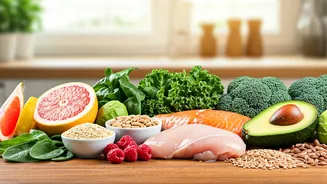
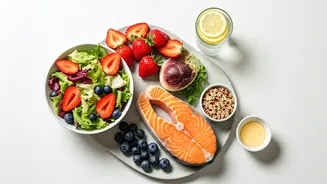
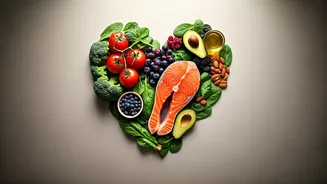
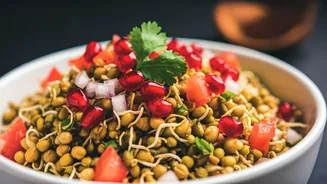
Certain foods stand out as nutritional powerhouses for pregnant individuals, offering a concentrated dose of vital nutrients. Salmon, for example, is celebrated for its omega-3 fatty acids, which are crucial for fetal brain development, and it's also a good source of protein. Lentils and beans are packed with fiber, protein, and iron, essential for preventing anemia and supporting energy levels. Leafy greens like spinach and kale are rich in folate, vitamin A, and iron. Eggs provide choline, vital for brain and spinal cord development, along with protein. Berries are antioxidants powerhouses, offering vitamins and fiber. Yogurt, especially Greek yogurt, delivers protein and calcium. Sweet potatoes are a fantastic source of beta-carotene, which the body converts to vitamin A, important for vision and immune function. Lastly, nuts and seeds offer healthy fats, protein, and minerals.
Foods to Embrace Daily
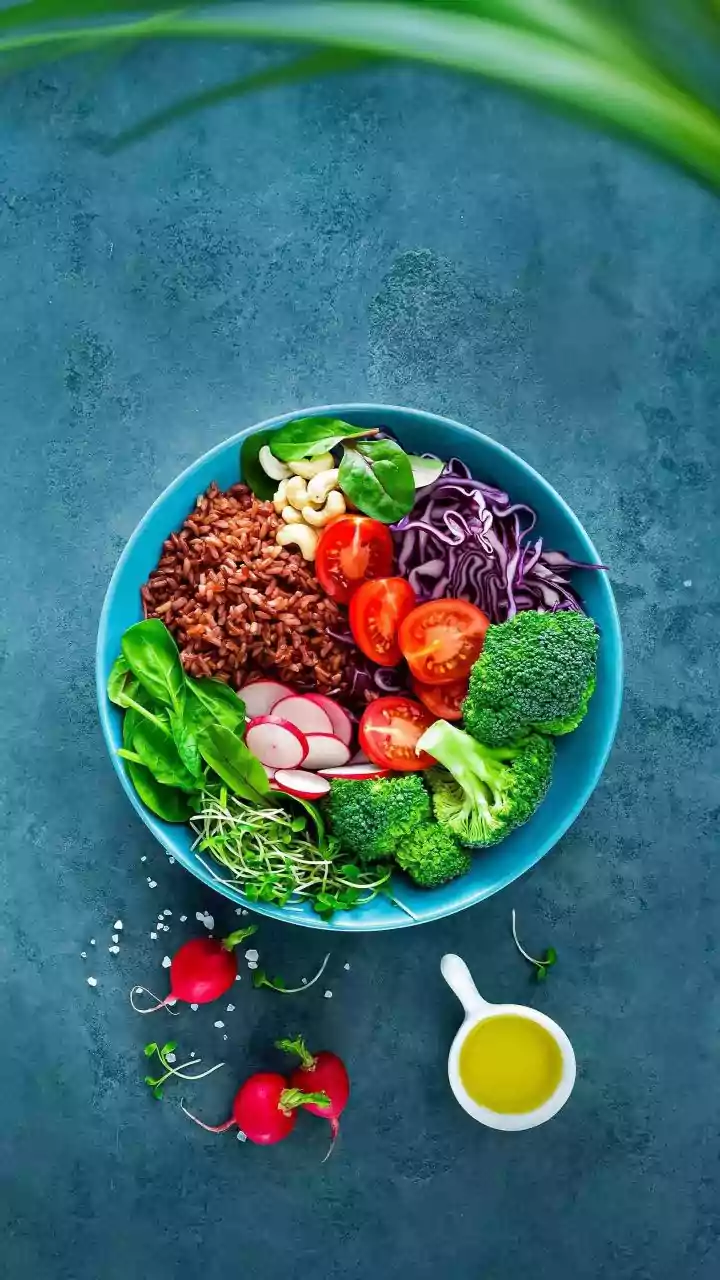
Establishing a daily intake of key nutrient-rich foods sets a strong foundation for a healthy pregnancy. Prioritize sources of protein like lean meats, poultry, fish (low-mercury options), eggs, and legumes, which are vital for your baby's growth and your own tissue repair. Incorporate plenty of whole grains such as oats, quinoa, and brown rice, providing sustained energy and essential fiber. Dairy products or fortified alternatives are crucial for calcium intake, supporting bone health for both you and your baby. Don't forget healthy fats from avocados, nuts, seeds, and olive oil, which are important for nutrient absorption and fetal development. Aim for a variety of colorful fruits and vegetables daily to ensure a broad spectrum of vitamins, minerals, and antioxidants. Hydration is non-negotiable, so make water your primary beverage.
Navigating Trimester Nutrition
Nutritional needs evolve throughout pregnancy, with each trimester presenting unique requirements. While the first trimester focuses on foundational nutrients and managing early symptoms, the second and third trimesters see an increased demand for calories and specific nutrients to support rapid fetal growth. In the second trimester, focus on increasing protein intake and ensuring adequate iron to prevent anemia. The third trimester requires even more calories and nutrients to fuel the final stages of fetal development and prepare for labor and delivery. A balanced diet rich in all food groups, with an emphasis on calcium and vitamin D for bone development, remains paramount. Adequate fiber intake is also crucial to manage constipation, a common concern in later pregnancy. Listening to your body and consulting with healthcare providers about specific dietary adjustments is always recommended.
Understanding Food Safety
Ensuring the safety of your food during pregnancy is as important as its nutritional content. Certain foods carry a higher risk of containing harmful bacteria or parasites that can affect your developing baby. It's essential to avoid unpasteurized dairy products, soft cheeses made from unpasteurized milk, and deli meats or hot dogs unless they are heated until steaming hot. Raw or undercooked meats, poultry, seafood, and eggs also pose a risk and should be avoided. Thoroughly wash all fruits and vegetables before consumption. Be mindful of fish consumption, opting for low-mercury varieties and limiting intake as recommended by health guidelines. While some fermented foods like kombucha are popular, pregnant individuals should consult with their healthcare provider regarding their safety and potential risks due to unpasteurized ingredients.