





Core Transformation Unveiled
Embarking on a daily plank regimen, even for just 15 days, can lead to significant enhancements in your midsection's resilience and appearance. This exercise
is highly effective because it simultaneously engages numerous muscle groups, particularly those deep within the core. Many individuals report experiencing a more toned abdominal area and an overall improvement in their posture within a fortnight. Understanding the physiological responses to this consistent effort is key to setting achievable targets and ensuring you avoid any potential strain or injury. The key lies in consistent practice and proper form, which allows the body to adapt and build strength progressively.
Muscles at Work
Planks excel at activating the often-dormant deep core muscles that typically remain underutilized during everyday activities. When these muscles contract effectively during a plank, they provide crucial support to the spinal column. This intrinsic support system helps to naturally draw the waistline inwards, leading to a more upright and improved posture. Committing to holding planks for durations of 2-3 minutes daily over a 15-day period fosters the development of early strength and stamina in the abdominal muscles, obliques, lower back, and gluteal muscles. This comprehensive muscle activation collectively contributes to a visually 'tightened' appearance, as the midsection loses its tendency to slouch or collapse inward, presenting a more firm and stable profile.
Fat Loss vs. Muscle Tone
It's a common question whether planks directly reduce belly fat. While planks are not a targeted fat-burning exercise for a specific area, they do contribute to increased overall calorie expenditure and, more importantly, strengthen the muscles responsible for shaping the core. The perception of a flatter stomach often arises from enhanced muscle engagement and superior posture, rather than significant fat reduction. Furthermore, cultivating stronger deep-core muscles can play a role in mitigating bloating. These strengthened muscles provide better support for the digestive system, which can prevent the stomach from distending outwards, thus contributing to a more streamlined appearance.
Avoiding Painful Planks
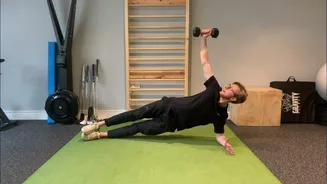
Maintaining correct form is paramount, far outweighing the sheer duration of your plank holds. Several common mistakes can lead to joint strain, including allowing the hips to drop too low, holding your breath, or rigidly locking the shoulders. A safe and effective plank position involves keeping the spine in a neutral, straight line, gently engaging the glutes, and ensuring the shoulders are directly aligned over the elbows. If holding a plank for a full three minutes feels excessively challenging, it's advisable to break the hold into three separate one-minute intervals. This approach is equally effective for building strength and endurance while significantly reducing the risk of discomfort or injury.
Starting Safely
Individuals who currently experience lower back stiffness, discomfort in their wrists, or a general sense of core weakness should adopt a cautious and gradual approach when commencing a daily plank routine. Beginning with modified planks, such as performing the exercise on your knees, or opting for shorter holding durations can help your body acclimate to the demands of the movement. This measured start prevents unnecessary pressure on sensitive areas and allows for a smoother transition into longer holds. Even a brief period of 15 days, when approached with the right technique and realistic expectations, can yield rewarding improvements in core strength and stability.