







The Fading Dates
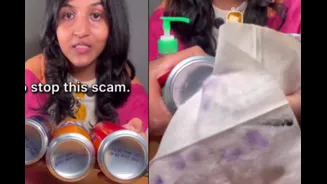
A compelling video has surfaced online, showcasing the disconcerting reality that expiry dates printed on widely consumed beverages can be effortlessly
removed. This revelation has ignited a wave of apprehension among consumers regarding the actual freshness and safety of the drinks they purchase. The ease with which these crucial date markings can be manipulated raises profound questions about the integrity of product labeling and the potential for deceptive practices. It prompts a closer look at consumer habits, as many individuals admit to occasionally overlooking these labels, inadvertently exposing themselves to risks such as digestive issues or even food poisoning. The incident, brought to light by a social media user, underscores a broader, growing concern about food safety violations that continue to surface despite ongoing efforts by regulatory bodies to curb them.
Methods of Evasion
The viral footage revealed a disturbingly simple technique for obliterating expiry dates on popular drinks like Coca-Cola, Fanta, and Red Bull. Astonishingly, common household items such as hand sanitizer and a simple tissue are sufficient to wipe away the printed dates. This accessible method has led to significant alarm, with individuals pointing out that if such crucial information can be so easily erased, then verifying the genuine freshness of beverages becomes a formidable challenge. The implications are far-reaching, potentially opening avenues for fraudulent activities and posing significant threats to public health. Concerns have been voiced that the ink used for these date markings might be of inferior quality, easily compromised by common solvents like nail polish remover or even deodorant, making them less reliable than expected and highlighting a significant loophole in current product labeling.
Calls for Reform
In response to the unsettling discovery, urgent calls are being made for substantial improvements to ensure product authenticity and consumer safety. One key suggestion involves the adoption of tamper-proof, permanent ink by beverage manufacturers, making the expiry dates inherently resistant to simple removal. Beyond material changes, there is a strong advocacy for government intervention through the implementation of stricter regulations designed to prevent such manipulative practices. Furthermore, a robust proposal gaining traction is the integration of unique QR codes on every product. These codes, when scanned, would ideally link to a secure database containing precise manufacturing and expiry information, offering consumers a straightforward and reliable method to verify the authenticity and freshness of their purchases. This multifaceted approach aims to restore consumer confidence and bolster the overall safety of packaged goods.
Consumer Reactions
The widespread sharing of the video has predictably triggered a massive reaction across social media platforms, amplifying concerns and fueling discussions about product integrity. Many users have rightly pointed out that deliberately altering or erasing batch codes constitutes a criminal offense, underscoring the seriousness of such acts. The revelation has prompted some consumers to take proactive measures, such as completely ceasing the purchase of beverages from brands where such vulnerabilities are evident, and actively encouraging others to do the same to avoid potential health risks, including serious diseases. The sentiment is clear: consumers are increasingly wary and demanding greater transparency and accountability from the industry and regulatory bodies. Questions have been raised about the feasibility of implementing advanced verification systems, such as QR codes, with users directly querying authorities like the Food Safety & Standard Authority of India about the challenges involved.