







Cellular Hydration Dynamics
The initial impact of salt water consumption primarily centers on cellular hydration. Salt water, being hypertonic compared to the body's cells, can initially
draw water out of the cells through osmosis, potentially leading to dehydration in the short term. Over time, the body attempts to reach equilibrium. The kidneys work harder to maintain fluid balance by either retaining or excreting water and electrolytes. This adaptation process affects the distribution of fluids within the body, influencing cell volume and function. Changes in cellular hydration can influence several physiological processes, including nutrient transport and waste removal. The body’s response depends on several factors, including the concentration of salt in the water, the individual's existing hydration state, and overall health. Initially, there can be a shift in fluid distribution, which impacts various cellular functions.
Electrolyte Balance Shifts
Consuming salt water significantly affects the balance of electrolytes in the body. Electrolytes, like sodium, chloride, potassium, and magnesium, play vital roles in nerve function, muscle contractions, and fluid balance. When salt water is ingested, there's an immediate increase in sodium and chloride levels in the bloodstream. The body responds by activating the kidneys to manage the excess electrolytes. The kidneys work to either excrete the extra sodium through urine or reabsorb it to maintain a stable balance. Changes in electrolyte levels can trigger different symptoms, such as headaches, fatigue, or muscle cramps, depending on how the body adjusts to the increase. These imbalances can also influence blood pressure, as sodium retention tends to increase blood volume. Electrolyte shifts can be particularly dangerous for individuals with kidney issues or pre-existing conditions that affect electrolyte regulation. Close monitoring is essential as the body adapts to the intake of salt water.
Digestive System Impacts
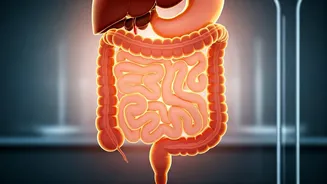
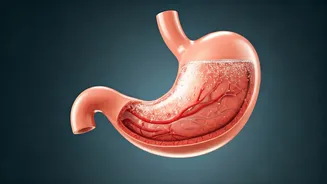
The digestive system experiences specific effects as a result of regular salt water consumption. Initially, the high salt content in the stomach can lead to irritation or discomfort. The presence of salt can alter the production of stomach acid, potentially affecting the digestion of food. Some people might experience nausea or bloating. The gut microbiome, which is the community of bacteria residing in the intestines, could also be impacted. The change in the internal environment may shift the balance of gut bacteria, which can influence nutrient absorption and gut health. Over time, the digestive system might adapt to this change, but the long-term effects of altering the gut environment are variable. The digestive system’s response is crucial, with individuals differing in sensitivity. It influences overall comfort and nutrient uptake, making it a critical aspect of understanding the effects of drinking salt water.
Potential Benefits Explored
While the risks associated with consuming salt water are significant, some potential benefits have been proposed. Proponents suggest that salt water can aid in detoxification by drawing out toxins from cells and flushing them through the kidneys. Others claim that it might improve digestion and alleviate constipation by attracting water into the intestines, thus softening the stool. Additionally, some believe that salt water consumption can enhance hydration by facilitating water absorption into cells. However, it’s important to acknowledge that the scientific evidence supporting these claims is limited, and these benefits are far from universally experienced or scientifically proven. Furthermore, any perceived benefits must be carefully weighed against the potential risks, and it is essential to consult with a healthcare professional before considering such practices.
Possible Risks Unveiled
The potential risks of consuming salt water on an empty stomach for two months are substantial and should not be overlooked. One major concern is the development of electrolyte imbalances, which can cause dehydration, nausea, and in severe cases, cardiac arrhythmias. The kidneys may have to work harder, which can lead to kidney damage. Drinking salt water can elevate blood pressure, putting stress on the cardiovascular system. Chronic ingestion may also lead to digestive issues, such as stomach irritation, ulcers, or changes in the gut microbiome. The effects vary from person to person, and individuals with pre-existing health conditions, especially those related to the kidneys, heart, or gastrointestinal tract, are at higher risk of adverse effects. It is critical to consider these risks before undertaking this practice.
Long-Term Health Implications
The long-term health implications of consuming salt water regularly are worth discussing. Continuous disruption of electrolyte balance can lead to persistent health problems and increase the risk of chronic conditions. The added strain on the kidneys could cause long-term damage or dysfunction. Additionally, prolonged high sodium intake is associated with an increased risk of hypertension and cardiovascular disease. The effects on the gut microbiome may lead to changes in immune function and increased susceptibility to digestive disorders. Overall, the continuous intake of salt water over an extended period could undermine overall health and well-being. These long-term consequences underscore the importance of understanding and considering the potential hazards involved.
Expert Recommendations
Healthcare professionals advise against regular consumption of salt water, emphasizing potential health risks. Experts stress the importance of maintaining proper hydration through balanced diets and regular water intake. They recommend consulting a doctor before making significant dietary changes, especially ones that could affect electrolyte balance or kidney function. Specialists often suggest that any potential benefits of salt water consumption are significantly outweighed by the risks. They stress the importance of evidence-based health practices and the dangers of relying on unproven remedies. The expert perspective provides a balanced view that prioritizes health and safety. It underlines the need for informed decision-making based on medical evidence.