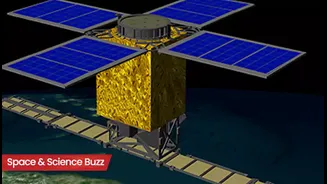







Orbital Anomaly Unfolds
SpaceX recently reported a significant concern: one of its Starlink satellites, launched in May 2025, experienced an unexpected 'anomaly' while in orbit
approximately 560 kilometers above Earth. This event, occurring on Sunday, resulted in the satellite losing contact with mission control and, more alarmingly, ejecting debris into space. The company has assured the public that this particular satellite poses no immediate threat to the International Space Station or other active space missions, and they are actively monitoring both the satellite and any trackable fragments. However, the nature of the anomaly has led to speculation about the satellite's structural integrity and the potential for further orbital contamination.
Debris Detection Confirmed
Independent tracking by LeoLabs, a company specializing in monitoring satellite constellations, has provided crucial data. Their radar network detected 'tens of objects' in the vicinity of the affected Starlink satellite shortly after the reported anomaly. LeoLabs has characterized the event as likely stemming from an 'internal energetic source,' which suggests it wasn't caused by a collision with existing space debris or another orbital object. This distinction is important, as it points towards a potential internal failure within the satellite itself. The formation of a distinct cluster of objects around the satellite, identified as satellite 34343, has been confirmed by LeoLabs' data, underscoring the reality of the ejected material.
Navigating Space Hazards
The presence of this newly created debris necessitates careful navigation for all entities operating in Earth's orbit, including SpaceX and other satellite operators. Future maneuvers will need to account for these additional objects to prevent potential collisions. Fortunately, LeoLabs has noted that due to the relatively low altitude of this particular event, the fragments are expected to de-orbit naturally and burn up in the atmosphere within a matter of weeks. SpaceX has stated its commitment to thoroughly investigating the root cause of this anomaly and implementing any necessary corrective measures swiftly to prevent recurrence. This incident adds to the growing concerns about orbital safety amidst an increasing number of satellites being launched.
A Pattern Emerges
This latest incident is not an isolated event. It bears a striking resemblance to a similar malfunction that occurred about four months prior with a different Starlink satellite, designated 35956. That satellite experienced a serious issue with its propulsion tank, causing it to tumble uncontrollably and release debris as it descended towards Earth. While the exact cause of that earlier malfunction remains unclear, images indicated the satellite largely remained intact before eventually burning up in the atmosphere. The repetition of such anomalies raises questions about the overall reliability and design of the Starlink constellation, especially as the company aims to expand its fleet significantly.
Safety and Expansion Concerns
SpaceX has consistently emphasized its dedication to space safety, highlighting features like the ability of all Starlink satellites to maneuver and disintegrate upon atmospheric re-entry. They are also developing a space traffic control system named Stargaze to provide data on orbital objects. Despite these assurances, the company faces growing scrutiny, particularly with its ambitious plans to launch up to a million more satellites for space-based data centers. This expansion proposal has drawn opposition from astronomers and environmentalists who are concerned about increased light pollution and the heightened risk to orbital safety posed by such a massive constellation.