






ADHD-Like Symptoms Emerge
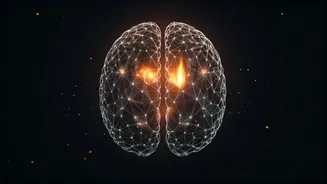
When you consistently cut back on sleep, your brain can start to exhibit behaviors that resemble attention deficit hyperactivity disorder (ADHD). This
isn't just about being tired; it means your ability to concentrate, maintain focus, and control impulses can be significantly compromised. Conditions like obstructive sleep apnea can exacerbate these issues, making it difficult for individuals to engage with tasks. Furthermore, those with naturally delayed internal body clocks might find themselves perpetually sleep-deprived if their work or study schedules demand early wake-ups, leading to a persistent accumulation of sleep debt that affects cognitive functions.
Uncontrollable Food Cravings
A poor night's sleep can trigger intense cravings for high-calorie, sugary, or fatty foods, and this urge is often rooted in hormonal imbalances rather than willpower. Sleep deprivation disrupts the delicate equilibrium of ghrelin, the hormone that stimulates hunger, and leptin, which signals satiety. This hormonal shift, coupled with the brain's reward pathways becoming more attuned to high-reward foods, explains those sudden desires for junk food. Chronically undersleeping can also increase the likelihood of developing obesity and diabetes due to its detrimental effects on stress hormones and metabolic processes, according to experts.
Heightened Emotional Reactivity
Experiencing amplified emotional responses after insufficient sleep, such as snapping at loved ones or finding yourself crying more easily, has a neurological basis. Research indicates that sleep deprivation can increase the responsiveness of the amygdala, the brain's primary emotional processing center, particularly to negative stimuli. Simultaneously, the brain regions responsible for regulating emotions may become less effective. This means that when you're not getting enough sleep, you're likely to be more emotionally volatile and mentally drained, struggling to maintain emotional equilibrium.
False Confessions Unfold
One of the most astonishing consequences of severe sleep deprivation is a significantly impaired ability to make sound judgments and resist pressure. Studies have revealed that individuals who are sleep-deprived are more than four times as likely to admit to actions they never committed. This suggests that extreme exhaustion can compromise decision-making faculties and make individuals more susceptible to yielding during demanding conversations or stressful situations, leading to unexpected and untrue admissions.
Morning Headaches Appear
Waking up with a persistent headache can sometimes be an indicator of underlying sleep issues, such as sleep apnea. This condition, characterized by repeated pauses in breathing during sleep, can lead to reduced oxygen levels in the brain and an accumulation of carbon dioxide. This physiological stress can trigger headaches upon waking. Sleep apnea is particularly concerning as it disrupts breathing, deprives the body of essential oxygen, and places significant strain on the heart muscle.
Nighttime Teeth Grinding
The habit of grinding one's teeth, known as bruxism, is often attributed to stress, but sleep experts point to disruptions in breathing during sleep as a common trigger for many grinding episodes. This involuntary clenching can also lead to jaw pain, which in turn can further degrade sleep quality, creating a challenging cycle of poor sleep and nighttime teeth grinding.
Frequent Bathroom Urgency
Needing to urinate multiple times during the night, a condition called nocturia, is frequently associated with aging or fluid intake. However, it can also be a symptom linked to sleep apnea. The repeated interruptions in breathing caused by sleep apnea can strain the heart, prompting hormonal changes that encourage the body to excrete more fluid. Therefore, persistent nighttime urination should not be disregarded as a potential sign of insufficient sleep or related conditions.
Twitching Eyes Persist
That bothersome eyelid flutter you might experience after a few nights of inadequate sleep could be your body's way of signaling a problem. Sleep deprivation can put a strain on your nervous system and the muscles around your eyes, making involuntary twitching more probable. Factors often accompanying poor sleep, such as stress and excessive caffeine consumption, can further exacerbate this symptom, making it a more noticeable indicator of underlying sleep debt.
Sensory Overload Increases
If you find that bright lights feel unusually harsh or everyday sounds seem irritatingly loud, poor sleep might be the culprit. An overtired brain can become hypersensitive to external stimuli, making it difficult to filter out common sensory inputs like light or background noise. This heightened reactivity occurs because an exhausted brain struggles to effectively manage stress and process information from the environment, leading to a feeling of being overwhelmed by ordinary surroundings.