






Fiber-Rich Foundation
Chia seeds might be minuscule, but they deliver a substantial amount of dietary fiber. A mere 1-ounce serving (approximately 2.5 tablespoons) provides
about 10 grams of fiber, which is roughly 36% of the daily recommended intake for most adults. When incorporated into a pudding with fruit, as suggested in a typical recipe, this can easily boost the fiber content to around 11 grams per serving. The majority of this fiber is soluble fiber, a type of fiber that transforms into a gel-like consistency within your digestive system. This gel formation plays a crucial role in slowing down the digestion process, leading to a prolonged sensation of fullness and aiding in regular bowel movements. Research indicates that this gel can delay gastric emptying, which further contributes to satiety. Moreover, chia seeds possess the remarkable ability to convert glucose into a slow-releasing carbohydrate, helping to sustain energy levels and keep you feeling satisfied for extended periods, potentially even more effectively than flax seeds due to their superior gelling properties.
Omega-3 Fatty Acid Boost
Beyond their impressive fiber content, chia seeds are a treasure trove of plant-based omega-3 fatty acids, vital for maintaining optimal heart, brain, and overall health. They are particularly abundant in alpha-linolenic acid (ALA), a precursor that the body can convert into other critical omega-3s, namely DHA and EPA, often associated with fatty fish. While the conversion rate from ALA to DHA and EPA isn't highly efficient, ongoing scientific understanding suggests that the body may intelligently convert what it needs, with a continuous turnover to support healthy levels. The benefits of ALA itself are significant, with studies linking higher ALA intake to reduced inflammation, improved cholesterol profiles, and a lower risk of heart disease. For individuals embracing plant-based or flexitarian diets, chia seeds offer a straightforward method to meet omega-3 requirements, with just 2 tablespoons providing about 5 grams of ALA, far exceeding the daily recommended intake for both men and women.
Effortless Meal Prep
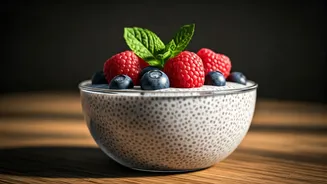
Chia seed pudding stands out as one of the most straightforward breakfast options available. Its preparation requires no cooking whatsoever; it simply involves stirring chia seeds into your preferred milk and allowing it to rest in the refrigerator. After a few hours or, ideally, overnight, the seeds absorb the liquid, creating a luxuriously creamy, pudding-like texture. This meal is exceptionally well-suited for advance preparation, as it can be stored in the refrigerator for up to three days. This makes it perfect for anyone looking to get a head start on their week by preparing several portions at once, ensuring a healthy and ready-to-eat breakfast is always on hand.
Infinite Customization
One of the most appealing aspects of chia seed pudding is its sheer versatility, allowing for endless personalization to suit your taste preferences. Starting with a basic recipe, the possibilities for flavor and topping combinations are virtually limitless. You can easily incorporate a variety of fresh fruits like sliced bananas, vibrant berries, or sweet peaches. Adding different types of nuts, such as crunchy almonds, flavorful pistachios, or hearty walnuts, provides delightful texture and additional nutrients. For an extra flavor dimension, consider stirring in a pinch of cinnamon or a spoonful of cocoa powder. Those seeking an extra protein boost can mix in a dollop of creamy peanut butter. This adaptability means you can enjoy a different variation of chia pudding every day, keeping your breakfast routine exciting and satisfying.
Boost Fiber Daily
While chia pudding is an excellent way to kickstart your day with a significant fiber intake, it's crucial to maintain a focus on fiber throughout all your meals and snacks. The daily fiber recommendation typically ranges from 25 to 38 grams, depending on age and gender. Making small, consistent additions to your diet can lead to substantial improvements in digestion, blood sugar regulation, and overall satiety. Incorporating seeds like chia, flax, or hemp into smoothies, salads, and yogurt can add several grams of fiber along with healthy fats and protein. Opting for whole grains over refined options, such as choosing quinoa, farro, brown rice, or whole-grain bread, also significantly increases fiber intake. Filling half your plate with fruits and vegetables, particularly those with edible skins, is another effective strategy. Finally, embracing legumes like lentils, beans, and chickpeas provides a dual benefit of high fiber and plant-based protein, making them a versatile addition to soups, stews, and salads.