






Understanding Anxious Overdrive
Anxiety often feels like a brain stuck in high alert, perpetually searching for potential dangers, endlessly replaying scenarios, and manifesting physically
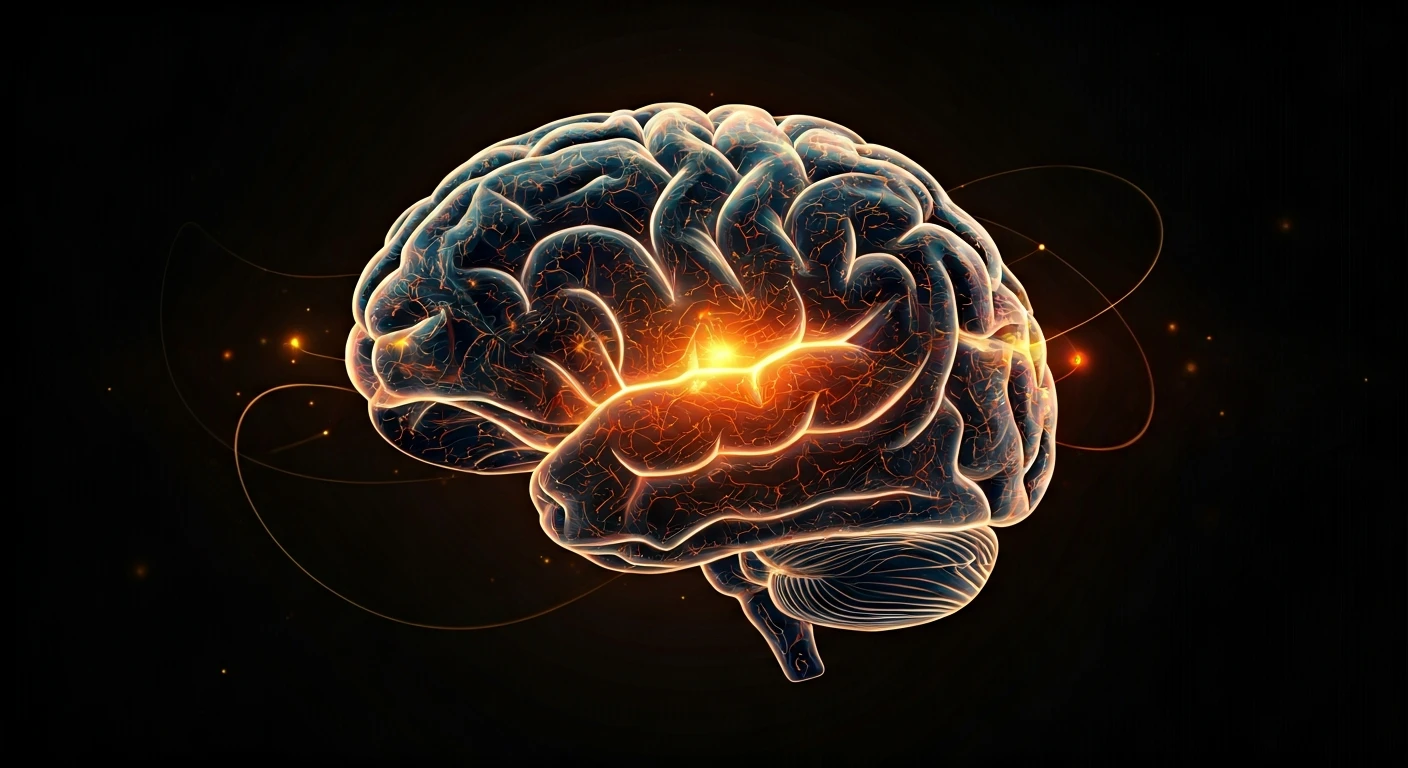
as a rapid heartbeat or restless fidgeting. Neurologists explain that anxiety isn't merely a psychological state but is deeply connected to the intricate functioning of the brain's fear and stress pathways, particularly involving critical areas like the amygdala and the prefrontal cortex. Anxiety itself is characterized by apprehension, dread, or unease concerning future possibilities. While mild forms, such as pre-exam jitters, are normal, persistent and intense anxiety can significantly disrupt daily functioning. Common accompanying physical sensations include a racing pulse, trembling, profuse sweating, and difficulty concentrating. When these feelings don't subside naturally, they can indicate an underlying anxiety disorder.
Breathing for Serenity
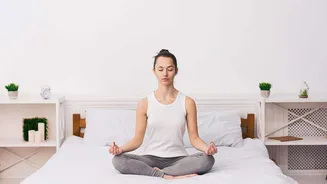
One of the most potent techniques for pacifying an overactive, anxious mind involves deliberate breathing. Engaging in slow, deep breaths, especially utilizing methods like the 4-7-8 breathing exercise, can effectively signal the nervous system to transition from a heightened stress state to one of profound relaxation. This conscious breathing directly counteracts the body's innate 'fight-or-flight' reflex, helping to dial down the physiological alarm bells. By intentionally controlling the breath, individuals can influence their autonomic nervous system, fostering a sense of calm and reducing the intensity of anxious physical and mental responses. This practice offers an immediate and accessible tool for managing acute feelings of anxiety, providing a much-needed pause from the whirlwind of worry.
Grounding and Movement
Another highly effective strategy for managing anxiety is grounding oneself in the present moment. Simple exercises that involve consciously focusing on your sensory experiences – what you can see, hear, smell, taste, and touch – can powerfully redirect the brain away from intrusive, spiraling thoughts and anchor it in the here and now. Complementing this, regular physical activity emerges as a crucial component in building resilience against anxiety. Engaging in exercise triggers the release of endorphins, natural mood boosters, and plays a vital role in regulating stress hormones. This dual action makes the brain more robust and less susceptible to triggers that would normally provoke anxious reactions, creating a more stable emotional baseline over time.
Sleep and Lifestyle Adjustments
The significance of sleep in managing anxiety cannot be overstated; inadequate rest profoundly disrupts emotional regulation, exacerbating anxious feelings. Establishing and adhering to a consistent sleep schedule, coupled with minimizing exposure to screens before bedtime, can substantially enhance cognitive function and emotional balance. Neurologists also strongly advocate for moderating stimulant intake, particularly caffeine, which has a known tendency to amplify feelings of nervousness. Conversely, cultivating structured routines provides a crucial sense of predictability and control, which can be incredibly calming for an anxious mind. For persistent struggles, professional interventions like Cognitive Behavioral Therapy (CBT) or, in specific instances, medical treatments might be recommended to address the root causes of anxiety.
Consistency is Key
Ultimately, the journey to a calmer anxious brain hinges on sustained, consistent effort. Incorporating small, manageable daily habits—such as mindful breathing exercises, regular physical movement, prioritizing restorative sleep, and consciously reducing screen time—can gradually retrain the brain's default responses. This consistent practice helps to foster a more serene and balanced state, empowering individuals to regain a stronger sense of equilibrium and control over their mental well-being. Over time, these deliberate actions build neural pathways that favor calm, making the brain less reactive to stressors and more adept at managing anxious thoughts and feelings.