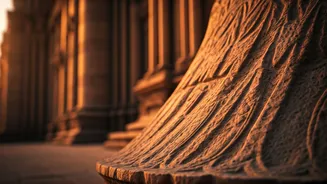

Taj Mahal's Shadow
The Taj Mahal in India is undeniably a globally recognized symbol of love. Yet, the world is adorned with other remarkable monuments dedicated to affection.
Each structure narrates a unique tale of romance, loss, and devotion, showcasing architectural brilliance. These structures, built across continents and cultures, were created to immortalize love stories. This article will shine a light on these amazing testaments of love, highlighting their unique stories and architectural features, beyond the Taj Mahal's widely-known beauty. Prepare to be transported to different eras and locations, encountering stories that transcend time and borders.
Bibi Ka Maqbara, India
In India, Bibi Ka Maqbara stands as a moving tribute to love. This mausoleum, often called the 'Taj of the Deccan,' mirrors the Taj Mahal in its design and purpose. Built by Mughal emperor Aurangzeb in memory of his wife, Dilras Banu Begum, it demonstrates his profound love and grief. The mausoleum, while not as grand as the Taj Mahal, still showcases impressive Mughal architecture, with intricate carvings and elegant symmetry. This structure offers a glimpse into the depth of a ruler's emotions and his dedication to honor his beloved. The Bibi Ka Maqbara's enduring presence emphasizes the emotional connection between its creator and the person it commemorates, serving as a reminder of an enduring love story.
Humayun's Tomb, India
Humayun's Tomb provides another beautiful example of love expressed through architecture in India. Commissioned by Humayun's widow, Empress Bega Begum, in the 16th century, it honors the Mughal emperor. This tomb, a precursor to the Taj Mahal, establishes an impressive template for Mughal architecture with its symmetrical design and use of red sandstone. The structure holds historical significance and artistic merit, reflecting the enduring connection between a wife and her husband. This monument not only memorializes Humayun but also symbolizes the love and respect the empress had for him. Humayun's Tomb signifies a turning point in Mughal architecture, showcasing how a deep love can inspire lasting works of art and design.
Petra’s Royal Tombs, Jordan
Petra, in Jordan, showcases monumental tombs that may also have been created as tributes to loved ones. The Royal Tombs, carved into sandstone cliffs, are magnificent displays of architectural skill. While the specific love stories behind these tombs might not be fully documented, the sheer scale and craftsmanship imply profound respect. The intricate carvings and grand facades indicate the rulers' wish to secure a lasting legacy. Petra's Royal Tombs stand out because of their grand scale and the historical importance that they have. The location of these tombs gives a sense of security and beauty, reflecting a deep respect and admiration for the individuals they memorialize. These tombs serve as a testament to the enduring human desire to leave an impact on the world.
Mausoleum of Halicarnassus, Turkey
The Mausoleum of Halicarnassus in Turkey, one of the Seven Wonders of the Ancient World, was built for Mausolus, a satrap in the Persian Empire, and his wife and sister, Artemisia II of Caria. This grand tomb demonstrated Artemisia's love and devotion for her husband. The mausoleum, famous for its elaborate sculptures and towering structure, was a testament to their deep connection. Although the monument is now in ruins, its impact on architecture and its symbolism of love are still very apparent. The Mausoleum showcases the extent of emotional bonds, turning them into a symbol of artistic achievement and an expression of everlasting devotion, thus leaving a lasting impression on history.
Mausoleum of Hadrian, Italy
In Italy, the Mausoleum of Hadrian, today known as the Castel Sant'Angelo, illustrates imperial love and remembrance. Emperor Hadrian built this massive circular structure to be his mausoleum and the final resting place for his family. The mausoleum's imposing presence and intricate design show his desire to create a lasting legacy for those he cherished. The location, next to the Tiber River, enhances its significance and artistic beauty. Over time, the structure transitioned into a fortress and a papal residence, maintaining its importance as a symbol of Roman imperial grandeur and the enduring love of its builder. Hadrian's Mausoleum stands as a testament to the historical impact of familial love and its ability to inspire great architectural feats.
Mirabell Palace, Austria
Mirabell Palace in Austria offers a beautiful expression of love, commissioned by Prince-Archbishop Wolf Dietrich Raitenau for his beloved Salome Alt. The palace and its stunning gardens were a sign of the prince's deep affection and his desire to provide her with a beautiful home. The palace's baroque architecture and formal gardens display a love for aesthetics and the joy of shared living. Mirabell Palace has become a symbol of the affection and devotion that motivated its creation. The beautiful details of the palace, along with the scenic gardens, still evoke feelings of peace and romanticism, connecting visitors with the love story behind the building.
Kellie’s Castle, Malaysia
Kellie's Castle in Malaysia stands as a haunting symbol of love and loss. Built by Scottish planter William Kellie-Smith, the castle was planned as a grand residence for his wife, Agnes. The construction was abruptly halted because of Kellie's death. This uncompleted structure evokes a sense of romance and sadness, highlighting the incompleteness of the love story. The castle, with its unique architectural features and the unresolved narrative surrounding it, tells of a time and a love that was interrupted. Kellie's Castle represents the passion and commitment that were stopped too soon, leaving a lasting impression on all who visit.