






Understanding Period Cramps
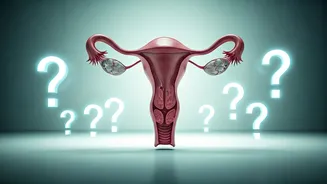
Menstrual cramps, scientifically termed dysmenorrhea, are a common experience for many women. They typically result from the uterine muscles contracting
to shed the uterine lining. These contractions can compress blood vessels, leading to a reduced oxygen supply to the uterine tissues. This lack of oxygen triggers the release of chemicals that cause pain. The intensity of these cramps can vary greatly, ranging from mild discomfort to severe pain that interferes with daily activities. Factors like the production of prostaglandins, hormones that cause the uterus to contract, can influence the severity of cramps. Other factors that contribute to the severity include age, with younger women often experiencing more intense cramps, and underlying conditions like endometriosis or fibroids. Recognizing the underlying cause helps in understanding possible relief measures.
How Muscle Stimulators Help
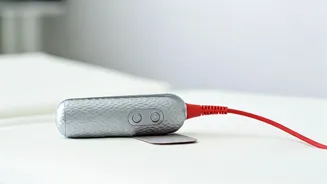
Muscle stimulators, also known as transcutaneous electrical nerve stimulation (TENS) units, provide pain relief using electrical impulses. These devices work by sending low-voltage electrical currents through electrodes placed on the skin. The electrical stimulation interferes with pain signals, blocking them from reaching the brain, thus reducing the sensation of pain. Additionally, TENS units can stimulate the body to release endorphins, the body's natural painkillers, which further alleviate discomfort. For period cramps, electrodes are typically placed on the lower abdomen or lower back. The electrical impulses from the stimulator cause muscle contractions, which can disrupt the pain pathways and provide relief. The intensity and frequency of the electrical pulses are adjustable, allowing users to customize the treatment based on their comfort level and pain intensity. Muscle stimulators are generally considered safe, with minimal side effects when used as directed.
Choosing the Right Device
Several factors should be considered when selecting a muscle stimulator for period cramps. Look for devices specifically designed for pain relief or those marketed for menstrual pain. Features like adjustable intensity settings are essential, allowing you to control the level of stimulation according to your comfort. Devices with pre-set programs for menstrual pain can be particularly convenient, offering optimized settings for cramp relief. The size and portability of the device are also important, allowing you to use it at home or on the go. Battery life is another key consideration; longer battery life ensures continuous use without frequent recharging or battery replacements. Read user reviews and compare different models to understand their effectiveness and ease of use. Consult with your healthcare provider to discuss the suitability of a muscle stimulator and get personalized recommendations based on your needs and medical history. Ensure the device has the necessary certifications and safety features.
Using the Stimulator Correctly
Proper use of a muscle stimulator is crucial to ensure effectiveness and safety. Always read the manufacturer's instructions before using the device. Place the electrodes on clean, dry skin on the lower abdomen or lower back, targeting the areas of pain. Follow the recommended placement guidelines provided with the device; incorrect placement can reduce its effectiveness. Start with the lowest intensity setting and gradually increase it until you feel a comfortable level of tingling or muscle contractions. Avoid increasing the intensity to a level that causes discomfort or pain. Most devices recommend using the stimulator for a set period, such as 20-30 minutes, or as directed by your healthcare provider. Do not use the stimulator over broken skin, open wounds, or near the eyes or neck. If you experience any skin irritation, discontinue use and consult a healthcare professional. Regularly clean and maintain the electrodes to ensure their proper function and longevity.
Combining with Other Methods
Muscle stimulators can be effectively combined with other methods to manage period cramps for enhanced relief. Consider using them alongside over-the-counter pain relievers such as ibuprofen or naproxen. While the stimulator works by blocking pain signals and stimulating endorphin release, pain relievers target the inflammatory processes that contribute to the cramps. Applying heat, such as a heating pad or a warm bath, can relax the uterine muscles and increase blood flow, further easing pain. Gentle exercise, like walking or yoga, can also help by releasing endorphins and reducing stress. Maintaining a healthy lifestyle, including a balanced diet and regular exercise, can generally improve menstrual health and reduce the severity of cramps. Always consult your healthcare provider before combining different pain relief methods to ensure they are safe and appropriate for your individual needs. Be aware of any potential interactions or contraindications.