





Idli: South Indian Delight
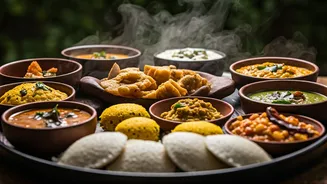
Idli, a beloved South Indian staple, is a steamed rice cake known for its light and fluffy texture. Made from a fermented batter of rice and urad dal (black
lentils), this dish is naturally gluten-free and easily digestible. The fermentation process not only contributes to the characteristic tang but also enhances the bioavailability of nutrients. To prepare idli, the batter is poured into idli molds and steamed until it becomes soft and spongy. Typically served with sambar (a lentil-based vegetable stew) and coconut chutney, idli offers a complete and balanced breakfast, providing carbohydrates, protein, and fiber. Its versatility allows for variations, with the addition of vegetables or spices to the batter, making it a customizable and nutritious choice for breakfast. The simplicity of idli makes it a quick and easy option for busy mornings, offering a taste of South Indian culinary heritage.
Dhokla: Gujarati Special
Originating from Gujarat, Dhokla is a steamed savory cake made from fermented batter. This batter usually consists of rice, chana dal (split chickpeas), and a blend of spices. The fermentation process gives dhokla its unique, slightly tangy flavor and light, airy texture. The preparation involves steaming the batter until it solidifies and then tempering it with mustard seeds, curry leaves, and sometimes green chilies for added flavor. Dhokla is often served with green chutney and a sprinkle of coriander leaves, making it a flavorful and satisfying breakfast option. This dish is not only delicious but also relatively low in calories and fat, making it a healthier alternative. Different varieties of dhokla, such as khatta dhokla (sour dhokla) and rava dhokla (made with semolina), offer diverse tastes and textures. Dhokla's ability to be customized with spices and toppings caters to various preferences, making it a versatile choice for breakfast and a testament to Gujarati culinary ingenuity.
Modak: Maharashtrian Treat
Modak, a sweet dumpling, holds a special place in Maharashtrian cuisine, especially during the festival of Ganesh Chaturthi. Traditionally, modaks are made from rice flour dough and filled with a mixture of grated coconut and jaggery. The dough is shaped into a distinctive conical form and then steamed until cooked through. These dumplings can also be made by frying them. The process of steaming results in a soft, delicate texture, while the filling provides a rich, sweet, and aromatic flavor. Modaks are not only a treat for the taste buds but also hold religious significance, often offered to Lord Ganesha. While the traditional version is a beloved classic, modern variations of modak include chocolate, dry fruits, and different fillings, catering to contemporary tastes. The steamed version is a healthier choice, making it a delicious and mindful option for breakfast or as a festive treat.
Puttu: Kerala's Pride
Puttu, a steamed cylindrical cake, is a popular breakfast dish from Kerala. Traditionally made with rice flour and grated coconut, puttu is steamed in a puttu kutti (a special steamer). The process involves layering the rice flour and coconut in the steamer, allowing the steam to cook the mixture into a soft, textured cake. This dish is usually served with kadala curry (black chickpea curry) or sweetened with banana and grated coconut. The combination of rice flour and coconut provides carbohydrates, fiber, and healthy fats, making it a nourishing breakfast option. Puttu's simplicity and distinct flavor profile make it a beloved dish across Kerala and a staple in many households. The variations in puttu include adding different types of flour, such as wheat or ragi, and experimenting with various accompaniments to enhance its versatility.
Khaman: Another Gujarati
Another Gujarati specialty, Khaman is a savory steamed snack often enjoyed for breakfast. Made from chana dal (split chickpeas) batter, the process involves fermenting the batter, adding spices, and steaming it until it becomes fluffy and porous. The finished product is then tempered with mustard seeds, green chilies, and a squeeze of lemon juice, adding a burst of flavor. Khaman differs from dhokla in its ingredients and texture, typically being softer and more airy. Often served with chutney and sev (crispy gram flour noodles), khaman is a light and satisfying breakfast option. The use of chana dal provides protein and fiber, making it a nutritious choice. The ease of preparation and its customizable nature makes khaman a versatile dish for any meal. Its popularity extends beyond Gujarat, with people across India enjoying this delicious, steamed treat.
Idiyappam: String Hoppers
Idiyappam, also known as string hoppers, is a breakfast staple in South India and Sri Lanka. Made from rice flour, these delicate, noodle-like strands are created by pressing the rice flour dough through a sevai maker or idiyappam maker. The strands are then steamed, resulting in a soft and fluffy dish that is easily digestible. Idiyappam is usually served with stew, curry, or coconut milk, providing a range of flavors and textures. This dish is low in fat and a good source of carbohydrates, making it a balanced breakfast option. Its versatility allows for a variety of accompaniments, catering to different taste preferences. The light and airy texture of idiyappam makes it a pleasant and filling breakfast choice, representing the culinary diversity of South India.
Uttapam: Savory Pancakes
Uttapam, often referred to as a savory pancake, is a South Indian breakfast dish made from a fermented batter of rice and urad dal (black lentils). The batter is poured onto a hot griddle and topped with various ingredients like onions, tomatoes, chilies, and coriander leaves. The thick pancake is then cooked until golden brown and slightly crispy. Uttapam is a versatile dish, allowing for a range of toppings to suit individual tastes. The fermentation process enhances the nutritional value and digestibility of the ingredients. Often served with sambar and chutney, uttapam provides a complete meal with carbohydrates, protein, and vitamins. Its customizable nature and ease of preparation make it a popular and adaptable breakfast option, loved across South India and beyond.
Bati Chokha: Bihari Dish
Originating from Bihar, Bati Chokha is a hearty and flavorful breakfast combination that highlights simple, wholesome ingredients. Bati consists of baked wheat flour balls, which are often dipped in ghee. Chokha is a mashed preparation, usually made from roasted vegetables like eggplant, tomatoes, and potatoes, seasoned with spices. This dish provides a rich source of carbohydrates, fiber, and essential nutrients. The preparation involves baking the batis over an open fire, which gives them a unique smoky flavor. The chokha adds a medley of flavors and textures, making it a satisfying and complete meal. Bati Chokha is more than just a dish; it's a representation of Bihari culture, emphasizing the importance of simplicity, community, and the enjoyment of natural flavors.
Poha: Flattened Rice
Poha is a popular breakfast dish made from flattened rice, widely enjoyed across India, particularly in Maharashtra and Madhya Pradesh. The flattened rice is softened with water and then tempered with mustard seeds, onions, curry leaves, and spices. Often, it includes peanuts and coriander leaves for added texture and flavor. Poha is a quick and easy-to-prepare breakfast option, offering a balance of carbohydrates and healthy fats. Its versatility allows for adding vegetables, such as potatoes and peas, further enhancing its nutritional value. The dish's light and fluffy texture, combined with the savory flavors, makes it a pleasant and filling morning meal. Poha is a staple in many Indian households and a testament to the country's culinary diversity, with slight variations in preparation and ingredients across different regions.
Palak Vada: Spinach Delight
Palak Vada, a savory steamed fritter, provides a nutritious and flavorful breakfast alternative. These vadas are typically made from a batter that includes spinach, spices, and gram flour. The mixture is then steamed until firm. Palak Vada offers a healthy dose of vitamins, minerals, and fiber due to the spinach content. The steaming process makes it a healthier option compared to deep-fried vadas. Served with chutney or a dipping sauce, Palak Vada is a delicious and fulfilling way to start your day. It combines the goodness of spinach with aromatic spices and provides a satisfying texture. The dish's adaptability allows for variations in spices and vegetables, making it a customizable breakfast choice that is both nutritious and delightful, catering to diverse taste preferences.