




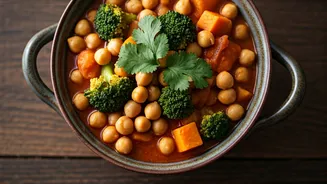

Hearty Roots of Ribollita
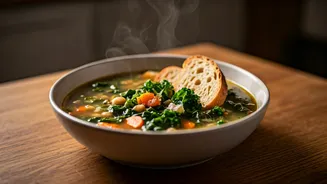
Ribollita, a cherished Italian peasant dish, traditionally embodies resourcefulness and patience. Its name, meaning "reboiled," hints at its two-day preparation:
a hearty vegetable and bean stew cooked one day, then combined with stale bread and reheated the next. This process allowed the bread to fully absorb the savory broth, creating a uniquely rich and tender texture. While the original method speaks to a time when preserving food was paramount, modern kitchens often call for quicker culinary solutions. This adapted recipe honors the soul of the classic, infusing it with robust vegetables, protein-rich beans, and aromatic herbs, all while fitting into a contemporary schedule that prioritizes deliciousness without the lengthy wait.
Smart Kitchen Shortcuts
This streamlined Ribollita recipe cleverly replicates the essence of the traditional dish through smart, time-saving techniques. By toasting bread slices in the oven, we achieve a texture akin to stale bread that effectively soaks up the flavorful broth without becoming overly mushy. Simultaneously, thoroughly sautéing the mirepoix—onions, carrots, and celery—along with garlic builds a profound depth of savory flavor, forming a robust base for the soup. Incorporating the bread towards the end of cooking ensures it softens and melds with the soup's essence while retaining some delightful structural integrity. A final brief baking period unifies the ingredients, creating a cohesive and deeply comforting texture that feels intentionally crafted, not accidental.
Essential Ingredients Explained
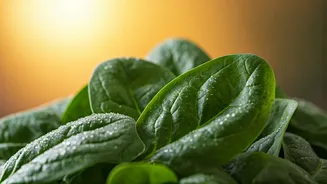
The foundation of this vibrant soup relies on carefully selected ingredients. A sturdy, crusty bread, such as sourdough or a baguette, is crucial for its ability to absorb liquid without disintegrating; oven-drying it before use is key. High-quality olive oil adds richness, especially when drizzled before the final bake and serving. Creamy cannellini beans are the traditional choice, contributing to the soup's natural thickness and hearty character. A generous amount of vegetable broth (8 cups) is necessary, as the bread will absorb a significant portion. For the greens, lacinato kale, also known as dinosaur kale, is a readily available substitute for the authentic cavolo nero (black cabbage); feel free to use other hearty greens like Swiss chard or even spinach.
Simplified Cooking Steps
Preparing this delightful Ribollita is straightforward. Begin by preheating your oven to 400°F (200°C) and toasting 8 ounces of sliced crusty bread on a baking sheet for about 15-20 minutes, flipping halfway through, until dry. While the bread dries, heat 2 tablespoons of olive oil in a large pot or Dutch oven over medium-high heat. Sauté a diced onion, 1 cup diced carrots, 1 cup sliced celery, and 4 minced cloves of garlic with a pinch of salt until tender, approximately 10-12 minutes. Next, introduce 8 cups of vegetable broth, 15 ounces of rinsed cannellini beans, 4 ounces of cauliflower florets, 8 ounces of diced potato, 8 ounces of chopped zucchini, 1/4 cup of mixed fresh herbs, 1 teaspoon of salt, and 1/2 teaspoon of pepper. Bring this mixture to a boil, then reduce heat, cover, and simmer for 15-20 minutes until the potatoes are tender. Stir in 2 cups of chopped kale and remove from heat, adjusting seasoning with additional salt and pepper as desired. Finally, arrange the toasted bread slices over the soup, pressing them gently to submerge, and drizzle with more olive oil. Bake at 425°F (220°C) for 10-15 minutes until the soup is bubbling and the bread is heated through. Garnish with Parmesan cheese before serving.
Tips and Variations
This recipe yields approximately 12 cups of soup, serving about 6 people with 2-cup portions. The seemingly large quantity of broth is essential for achieving the characteristic bread absorption. Feel free to experiment with various fresh herbs like rosemary, sage, thyme, and parsley, using whatever is on hand. For a more substantial meal, consider adding extra beans or another root vegetable, such as parsnips. While Parmesan cheese adds a delightful richness to the finished dish, the soup remains incredibly flavorful and satisfying even without it, making it a versatile option for various dietary preferences.