






Hidden Dangers Within
The allure of vibrant, long-lasting nail polish often overshadows the reality of its chemical composition. Traditional formulations frequently contain
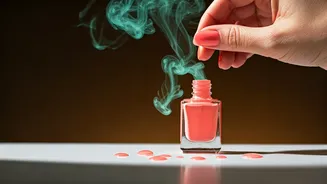
a cocktail of substances known to pose health risks, with formaldehyde being a primary concern. This chemical, classified as a Group 1 carcinogen by the World Health Organization, is a potent ingredient in many nail paints. Beyond formaldehyde, other common culprits include DBP (dibutyl phthalate) and toluene, chemicals that contribute to both the polish's texture and durability but also its potential to harm. While occasional users might face a lower risk, the cumulative, daily exposure experienced by salon professionals presents a significantly elevated concern. These individuals regularly inhale a concentrated mix of these volatile compounds, which has been linked to an increased incidence of conditions like nasopharyngeal cancer. Therefore, the frequency and duration of exposure are critical factors in determining the overall health impact of nail polish usage.
The UV Lamp Question
The quest for perfectly dry, chip-free nails often leads to the use of UV lamps, a common fixture in nail salons and home kits. While these devices expedite the drying process, emerging research suggests a potential link between their use and an increased risk of skin cancer. The ultraviolet (UV) radiation emitted by these lamps has the capacity to damage skin cells and mutate DNA, which is a foundational mechanism for cancer development. Although studies have demonstrated this effect in controlled laboratory settings, conclusive evidence regarding the direct impact on human health is still under investigation. The ongoing nature of this research means that while the concern is valid, more extensive human trials are needed to fully understand the long-term consequences of regular UV lamp exposure for nail curing.
Safer Polish Choices
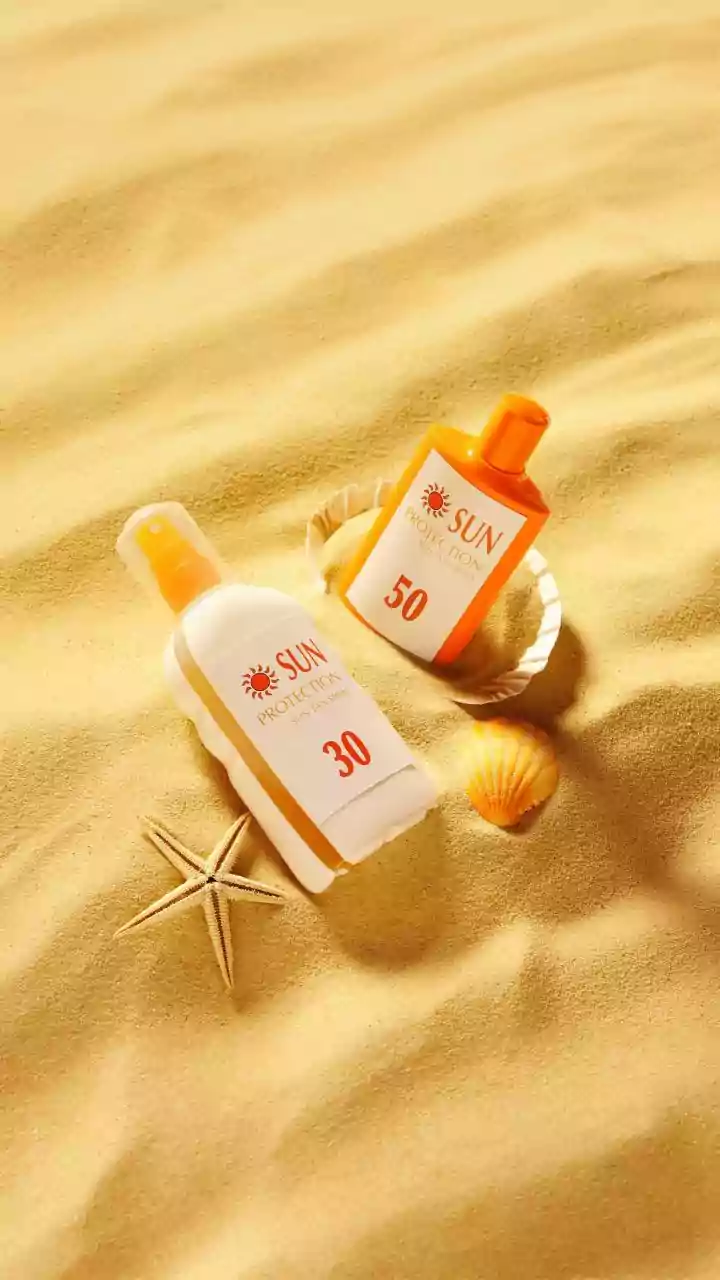
Navigating the world of nail polish doesn't have to mean compromising your well-being. A simple yet effective strategy is to actively seek out polishes that are explicitly formulated without the most concerning chemicals. Look for labels such as '5-free,' '10-free,' or even '13-free.' These designations indicate that specific harmful ingredients, including formaldehyde, toluene, DBP, camphor, and TPO (triphenyl phosphate), have been deliberately omitted from the product. By carefully examining the ingredient list before purchasing, consumers can make informed decisions. For those who opt to use UV lamps for drying, applying a broad-spectrum sunscreen to your hands beforehand can act as a protective barrier against potential DNA damage caused by UV rays. Additionally, engaging with your nail technician about the products they use can empower you to ensure a safer salon experience.
Evolving Trends in Beauty
The beauty landscape is in constant flux, and the popularity of elaborate nail art and frequent salon visits is giving way to a different aesthetic. In recent years, the trend has shifted towards a more understated elegance, with 'bare' or 'naked' nails gaining significant traction. This minimalist approach emphasizes impeccably groomed, unpolished, or sheer-glossed nails as a symbol of sophisticated simplicity and 'quiet luxury.' Both celebrities and influential fashion figures are increasingly embracing this low-maintenance trend, opting for natural-looking manicures over the time-consuming and often expensive appointments previously associated with elaborate nail designs. This shift reflects a broader cultural move towards appreciating natural beauty and a less is more philosophy in personal style.