






Rethink Workout Time
Many believe a good workout demands at least an hour, a notion that acts as a significant mental hurdle for busy individuals. This common misconception
leads many to forgo exercise altogether, thinking they simply lack the time. However, fitness expert Spoorthi S from Cult challenges this idea, emphasizing that consistency in short movements throughout the day offers substantial benefits. These brief periods of activity enhance blood circulation, maintain physical mobility, keep your metabolism humming, and gradually build strength over time. The core message is that any amount of movement is superior to none. This perspective shift makes fitness more attainable, particularly for those juggling demanding schedules, by promoting the idea that fitness is less about the duration of a single session and more about consistent engagement with physical activity in manageable segments.
Smart Habit Stacking
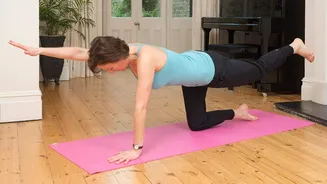
Integrating exercise doesn't require overhauling your entire routine. Spoorthi S suggests a powerful technique called habit stacking, which involves linking a new movement-based habit to an existing daily activity. For instance, you can incorporate mobility exercises while watching television, take a brief stroll immediately after brushing your teeth, or even walk while participating in phone calls. When these small actions are performed consistently, they accumulate to significantly reduce prolonged periods of inactivity. The expert breaks down fitness into actionable, quick steps: think of performing five-minute stretches, completing ten push-ups each time you enter a room, taking two short walks after meals, or making a conscious choice to always use the stairs. This approach transforms exercise from a daunting task into a series of manageable, integrated parts of your day.
Effortless Movement Hacks
For those with particularly demanding schedules, adopting a few simple hacks can make staying active remarkably easier. One effective strategy is to set a personal minimum movement goal, which could be a target number of steps, a specific duration of timed activity, or a commitment to a daily walk. This creates accountability and fosters consistency. Another crucial element is to maximize NEAT, or Non-Exercise Activity Thermogenesis. This involves increasing your general daily movement through activities like walking while using your phone, performing household chores with more vigor, or deliberately parking a little further from your destination. These seemingly minor adjustments can have a surprisingly substantial impact on your overall calorie expenditure. Lastly, having a pre-defined set of quick workouts, such as desk stretches, short exercises to perform between meetings, or a brief pre-bedtime stretching routine, ensures you can fit small bursts of beneficial movement throughout your day, making fitness a sustainable part of your busy life.