






Devastating Loss
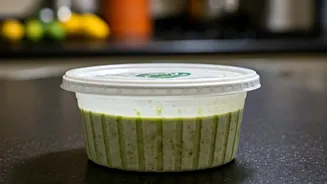
In a deeply sorrowful event that has sent shockwaves through Ahmedabad, two young sisters lost their lives following the consumption of dosa made from
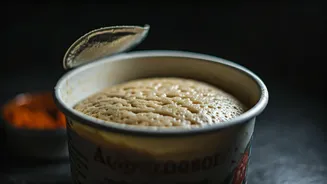
ready-to-use batter purchased from a local market. The family experienced severe vomiting after their meal, leading to a rapid decline in the children's health. Tragically, the 3-month-old infant succumbed to the illness first, followed by her 4-year-old sibling. Their parents were admitted to the hospital in critical condition. Authorities have since collected samples of the batter from the vendor for thorough forensic analysis, hoping to understand the exact cause of this devastating suspected food poisoning incident.
Understanding Khiru
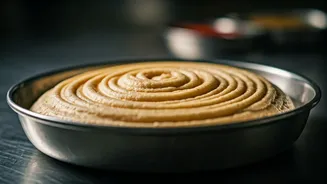
Khiru is a foundational element in Gujarati culinary traditions, serving as the fermented batter for popular South Indian dishes like dosa, idli, and uttapam, as well as the Gujarati specialty, handvo. Its preparation traditionally involves a meticulous blend of rice and skinless urad dal, which is then left to ferment for approximately 4–5 hours, or often overnight. This crucial fermentation process is what gives the batter its characteristic light and airy texture, essential for achieving the desired fluffiness and consistency in the final cooked dishes.
Risks of Store-Bought Batter
Experts strongly advise extra caution, particularly during warmer months, regarding food consumed outside the home or prepared with outside ingredients. Store-bought batters, especially those exposed and not maintained under strict hygienic conditions, pose a significant risk of contamination and can lead to severe health issues, even fatal ones. The potential for bacterial growth is high due to improper refrigeration or handling, which can result in stomach infections and food poisoning. Moreover, over-fermentation, common in hot weather, can make the batter excessively sour, leading to acidity and digestive discomfort. The presence of added preservatives or stabilizers in packaged batters may also impact gut health negatively when consumed regularly. Unhygienic handling practices, such as using unclean hands to mix the batter, can introduce bacteria, causing gas and bloating. The quality and cleanliness of raw ingredients, like polished rice and dal, can also be uncertain in a commercial setting, unlike home preparations where ingredients are thoroughly washed. Furthermore, the use of untreated tap water in batter preparation and for cleaning utensils can be a breeding ground for harmful bacteria, leading to foodborne illnesses.
Safe Batter Practices
To mitigate the risks associated with fermented batters, several key practices should be observed. Ensure whisking is done correctly; consistently in one direction helps incorporate air, leading to lighter and fluffier results. It's advisable to avoid adding salt to the entire batch of batter, especially in summer, as salt accelerates spoilage. Instead, salt should be added only to the portion intended for immediate use, with the rest refrigerated. Steer clear of using baking soda as a substitute for natural fermentation; its chemical nature can sometimes react poorly with the digestive system, potentially impacting gut health. Natural fermentation is always the preferred method. Additionally, pay close attention to the hygiene of utensils and equipment used. Vendors often neglect the cleanliness of blenders and storage containers, which can become breeding grounds for germs. The use of substandard containers or dishwashing liquids can also lead to invisible chemical reactions and bacterial growth, posing a health hazard.
Homemade Khiru Guide
Crafting your own Khiru at home offers a safe and wholesome alternative to store-bought options. The process begins by thoroughly washing and soaking 1 cup of rice and ¼ cup of skinless urad dal separately for 4–6 hours or overnight. Adding 1–2 tablespoons of poha (flattened rice) and ½ teaspoon of fenugreek seeds to the rice during soaking enhances the texture and fermentation. Once soaked, grind the urad dal until it achieves a light and fluffy consistency. Next, grind the rice to a slightly coarse texture. Combine the ground urad dal and rice in a large bowl, add salt to taste, and mix thoroughly. Cover the bowl and let it ferment in a warm place for 8–12 hours, or overnight, ensuring it's well-covered. Once properly fermented, the batter is ready for use. It can be stored in a clean, closed jar in the refrigerator for later use.