





Colour's Psychological Punch
The hues we select for our daily attire exert a more profound psychological influence than commonly perceived. Research indicates that clothing systematically
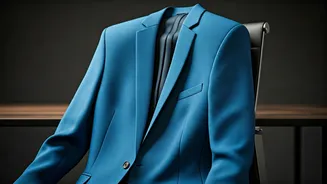
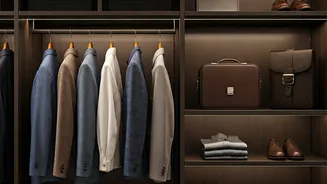
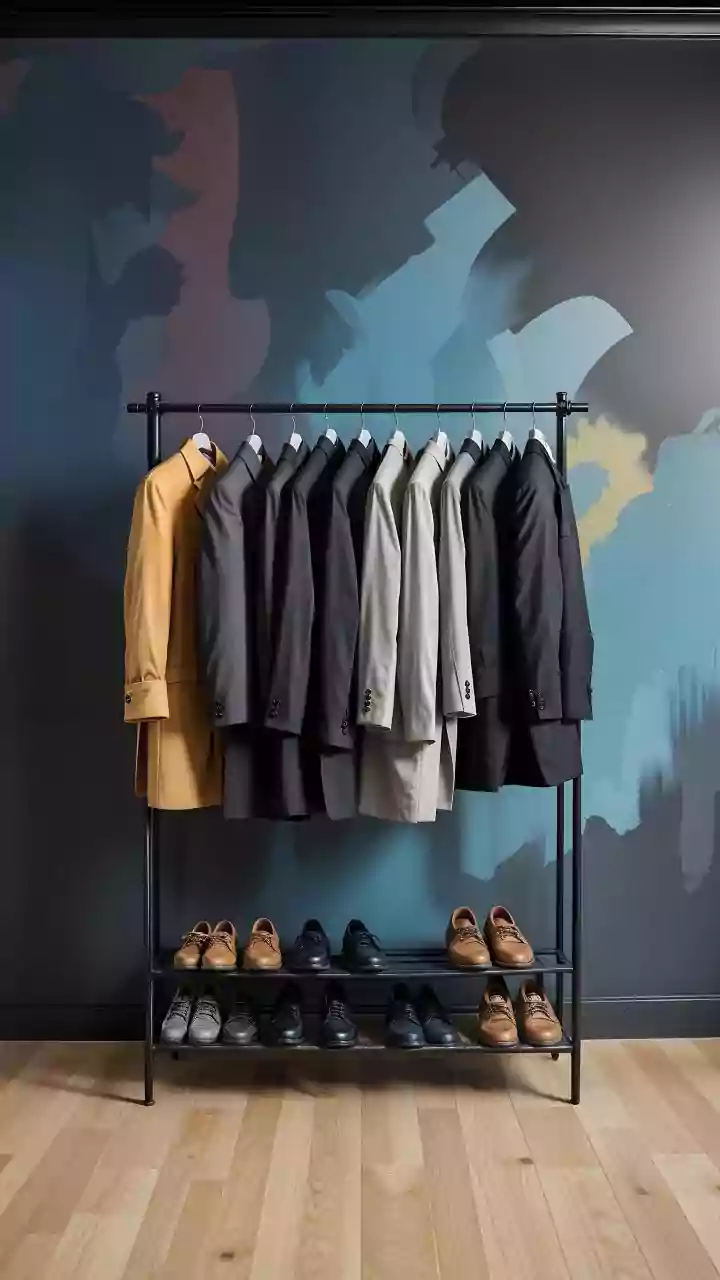
impacts cognitive functions such as mood, attention, and self-perception through both symbolic interpretations and direct physical sensations. Leanna Spektor, a style expert, explains that while muted, dark colours might seem professional, they can actually diminish spirits, especially after a vibrant holiday period. A wardrobe dominated by black, grey, and brown can amplify feelings of dullness and fatigue, mirroring seasonal affective disorder. Consistently wearing neutral tones can foster a sense of monotony. Conversely, integrating small bursts of colour, whether through an accessory like a scarf or a colourful inner layer, can provide a significant psychological uplift without compromising professional decorum. Even a touch of burgundy, cobalt blue, or brightly coloured footwear can shift your mindset, signalling energy and purpose, thereby combating the post-break slump. The key is to strategically introduce colour to positively influence your emotional state.
The Stress of Constricting Clothes
Physical discomfort stemming from clothing can escalate your body's stress response, exacerbating anxiety during sensitive periods like returning to work. Experts highlight that restrictive garments, such as tight waistbands, stiff fabrics, or poorly breathable materials, place your body under persistent, low-level strain. This physical unease is amplified when you are already feeling apprehensive about resuming work, potentially increasing cortisol levels and making you feel more agitated. Furthermore, ill-fitting or constricting clothing can lead to self-consciousness, drawing your attention away from tasks as you adjust uncomfortable elements. The cumulative mental effort required to manage even minor physical discomfort adds to cognitive strain during a time when you're trying to re-acclimate to professional routines. Clothing should ideally be supportive, not a source of distraction. Prioritising comfort through fits and fabrics that allow for free movement and breathing conserves valuable energy that can be better directed towards productive work.
Layering for Peak Focus
Effective layering is crucial for maintaining concentration, as thermal regulation directly impacts mental performance. Both over-layering and under-layering can create significant problems. Being too warm can lead to sluggishness and irritability, while being too cold results in distraction and tension. In either scenario, your brain expends more energy attempting to manage physical discomfort rather than focusing on your tasks. Unpredictable office temperatures, particularly during seasonal shifts, can exacerbate this issue. Heavy layers can cause overheating and mental fog, while insufficient warmth forces your body to expend vital energy on staying warm, both scenarios diminishing productivity and increasing frustration. Research confirms that thermal discomfort substantially hinders cognitive abilities, increasing distractibility and reducing task efficiency. The recommended solution involves strategic layering with adaptable, breathable clothing. Lightweight knits, cardigans, and scarves allow for on-the-fly adjustments without compromising professional appearance. Natural fibres like cotton, merino wool, and linen blends are superior for regulating body temperature compared to synthetic materials. Designing your wardrobe with adaptability in mind—using a breathable base layer, a mid-weight top, and a removable outer layer—grants you control over your comfort, thereby mitigating anxiety and enhancing focus.
Seamless Back-to-Work Dressing
Easing your transition back to the workplace doesn't necessitate a complete wardrobe overhaul. Experts advocate for small, deliberate adjustments that prioritize psychological comfort alongside professional presentation. Prioritize 'comfort-first tailoring' by opting for structured pieces with a relaxed fit; tailored attire doesn't have to mean restrictive. Look for trousers with comfortable elastic waistbands, blazers with stretch panels, and shirts with ample room for movement. Well-fitted clothing that avoids constriction allows for a polished look without physical strain. Pay attention to 'texture and fabric choices,' favouring soft, breathable materials that minimize sensory stress. Avoid stiff, abrasive, or overly rigid fabrics. Instead, select jersey knits, brushed cotton, and ponte fabrics that offer structure without sacrificing comfort. The feel of the fabric against your skin significantly impacts your ease throughout the day. Finally, incorporate 'small psychological upgrades.' These include ensuring a well-fitting pair of shoes, opting for a luxurious fabric like a cashmere blend for a jumper, or adding a jewel-toned accessory. These thoughtful selections can subtly shift your mood and make the act of getting dressed feel more like an enjoyable act of self-care rather than a daunting chore.