






Dermaplaning: The Basics
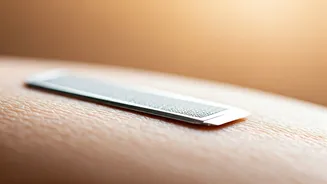
Dermaplaning is a cosmetic procedure that involves using a sterile, surgical scalpel to gently scrape off the top layer of skin. This process removes dead
skin cells, debris, and fine, vellus hair (often called 'peach fuzz'), revealing a smoother, brighter complexion. The treatment typically provides a temporary glow and can improve the effectiveness of skincare products. Dermaplaning is often performed by trained professionals in a spa or medical setting, but at-home tools are widely available for personal use. It's generally a painless procedure, with minimal downtime, making it a popular choice for those seeking immediate skin improvements. However, it's essential to understand the correct techniques and consider your skin type before starting.
Best Tools: An Overview
Selecting the right dermaplaning tool is crucial for achieving optimal results while minimizing potential risks. Tools are available in various formats, catering to different needs and preferences. Manual razors, which are generally cost-effective, offer good control, while electric devices often feature added benefits like sonic vibrations or built-in lights, potentially enhancing the experience. When selecting a tool, consider your skin sensitivity and specific needs. For instance, those with sensitive skin may prefer tools designed with gentle blades and a focus on minimizing irritation. Look for options with ergonomic handles for comfortable use and consider the ease of cleaning and blade replacement. Carefully read product reviews, and see recommendations to choose a product that suits you.
At-Home Dermaplaning Safety
While dermaplaning at home can be a convenient option, prioritizing safety is important. Before dermaplaning, cleanse your face thoroughly to remove makeup and impurities. Always use a clean, sharp blade. Hold the skin taut with one hand and gently glide the razor over the skin in a downward motion at a 45-degree angle. Avoid applying excessive pressure, which can lead to irritation or cuts. Dermaplaning should be avoided on areas with active breakouts, open wounds, or infections. After dermaplaning, apply a soothing, hydrating moisturizer and avoid direct sun exposure. Always patch-test a small area first to check for any adverse reactions, and discontinue use if irritation occurs. Regular blade replacement is necessary to maintain sharpness and hygiene.
Choosing the Right Tool
When choosing a dermaplaning tool, your skin type should guide your decision. For sensitive skin, tools with protective features or specialized blades designed to reduce irritation are ideal. Consider the material of the blade and handle for a comfortable experience. Look for razors that allow for precise control. For areas with fine hair, tools with smaller blades may provide more accuracy. If you're new to dermaplaning, consider starting with manual razors to get a feel for the technique. Electric dermaplaning devices may offer additional features, such as sonic vibrations, potentially enhancing exfoliation, but they can be pricier. Whatever you choose, prioritize tools with a comfortable design, easy blade replacement, and good reviews.
Dermaplaning: Beyond the Buzz
Dermaplaning's benefits extend beyond immediate smoothness. Regular dermaplaning can improve the absorption of skincare products, as the removal of dead skin cells allows for better penetration of active ingredients. It can also help reduce the appearance of fine lines and wrinkles over time by promoting cell turnover. The process removes 'peach fuzz', leading to a brighter, more radiant complexion, and a smoother base for makeup application. However, dermaplaning is not a permanent hair removal solution; hair will grow back. The frequency of dermaplaning depends on individual skin type and hair growth, with many people choosing to do it every few weeks. It's important to monitor your skin's response and adjust the frequency as needed.