

Assessing Old Soil
Giving your potting soil a second chance is a fantastic way to reduce waste and save money, but it's not a simple matter of scooping it back into pots.
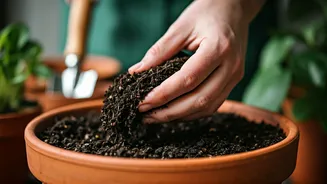
The key lies in understanding its condition before you replant. Potting soil, typically a blend of mineral elements like sand, clay, and loam, is often enhanced with organic matter to boost its nutrient content. While it's generally at its best for two years from purchase, don't despair if yours has aged beyond this. Older soil can still be valuable, perhaps by amending it or incorporating it into other garden areas like flower beds or raised beds, though its primary nutritive capacity will have diminished over time. Therefore, a careful initial assessment is crucial to determine its suitability for reuse and what steps are needed to bring it back to a state where new plants can thrive.
Soil Revitalization Steps
To successfully reuse potting soil, a proactive approach to its conditioning is vital. One of the most straightforward methods for refreshing depleted soil is to integrate it with new, external soil. This mixing process helps to reintroduce vital elements and improve its overall structure. Furthermore, it's crucial that potting soil never completely dries out between uses. If you're storing soil for the next growing season, it's advisable to leave it exposed to the elements, allowing it to receive moisture from rain and snow, rather than sealing it away in a dry shed or garage. This continuous slight dampness helps maintain microbial activity and prevents the soil from becoming overly compacted or sterile, laying the groundwork for successful regeneration.
Nutrient Replenishment Guide
As plants grow, they inevitably consume the nutrients present in the soil, making replenishment a critical step before reuse. Consider using a slow-release organic plant food that provides essential macronutrients for the entire season. This can be as simple as adding compost or a balanced fertilizer. For a more scientific approach, after sterilizing the soil, test its pH level. An ideal range is between 6.5 and 7.5, which can be determined using a simple soil test kit. If the pH is too low, incorporate amendments rich in nutrients. Conversely, if it's too high, you can adjust it by adding elemental sulfur, aluminum sulfate, or sulfuric acid. This careful balancing act ensures the soil is pH-neutral and nutrient-rich, creating an optimal environment for new plant life.
Pest Eradication Methods
Encountering pests or diseases in your used potting soil doesn't mean it's unusable, but it does necessitate a thorough sterilization process before planting. A highly effective method involves placing the suspect soil in a tightly sealed black bag and leaving it in direct sunlight for four to six weeks. The intense heat generated within the bag will effectively eliminate any unwanted organisms. Alternatively, you can bake the soil in an oven-safe pan covered with foil at 180°F for 30 minutes. Ensure the soil cools completely before handling, though be aware this method might leave a lingering earthy aroma in your kitchen. Once the soil is decontaminated and cooled, reintroduce beneficial microbes by mixing in compost, using a ratio of one part compost to three to four parts soil, to create a truly revitalized growing medium.
Strategic Plant Rotation
Implementing a smart plant rotation strategy can significantly enhance the longevity and usability of your potting soil. Different plants have varying nutrient demands, so alternating the types of plants you grow in the same soil year after year can create a more balanced ecosystem. For instance, after growing flowers like impatiens one season, you could switch to cultivating vegetables such as Snackabelle peppers the following season in the same soil. This practice helps to prevent the depletion of specific nutrients that certain plants heavily rely on. By diversifying your crops, you not only maintain soil health but also ensure that the potting soil can be effectively recycled annually, promoting healthier growth and a more sustainable gardening approach overall.