





Understanding Kidney Function
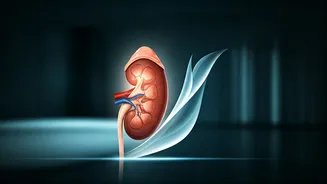
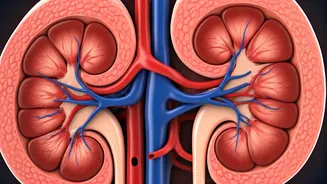
Kidneys are vital organs, acting as the body's sophisticated filtration system. They meticulously process roughly 200 liters of blood daily, removing waste
products and excess fluid to produce about 1 to 2 liters of urine. This continuous filtering process is essential for maintaining the delicate balance of electrolytes, such as sodium, potassium, and calcium, within the body, which is crucial for nerve and muscle function, hydration, and blood pressure regulation. Beyond waste removal, kidneys also play a significant role in producing hormones that stimulate red blood cell production, maintain bone health by activating vitamin D, and regulate blood pressure. When kidneys are compromised, these critical functions falter, leading to a buildup of toxins and fluid, anemia, weakened bones, and uncontrolled hypertension, underscoring their indispensable role in overall well-being.
Dietary Pillars for Kidney Wellness
Nourishing your kidneys begins with mindful eating. A diet rich in fruits, vegetables, and whole grains, while moderate in protein, is fundamental. Limiting sodium intake is paramount, as excessive salt can elevate blood pressure, a major contributor to kidney damage. Aim to reduce processed foods, canned soups, and fast food, which are often laden with hidden sodium. Potassium and phosphorus levels also require attention, especially for individuals with existing kidney issues. Foods high in these minerals, such as bananas, potatoes, dairy products, and nuts, may need to be consumed in moderation. Adequate hydration is equally important; drinking sufficient water aids the kidneys in flushing out waste products efficiently. However, individuals with certain kidney conditions might need to monitor fluid intake, so consulting a healthcare professional for personalized advice is always recommended. Focusing on lean proteins like fish, poultry, and legumes can also be beneficial, as they are generally easier for the kidneys to process compared to excessive red meat.
Lifestyle Habits for Healthy Kidneys
Beyond diet, integrating healthy lifestyle practices is key to maintaining robust kidney health. Regular physical activity is a cornerstone; engaging in at least 30 minutes of moderate exercise most days of the week can help manage blood pressure, control weight, and improve overall cardiovascular health, all of which directly benefit kidney function. Avoiding smoking is crucial, as tobacco use damages blood vessels, impairing blood flow to the kidneys and exacerbating existing kidney disease. Similarly, limiting alcohol consumption is advisable, as excessive intake can lead to high blood pressure and kidney damage. Managing chronic conditions like diabetes and hypertension effectively is also a critical component of kidney care. Consistent monitoring of blood sugar and blood pressure levels, along with adherence to prescribed medications, can significantly slow or prevent kidney complications. Lastly, it’s wise to use over-the-counter pain relievers like NSAIDs (ibuprofen, naproxen) cautiously, as frequent use can harm the kidneys, particularly for those with pre-existing kidney concerns.
Early Detection and Prevention
Proactive monitoring and early detection are your greatest allies in preserving kidney health. Regular medical check-ups are essential, particularly for individuals with risk factors such as diabetes, high blood pressure, a family history of kidney disease, or those over the age of 60. These check-ups often include simple urine and blood tests that can identify early signs of kidney damage, even before symptoms become apparent. A urine test can detect protein (albuminuria) or blood in the urine, which are often the first indicators of kidney trouble. A blood test, specifically measuring creatinine levels and calculating the estimated glomerular filtration rate (eGFR), provides a clear picture of how well your kidneys are filtering waste. Early diagnosis allows for timely intervention, lifestyle modifications, and treatment plans that can significantly slow the progression of kidney disease and prevent severe complications. Understanding your personal risk factors and maintaining an open dialogue with your healthcare provider are fundamental steps in safeguarding your kidneys throughout life.