



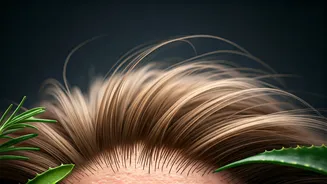

Nourishing Coconut Oil Massage
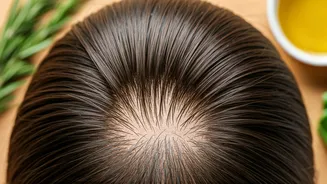
Coconut oil stands out for its deep penetration into the hair shaft, effectively minimizing protein loss and preventing breakage. Beyond its inherent properties,
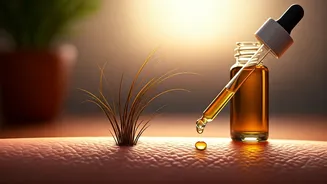
the act of massaging it into the scalp is paramount. By warming a small amount of oil to a comfortable temperature, you can then spend 5 to 10 minutes gently massaging it into the affected area using circular motions with your fingertips. This physical stimulation boosts blood circulation directly to the hair follicles, acting as a revitalizing signal for dormant hair. For best results, aim for this treatment 2 to 3 times per week, ideally leaving the oil in overnight or for at least a few hours before shampooing to maximize its benefits.
Potent Onion Juice Treatment
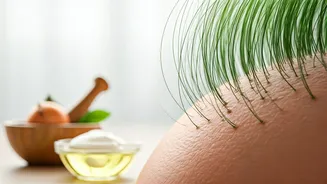
While the aroma of onion juice might be a challenge, its efficacy in promoting hair growth is undeniable, making it a popular natural remedy. Onions are rich in sulfur, a critical component in the synthesis of collagen and essential hair proteins. To prepare this remedy, grate or blend an onion and carefully extract its juice. Apply this juice directly onto the bald spot and allow it to sit for approximately 20 to 30 minutes before thoroughly rinsing it out. The sulfur content is believed to enhance blood flow to the scalp and has shown promise in clinical observations for addressing patchy hair loss. For those sensitive to the smell, incorporating a few drops of rosemary or lavender essential oil can help to mitigate its intensity.
Soothing Aloe Vera Application
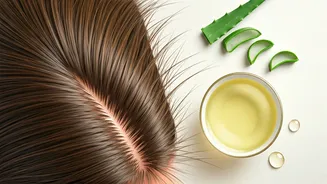
When scalp irritation, inflammation, or dryness hinders hair growth, aloe vera offers a calming and restorative solution, akin to a spa treatment for your follicles. It's recommended to use fresh aloe vera gel for maximum benefits. Gently rub the gel directly onto your scalp, focusing on the affected areas, and let it remain for 30 to 40 minutes before rinsing with lukewarm water. Aloe vera works by cleansing blocked follicles and reducing scalp inflammation, thereby creating an optimal environment conducive to new hair development. This gentle treatment can be applied 2 to 3 times weekly with ease, promoting a healthier scalp.
Deeply Nourishing Castor Oil
Castor oil is recognized as a potent treatment for hair thickness and scalp health. It is abundant in ricinoleic acid, a compound specifically lauded for its hair-thickening properties. Due to its viscous consistency, comparable to honey, it's advisable to blend it with lighter oils such as almond or coconut oil to facilitate easier application. Once mixed, massage the oil blend into the scalp and leave it overnight. The oil works by deeply moisturizing hair roots and establishing a protective barrier that safeguards scalp health. Given its richness, applying castor oil once or twice a week is sufficient to avoid overwhelming the scalp.
Strengthening Fenugreek Paste
Fenugreek seeds, a common kitchen staple, possess remarkable properties for hair restoration. These seeds are a rich source of nicotinic acid and protein, fundamental building blocks of hair. To prepare a fenugreek hair mask, soak the seeds in water overnight. The following morning, grind the soaked seeds into a smooth paste and apply it generously to your scalp. Allow the paste to set for about 30 minutes before washing it off. This traditional remedy is highly effective for fortifying hair roots and stimulating growth in areas experiencing thinning.
Invigorating Garlic Oil
Similar to onions, garlic is a potent source of sulfur, making it an excellent choice for stimulating hair growth, particularly when growth appears to have stalled. To create garlic-infused oil, crush a few garlic cloves and gently heat them in a small amount of coconut oil. Once the oil has cooled, strain out the garlic pieces. This infused oil can then be applied as a targeted treatment to bald spots, ideally once a week, to encourage renewed growth.
Mastering Stress and Diet
While topical treatments are beneficial, managing stress and optimizing diet are equally critical for addressing hair loss. Elevated cortisol levels due to chronic stress can keep hair in a resting phase, a condition known as telogen effluvium, which is common in women. Prioritizing 7-8 hours of quality sleep and incorporating mindfulness practices like deep breathing or yoga can help regulate the nervous system, which in turn positively impacts the hair growth cycle. Furthermore, a balanced diet rich in protein (from sources like lentils and paneer), iron (found in spinach and dates), and healthy fats (from walnuts and seeds) is essential, as the body prioritizes nutrient distribution to vital organs before hair. Ensuring adequate iron intake, for instance, is fundamental, as deficiencies can counteract the benefits of other remedies.
Practices to Avoid
In addition to incorporating beneficial practices, it's crucial to cease activities that may exacerbate hair loss. High-tension hairstyles, such as tight buns, braids, or ponytails, can exert undue pressure on hair roots, leading to traction alopecia. Minimizing the use of heat styling tools like flat irons and avoiding harsh chemical treatments like bleaches and perms until regrowth is observed are also important steps. These practices can weaken existing hair and further stress the scalp, hindering the natural recovery process. Focusing on gentler hair care routines allows the scalp and follicles to heal and rebuild.
Patience and Professional Help
It's important to understand that hair regrowth is a gradual process, and significant results are not instantaneous. Typically, the first signs of regrowth, often appearing as fine, fuzzy "baby hairs," may be noticeable within 4 to 6 weeks. More substantial filling in of bald spots usually occurs over 2 to 3 months. Consistency in applying remedies is key; switching treatments frequently can impede progress. However, if the bald spot is rapidly expanding, accompanied by scalp pain or itching, significant hair shedding in clumps, or other systemic symptoms like extreme fatigue or irregular menstrual cycles, consulting a dermatologist is recommended. These symptoms could indicate underlying medical conditions requiring professional diagnosis and treatment.