





The Growing Threat
A significant concern is emerging among medical professionals regarding the increasing incidence of liver issues among the younger demographic in India.
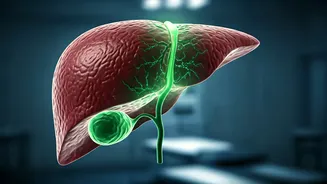
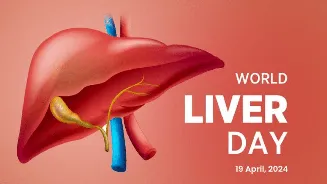
This trend, brought into sharp focus around World Liver Day, is largely attributed to the widespread and often unchecked consumption of energy drinks. Doctors have observed a noticeable uptick in young individuals presenting with early indicators of liver disease, with these popular beverages identified as a key contributing factor. The marketing of energy drinks as aids for enhanced performance and combatting fatigue has led to their normalization in daily routines, masking the severe metabolic strain they can place on the liver due to their high caffeine content and other stimulating ingredients like taurine. This widespread use is creating an alarming health scenario for the nation's youth, prompting urgent calls for awareness and intervention.
Hidden Dangers Unveiled
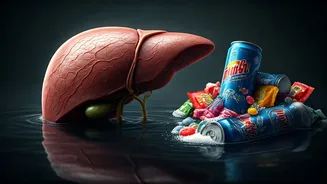
The cocktail of substances found in energy drinks, combined with other popular choices, presents a triple threat to liver health. Beyond energy drinks, both alcohol and high-sugar beverages are identified by experts as major culprits in liver dysfunction. While alcohol remains a primary driver of liver disease, sugary drinks significantly contribute to the development of fatty liver disease, a condition where excess fat builds up in the liver. A particularly perilous combination arises when energy drinks are mixed with alcohol. The stimulating effects of caffeine can mask the depressant impact of alcohol, leading individuals to consume far more alcohol than they might otherwise, intensifying the damage to the liver. Medical literature supports these concerns, with documented cases of acute hepatitis directly linked to the high intake of energy drinks, often due to excessive niacin levels which can be toxic to the liver.
Impact on Liver Cells
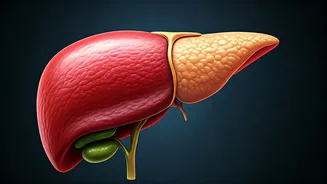
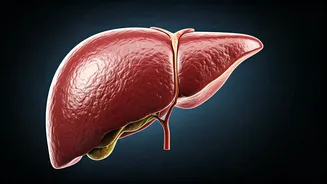
The array of ingredients common in energy drinks—namely high sugar, potent caffeine, and various chemical additives—collectively contribute to a cascade of detrimental effects within liver cells. These components can foster the accumulation of fat within the liver, a process known as steatosis, and also trigger oxidative stress, an imbalance that damages cells. Furthermore, these substances can lead to inflammation in the liver tissue. When these damaging processes occur repeatedly over time, they can result in significant liver injury and escalate the risk of developing non-alcoholic fatty liver disease (NAFLD). This condition, which is not caused by excessive alcohol consumption, is becoming increasingly prevalent, with studies indicating that a substantial portion of the urban population, estimated between 25 to 30 percent, may be affected by NAFLD, and alarmingly, the incidence is growing among adolescents and young adults.
A Generational Shift
There's a palpable shift occurring in the demographic profile of individuals experiencing liver ailments. Healthcare professionals are increasingly encountering patients in their 20s and 30s suffering from conditions that were historically more common in older populations. This transformation is largely driven by lifestyle choices prevalent among younger generations, who often remain unaware of the severe health implications associated with their consumption habits. Many young people perceive energy drinks and other sugary concoctions as just a normal part of their daily routine or social activities, failing to recognize the cumulative damage being inflicted upon their livers. This lack of awareness is a critical barrier to prevention and treatment, highlighting the urgent need for targeted health education campaigns to inform and empower this age group.
Seeking a Healthier Future
The escalating rates of liver disease among the youth underscore the critical need for immediate and decisive action. In severe cases, advanced liver damage can necessitate a liver transplant, which is often the sole life-saving intervention available. To mitigate these risks, medical experts strongly advocate for a significant reduction in the consumption of energy drinks and other high-sugar beverages. Promoting greater awareness about the potential long-term health consequences, particularly for young consumers who are heavily targeted by marketing for these products, is paramount. Encouraging mindful choices and supporting healthier lifestyle alternatives can collectively help safeguard the future health of the younger generation's livers and prevent a more widespread public health crisis.