






The Humble Potato's Global Trek
The potato, a staple in countless Indian meals from fluffy parathas to spicy curries and vibrant chaats, is so deeply ingrained in the national diet that
its foreign beginnings are often overlooked. Originally hailing from the Andes region of South America, specifically the areas now known as Peru and Bolivia, the potato was a fundamental crop for the ancient Inca civilization. Its introduction to India, long after its cultivation in its native lands and subsequent spread to Europe, marked a culinary revolution. Its affordability, filling nature, and remarkable versatility in absorbing a wide array of Indian spices and masalas made it an indispensable ingredient, easily adaptable to every culinary context and becoming a true culinary shapeshifter in the Indian kitchen.
The South American Tomato
Imagine Indian cuisine without the essential tang of tomatoes – a difficult feat, as this crucial ingredient also made its way to India from across the seas. The tomato's genesis lies in the Andes Mountains of South America, later being cultivated and developed in pre-Columbian Mexico before European explorers, specifically the Spanish, transported it to the continent in the 16th century. From Europe, its culinary journey continued to India, where it swiftly became indispensable for adding a vital sourness and balance to a multitude of dishes. Today, tomatoes are integral to rich gravies, zesty chutneys, and various sauces, a testament to their profound impact, despite their undeniable American roots. Beyond flavor, tomatoes are also lauded for their health benefits, particularly their high lycopene content, an antioxidant responsible for their red hue, which is associated with supporting cardiovascular health and potentially reducing the risk of certain diseases. Furthermore, the antioxidants present in tomatoes aid in shielding the skin from environmental damage caused by sun exposure and pollution, potentially contributing to a healthier, more radiant complexion with regular consumption.
Chilli Pepper's Fiery Arrival
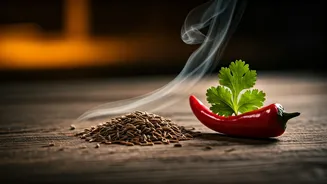
The association of Indian food with intense heat is almost universal, yet this signature spiciness did not originate within India itself. Chilli peppers, the source of this beloved heat, are indigenous to the Americas. Genetic studies suggest that the domesticated Capsicum annuum lineage can be traced back to Mexico, with other species independently cultivated across Central and South America. These vibrant pods arrived in Europe in the late 15th century, eventually making their way across Asia and Africa. While India may not be the birthplace of the chilli, its adoption and mastery of this ingredient are unparalleled. Indians have transformed the chilli into such a fundamental element of their cuisine that it now feels like an innate culinary instinct, deeply woven into the fabric of the nation's food culture.
Cauliflower's Western Roots
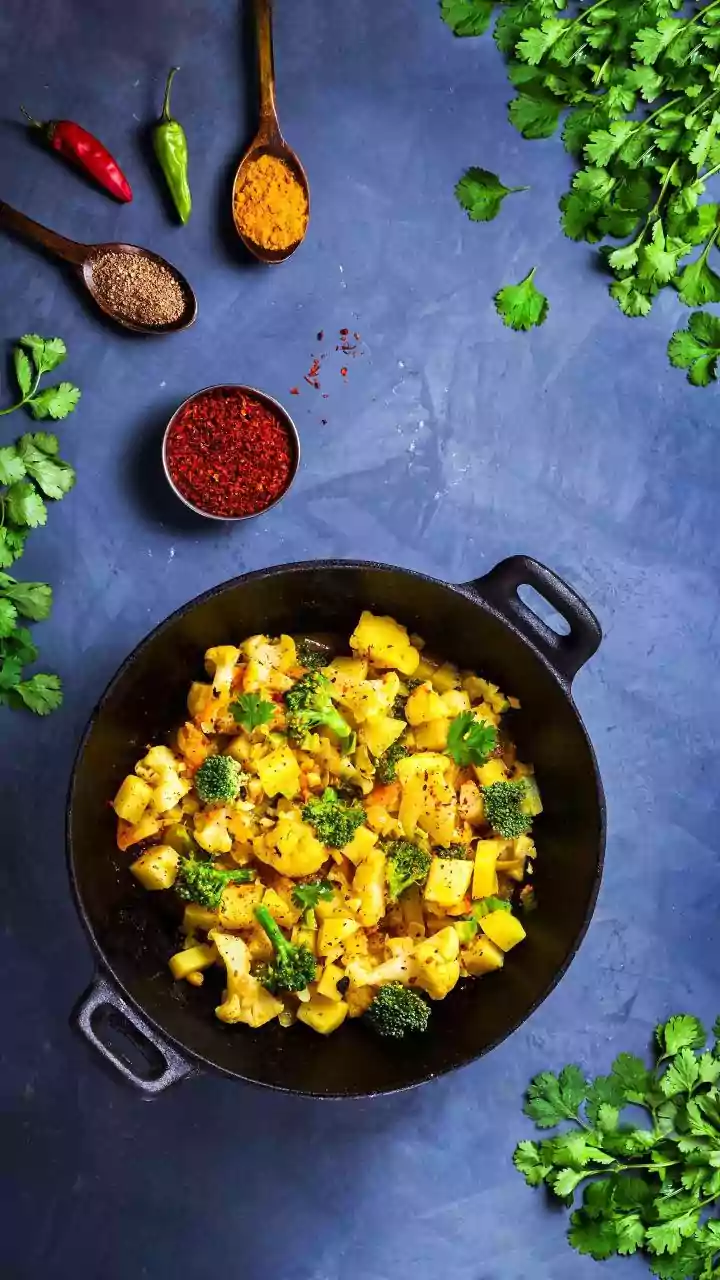
Cauliflower possesses a remarkably convincing Indian persona, seamlessly integrating into dishes like the classic aloo gobi, rich korma preparations, stir-fries, and popular street food. Its ubiquitous presence has led many to assume it's a native vegetable. However, cauliflower's origins can be traced back to Western Asia, where it was familiar to ancient civilizations such as the Persians, Greeks, and Romans. Through centuries of exchange and adaptation, it journeyed across continents, eventually becoming a commonplace vegetable in Indian households. While its current role and integration into Indian cuisine are undeniably significant, its identity as an Indian vegetable is a more recent chapter in its long and fascinating global journey.
The Samosa's Middle Eastern Ancestry
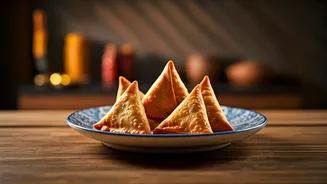
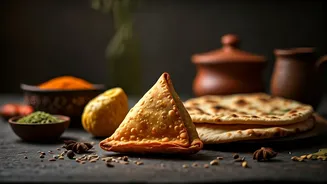
India's beloved samosa, a quintessential snack enjoyed across the nation, actually has its roots planted firmly outside the subcontinent. Historical evidence points to a medieval predecessor originating in the Middle East and Central Asia, where similar filled pastries were known by names like 'sanbusak.' These early iterations of the snack traveled to the Indian subcontinent, likely through royal kitchens and established trade routes. Upon arrival, they underwent a remarkable transformation, evolving into the crisp, spice-laden triangular delight that has become synonymous with Indian tea time and culinary culture. India didn't just adopt the samosa; it wholeheartedly reinvented it into the iconic dish recognized and cherished today.
Naan: A Persian Connection
The soft, often buttery naan, a staple in Indian restaurants both domestically and abroad, carries a name that betrays its Persian origins. According to Britannica, the word 'naan' is derived from the Persian 'nân-e sangak,' and the bread itself was documented in India as early as the 14th century by the poet Amir Khosrow. It is believed that naan likely traveled along the historical cultural and culinary pathways that connected Persia, Central Asia, and the Indian subcontinent for centuries. As culinary traditions, techniques, and ingredients were exchanged among cooks, traders, and royal establishments, leavened wheat breads baked in hot ovens gradually adapted to local palates, ultimately becoming an integral part of everyday North Indian dining. It gained particular prominence within the Mughal court before its popularity spread much wider. Therefore, in its purest sense, naan is not a native Indian invention or word; it is a borrowed bread that found its most celebrated and widespread existence in India.
Jalebi's Western Sweet Trail
Jalebi evokes the spirit of Indian festival mornings, the indulgence of syrupy mithai boxes, and the bustling charm of roadside sweet shops, yet its ancient lineage points westward. Historical records indicate the existence of similar sweets in Arabic and Persian cookbooks, often referred to by names such as 'zalabiya' and 'zolbiya.' These sweet creations later dispersed through the Middle East before eventually making their way into India. Over time, the Indian rendition of jalebi evolved, becoming brighter, crispier, and more visually dramatic, ultimately adopting the distinctive orange, coiled shape that is now an indelible symbol of Indian bazaars and celebrations. While the sweet may have arrived from elsewhere, it was India that bestowed upon it its final, unforgettable, and iconic form.