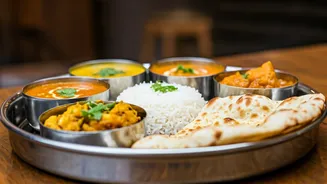




Introduction to Indian Food
Indian cuisine, a vibrant tapestry of flavors and aromas, is deeply rooted in the country's diverse culture and regional variations. The use of spices,
such as turmeric, cumin, coriander, and garam masala, is integral to creating the complex flavor profiles characteristic of Indian dishes. These spices not only enhance the taste but also offer numerous health benefits. Furthermore, the way food is prepared and eaten in India is often associated with religious and cultural practices, influencing the ingredients used and the methods of cooking. For instance, vegetarianism is common, especially in certain regions, leading to a rich variety of vegetable-based dishes. Understanding these cultural nuances is essential to fully appreciating the complexity and richness of Indian cuisine. This article will guide you through this culinary exploration, beginning with a brief overview of key ingredients and cooking methods before diving into some of the most popular Indian dishes.
Exploring Regional Specialties
India's culinary landscape is as diverse as its geography, with each region boasting unique specialties and cooking techniques. North Indian cuisine, known for its rich, creamy curries and tandoori dishes, uses a lot of dairy and butter. South Indian food, on the other hand, often highlights the use of rice, lentils, and coconut, with a focus on dishes such as dosas and idlis. West Indian cuisine is characterized by seafood and coastal flavors, while East Indian dishes often feature mustard oil and a blend of sweet and savory elements. The variations in regional dishes stem from factors such as climate, locally available ingredients, and historical influences. Each regional cuisine tells a unique story and adds to the rich tapestry of Indian culinary tradition.
Essential Spices & Ingredients
The cornerstone of Indian cuisine is the harmonious blend of spices and fresh ingredients. Turmeric, known for its vibrant color and anti-inflammatory properties, is a staple. Cumin and coriander provide earthy and aromatic notes, while garam masala, a complex spice blend, adds warmth and depth to many dishes. Fresh ingredients like ginger, garlic, chilies, and herbs are also used. The quality and freshness of these ingredients significantly influence the overall flavor. The art of balancing these spices requires practice, transforming simple ingredients into complex and flavorful dishes. Learning to use and mix these spices is the key to creating authentic Indian food.
Popular Indian Dishes
India is home to many popular and well-loved dishes. Butter chicken, a creamy tomato-based dish, is a North Indian favourite. Biryani, a flavorful rice dish often combined with meat or vegetables, showcases the art of layering flavours. Dosas and idlis, staples in South India, are known for their lightness and unique textures. Samosas, the classic fried or baked pastries with savoury fillings, are a popular snack. Each of these dishes reflects regional variations in ingredients and cooking techniques, giving everyone something to enjoy. Trying various dishes is the best way to fully experience the diversity of Indian food.
Cooking Methods
Indian cooking uses a variety of methods. Frying, such as in samosas, gives dishes a crispy texture. Grilling, such as in tandoori dishes, adds smoky flavors. Steaming, often used for idlis and dhokla, preserves nutrients and creates a light texture. Slow cooking, used in stews and curries, helps to develop rich flavors. The choice of cooking method has a significant impact on the final taste and texture of the dish. Experimenting with different cooking techniques is a way to explore the versatility of Indian cuisine.
Cultural Significance
In Indian culture, food is often linked to religious beliefs, festivals, and social gatherings. Vegetarianism is widely practiced due to religious beliefs. Specific dishes are prepared during festivals and celebrations, linking food with cultural heritage. Sharing food with family and community is a strong tradition, demonstrating unity and hospitality. Understanding the cultural context of food enhances the overall culinary experience.
Tips for Cooking
Successfully cooking Indian food involves several key steps. Start with fresh, high-quality ingredients, particularly spices. Toasting whole spices before grinding them releases the maximum flavor. Sautéing spices in oil or ghee before adding other ingredients is crucial for developing the flavor base. Gradual additions and proper simmering are essential for getting the best taste. Taste and adjust the seasoning throughout the cooking process. Cooking Indian food involves both science and art; enjoying the process is important.