




Understanding Aurora Activity
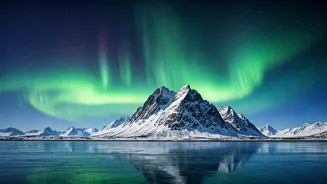
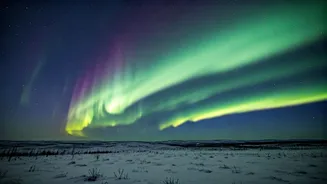
The ethereal glow of the aurora borealis, commonly known as the Northern Lights, is a breathtaking spectacle driven by space weather. Its visibility is largely
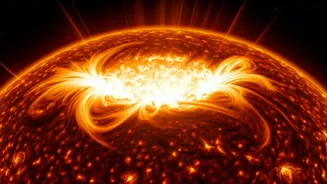
dependent on geomagnetic activity, which is influenced by solar events like coronal mass ejections (CMEs) and solar wind streams. When the sun releases charged particles that travel towards Earth, they interact with our planet's magnetic field and atmosphere. This interaction can trigger geomagnetic storms, ranging from minor disturbances to severe events. The strength of these storms, often measured by the Kp-index, directly impacts how far south the auroras can be seen. For instance, a G1 or G2 level storm might make auroras visible at high latitudes, while a G3 or even G4 storm can push them much further towards the equator, potentially reaching states like Illinois or Oregon. Staying updated on space weather forecasts, often provided by space weather physicists, is crucial for aurora enthusiasts, as these predictions help pinpoint the best times for viewing opportunities. Minor geomagnetic storms can still stir up auroras, especially over the coming days, making regular sky-watching a rewarding endeavor.
Weekend Aurora Outlook
Looking ahead to the weekend, aurora enthusiasts can anticipate a mixed bag of conditions. While some forecasts suggest relatively quiet skies, others indicate a potential boost in activity. For example, minor geomagnetic storms are predicted, which could spark auroras, particularly at high latitudes. There's also the possibility of fast solar winds lingering, offering continued chances for viewing. Some reports point to a 'chance of northern lights this weekend' or 'promising conditions over the weekend!', while others note that aurora chances might be 'slim this weekend as solar winds calm.' It's important to note that even when activity is waning, there might still be a 'slim chance of aurora activity' or 'aurora chances could linger into the weekend.' For those at higher latitudes, even minor storm conditions can bring about impressive displays. However, for observers at mid-latitudes, clear skies and a bit of luck are often needed to catch a glimpse of the aurora. Keeping an eye on the latest forecasts is key to maximizing your chances of a spectacular celestial show.
Factors Influencing Visibility
Several factors play a critical role in determining where and when you can best witness the aurora borealis. The primary driver is geomagnetic activity, which fluctuates based on solar events. Earth-facing coronal holes are significant as they can unleash streams of high-speed solar wind that can trigger geomagnetic storms. Similarly, coronal mass ejections (CMEs), which are massive bursts of plasma from the Sun, can also lead to spectacular auroral displays if they are directed towards Earth. The intensity of these events dictates their reach; for instance, a G3 or G4 geomagnetic storm has a much greater potential to bring auroras to lower latitudes than a G1 storm. Additionally, the time of year can influence viewing. While auroras occur year-round, the longer, darker nights of autumn and winter, particularly March, are often cited as the best months for aurora viewing due to increased darkness. However, even during times of quieter solar activity, persistent solar wind streams can maintain aurora possibilities, especially for those located at higher latitudes closer to the magnetic poles. Therefore, a combination of solar activity, Earth's magnetic field orientation, and local observing conditions like darkness and clear skies is essential for a successful aurora hunt.