






Hormonal Harmony Achieved
Stepping away from ultra-processed foods for a period of 60 days significantly contributes to the stabilization of key appetite-regulating hormones. Hormones
like leptin, which signals fullness, and ghrelin, which stimulates hunger, begin to function more accurately. This recalibration helps your body better recognize its genuine hunger and satiety cues, thereby mitigating the tendency to overeat. Research indicates that the disruption of these hormonal signals by junk food can lead to increased consumption even when calorie and nutrient content is identical, highlighting the importance of this hormonal reset for weight management and preventing overindulgence.
Natural Calorie Reduction
When individuals reduce their intake of ultra-processed foods by half, a notable decrease in daily calorie consumption occurs naturally, as evidenced by recent studies. Participants in one such intervention saw their average daily calorie intake drop by approximately 612 calories, leading to weight loss without the need for strict dieting. Over a 60-day timeframe, this reduction in calorie intake directly contributes to a loss of body fat, fosters more stable blood sugar levels, and minimizes those disruptive energy crashes often experienced throughout the day. The body's shift away from calorie-dense, nutrient-poor processed items naturally steers it towards a healthier energy balance.
Gut Microbiome Flourishes
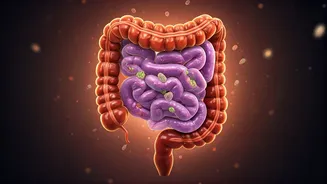
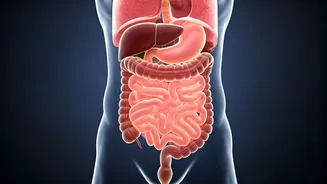
The consumption of ultra-processed foods is strongly linked to disruptions within the gut, promoting inflammation and diminishing the diversity of beneficial microorganisms. By removing junk food from your diet for an extended period, such as 60 days, the delicate lining of the gut is afforded an opportunity to repair itself. This allows for an increase in the population of good bacteria, which in turn leads to smoother and more efficient digestion. Experts in nutrition emphasize that a revitalized gut microbiome not only enhances digestive function but also plays a crucial role in bolstering the immune system and regulating mood.
Metabolism Efficiency Boost
Adopting a diet with fewer processed foods has been shown to aid in the regulation of metabolic processes and enhance appetite control, particularly for older adults. Studies indicate that limiting ultra-processed foods to less than 15% of daily caloric intake can result in organic weight loss and improvements in various metabolic markers. Over the course of 60 days, this metabolic recalibration can lead to increased insulin sensitivity, meaning your body utilizes glucose more effectively, and sustained energy levels throughout the day. This signifies a more efficient system for processing nutrients and maintaining bodily functions.
Cognitive Signals Refined
Junk food consumption can rapidly alter brain activity, sometimes within just five days, negatively impacting insulin sensitivity and affecting crucial brain pathways involved in memory and reward. Medical nutrition specialists highlight that these foods interfere with the brain's processing of insulin, a vital hormone for regulating appetite. After a 60-day hiatus from junk food, the brain begins a recalibration process. This can result in improved cognitive functions such as enhanced focus and a reduction in the compulsive cravings often associated with highly processed snacks, leading to clearer mental states.
Inflammation Levels Decline
Extensive research and reviews from reputable health organizations consistently link ultra-processed food consumption to increased systemic inflammation, which is a precursor to cardiovascular diseases and metabolic disorders. Committing to cleaner eating for two months helps to significantly lower inflammatory markers within the body. This reduction in inflammation often manifests externally as clearer skin, diminished bloating, and greater comfort in joints. Ultimately, a 60-day break from junk food initiates a powerful anti-inflammatory response, promoting a healthier internal environment and observable physical improvements.