





How They Function
The fundamental distinction between induction and infrared cooktops lies in their heating mechanisms. Induction cooktops employ electromagnetic fields
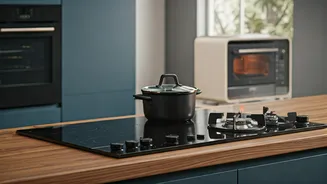
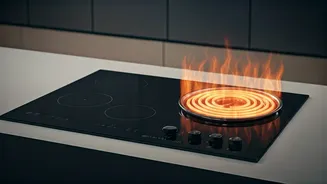
generated by a coil beneath the glass surface. This field directly excites the molecules within the base of magnetic cookware, generating heat from within the vessel itself. Consequently, the cooktop surface remains relatively cool, only warming from residual heat transfer. This direct energy transfer makes induction highly energy-efficient, as minimal heat is lost to the surrounding environment. In stark contrast, infrared cooktops utilize a heating element, often a halogen lamp, situated beneath the glass. This element heats the glass surface, which then radiates heat upwards to warm the cookware placed upon it. The process is more akin to traditional electric coil stoves, but with improved evenness and efficiency. The entire surface gets hot, and this heat is then transferred to the cookware and subsequently to the food.
Cookware Compatibility
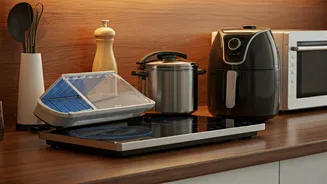
The most significant practical difference, particularly for Indian kitchens, revolves around cookware compatibility. Induction cooktops have a strict requirement: your cookware must possess a magnetic base. A simple refrigerator magnet test—if it sticks firmly to the pan's bottom, it's induction-ready—is the easiest way to check. Suitable materials include cast iron, carbon steel, enamelled iron, and certain grades of stainless steel. However, many traditional Indian utensils, such as those made from plain aluminium, copper, glass, or non-magnetic stainless steel, will not work on an induction surface. This often necessitates a significant investment in new cookware. Infrared cooktops are far more accommodating; since they heat the glass surface which then heats the cookware, they are compatible with virtually any flat-bottomed vessel, including aluminium, glass, and ceramic. A shared challenge for both is the shape of the cookware. Traditional rounded-base kadhais are problematic on induction, as they are not detected by the sensor, and on infrared, they lead to uneven heating due to poor contact with the glass. For best results on either, flat-bottomed kadhais or woks are recommended.
Cooking Performance
When it comes to cooking performance, induction generally offers superior speed and temperature control, which are crucial for many Indian culinary techniques. Induction heats up much faster because it directly energizes the cookware, drastically reducing the time needed to boil water, bring a pressure cooker to heat, or get oil to the perfect temperature for a tadka. Its precise temperature adjustment allows for near-instantaneous changes from high heat to a low simmer, a vital feature for delicate preparations like bhuna masala where burnt results can occur in seconds. Infrared cooktops respond more slowly, and the residual heat in the glass surface can make fine-tuning temperatures more challenging. While infrared might offer slightly more even heating across the pan's base due to radiant heat transfer, induction's speed and control are often preferred. For tasks like making phulkas, neither electric cooktop can perfectly replicate the direct flame of a gas stove, but using a heavy, flat-bottomed tawa on either can yield good results with practice. The smoky flavour achieved from charring vegetables like brinjal over an open flame is also difficult to replicate on these electric surfaces without additional methods.
Efficiency, Safety, and Cost
Induction cooktops are remarkably energy-efficient, transferring up to 90% of their energy directly into the cookware, which translates to lower electricity bills over time. Infrared cooktops are more efficient than older electric coil stoves but still lose some energy through the heated glass surface. Safety is a significant advantage for induction; the surface remains cool to the touch, greatly reducing the risk of accidental burns, especially in homes with children or the elderly. Infrared surfaces, conversely, stay hot long after they've been switched off. Both are safer than gas stoves, eliminating risks like gas leaks. In terms of initial cost, infrared cooktops are typically more affordable, with entry-level models available at lower price points. Induction cooktops are generally more expensive upfront, and this cost can increase if new cookware needs to be purchased. However, the long-term energy savings from induction can eventually offset the higher initial expenditure, making it a cost-effective choice for frequent users.
Making The Right Choice
The decision between an induction and an infrared cooktop hinges on your specific cooking habits and kitchen setup. Opt for an induction cooktop if your current cookware is largely magnetic (or if you're willing to invest in new induction-compatible pieces), you value speed and precise temperature control for complex dishes, and enhanced safety features are a priority. Conversely, choose an infrared cooktop if you have a diverse collection of existing cookware, including non-magnetic items, you are working with a tighter budget, or you prefer a more straightforward cooking experience that doesn't require constant checks on pot compatibility. Ultimately, both are significant upgrades over older electric stovetops. Many experienced Indian home cooks find themselves preferring induction after an adjustment period due to its superior speed and control, but infrared remains a practical and flexible option for kitchens that utilize a wide array of cookware accumulated over time. Understanding your own cooking style and kitchen inventory is key to making the most informed choice.