





The Silent Threat
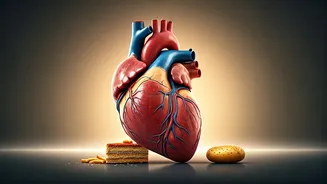
Heart disease is a growing concern, particularly in India, where it strikes earlier and progresses faster than in Western populations. This heightened
risk isn't always explained by conventional factors, suggesting a significant role for daily dietary choices. Small, consistent food habits can subtly contribute to inflammation, insulin resistance, unhealthy fat accumulation, and arterial deterioration, often without prior symptoms. Dr. Brijmohan Arora, a diabetologist, has pinpointed five prevalent dietary missteps that can quietly jeopardize heart health, warning that these mistakes damage the heart internally, with warning signs only appearing during a critical event like a heart attack.
Kitchen Culprits Identified
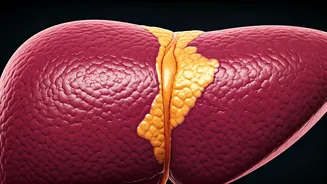
Dr. Arora's advice centers on eliminating specific food categories from your diet to protect your heart. He identifies 'seed oils,' 'ultra-processed/packet foods,' 'sugary drinks,' 'refined grains' like white bread and pasta, and 'processed meats' as major contributors to heart problems. According to him, these items actively promote insulin resistance, trigger chronic inflammation, lead to the accumulation of visceral fat (fat around organs), and cause damage to arteries. By addressing these dietary issues, one can improve metabolic health and consequently reduce the risk of cardiovascular events.
Science Behind the Claims
While the warning is stark, understanding the scientific basis is crucial. Experts emphasize that the link between diet and cardiovascular disease is well-established, but it's the overall dietary pattern, not just individual foods, that poses the greatest risk. High consumption of processed meats and refined carbohydrates, for instance, is consistently linked to increased heart disease due to their high saturated fat, sodium, and preservative content, along with rapid blood sugar spikes that disrupt metabolism. Regarding seed oils, the evidence is more complex; replacing saturated fats with unsaturated fats generally benefits heart health by lowering LDL cholesterol. Issues arise primarily from repeated heating of these oils or their presence in ultra-processed items.
Context Matters: Quantity & Balance
The impact of any food is heavily influenced by how much is consumed and how it's prepared, as well as the overall balance of the diet. Occasional indulgence in potentially problematic foods within an otherwise healthy eating plan is unlikely to significantly elevate heart attack risk. However, frequent consumption, especially when combined with a sedentary lifestyle, smoking, or obesity, dramatically amplifies the danger over time. Therefore, mindful moderation and a holistic approach to eating are key to mitigating dietary risks for heart health.
Insulin Resistance & Inflammation
At the core of many modern heart issues lie insulin resistance and chronic low-grade inflammation. Insulin resistance leads to persistently high blood glucose and insulin levels, which can damage blood vessel linings, promote plaque buildup, and accelerate atherosclerosis. Concurrently, chronic inflammation can destabilize existing plaques, increasing the likelihood of rupture and triggering heart attacks. The good news is that both these conditions are highly manageable through dietary changes. Improving insulin sensitivity can be achieved by cutting down on refined sugars, limiting ultra-processed foods, increasing fiber intake, and incorporating healthy fats from sources like nuts and fatty fish. These dietary adjustments, alongside weight management, regular exercise, and sufficient sleep, can yield substantial improvements in cardiovascular health.