





Simplicity Lost in Tech
The allure of a new car has dramatically shifted from straightforward considerations like comfort and basic features to an overwhelming digital landscape.
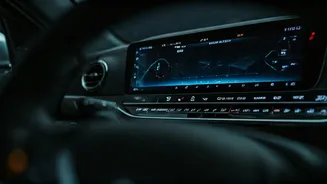
Gone are the days when choosing a car involved a clear checklist of practical elements; now, consumers are faced with intricate infotainment systems and a bewildering array of software-driven functions. This shift means that even fundamental adjustments, such as controlling external mirrors, often require navigating through complex touchscreen menus. While essential safety technologies like anti-lock braking systems and electronic stability control have undeniably enhanced road safety and efficiency, the industry's relentless pursuit of integrating more advanced, often non-essential, technology has led to interfaces that can be frustrating and distracting. The core essence of driving, which should be intuitive and engaging, is increasingly being overshadowed by layers of digital complexity that can alienate many users, particularly those less comfortable with rapidly evolving digital interfaces.
Variant Overload & Obsolescence
The automotive industry's current strategy of offering an excessive number of variants for single models creates significant confusion for consumers and salespeople alike. For instance, a popular compact SUV might be available in nearly eighty different configurations across various powertrains, each with subtle feature differences that are difficult to discern. This level of choice necessitates extensive research, turning the car-buying process into an arduous task rather than an enjoyable experience. This complexity extends beyond the initial purchase; the increasing reliance on software means cars are becoming more akin to disposable smartphones, prone to technological obsolescence. Furthermore, the intricate electronics and software integration make repairs increasingly challenging and expensive, often requiring specialized technicians who are essentially software engineers, a far cry from the mechanically fixable issues of older vehicles. This trend towards software-first design risks diminishing the long-term reliability and maintainability of cars.
The Driving Experience Compromised
A fundamental disconnect appears to be growing between automotive manufacturers and the core purpose of a car: the act of driving. Unlike a smartphone, which allows users to dedicate their full attention to its interface, a car demands a driver's focus on the road. Yet, modern vehicles are increasingly laden with systems that require visual and cognitive engagement away from the driving task. This preoccupation with integrating technology often seems to come at the expense of the tactile, responsive, and intuitive feel that characterized older, mechanically sound vehicles. Many enthusiasts and long-time owners fondly recall the engineered brilliance and straightforward functionality of cars from a decade or more ago, which were often more reliable and easier to maintain. The industry's current trajectory, driven by a software-centric approach, may be inadvertently sacrificing the pure pleasure and engagement of driving for the sake of often unnecessary digital enhancements.