



Punjabi Cuisine Basics
Punjabi cuisine is known for its rich flavors and generous use of ingredients. One of the main components include the liberal usage of dairy products such
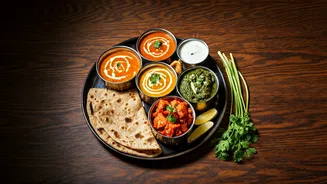
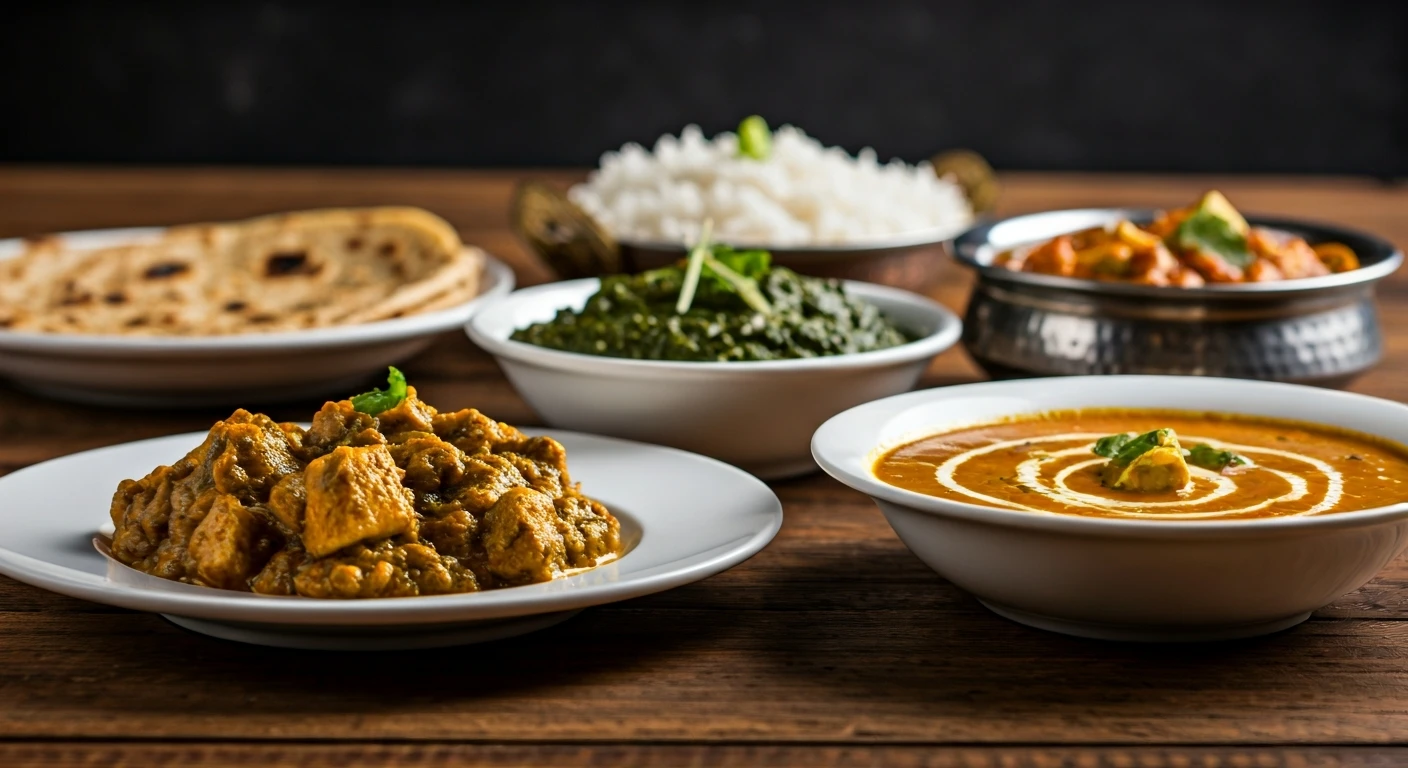
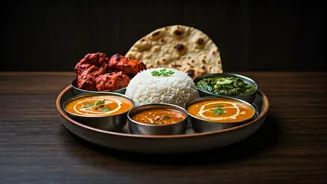
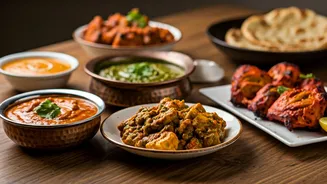
as ghee, butter, and cream, contributing to a high-fat profile. The cooking methods vary from slow simmering to tandoor-style grilling. Key ingredients include a diverse array of spices like turmeric, coriander, and garam masala. These elements together make Punjabi dishes flavorful and texturally complex. Dishes like butter chicken and parathas are not just staples; they represent the culinary heritage of the region. These foods and cooking methods emphasize robust flavors. The nutritional value is complex, combining both advantages and disadvantages, depending on the specific ingredients and preparation methods. Understanding these components is the first step in examining the nutritional value of the Punjabi diet.
Grains and Carbohydrates
A significant part of the Punjabi diet consists of grains and carbohydrates, especially wheat-based products. These include roti, parathas, and naan, offering substantial energy, primarily in the form of complex carbohydrates. These carbohydrates provide sustained energy release, contributing to overall stamina. Whole grains, which are often used in these preparations, supply dietary fiber. The fiber content aids in digestion and helps regulate blood sugar levels. These carbohydrates also offer essential vitamins and minerals, which vary depending on the grain used and processing methods. However, overconsumption of refined grains, which are common in many Punjabi dishes, can contribute to weight gain and blood sugar spikes. Balancing these carbohydrates with other components like vegetables and lean proteins is vital for a healthy diet. The approach should be about mindful consumption and ingredient choices for optimal nutrition.
Dairy and Proteins
Dairy products and protein sources are significant in the Punjabi diet, providing building blocks for the body and essential nutrients. Dishes such as paneer and various preparations with yogurt are rich in protein and calcium. Protein is vital for muscle repair and growth, as well as for overall health. Dairy also offers calcium, essential for bone health. Ghee, a clarified butter, is used in cooking and adds flavor and fat to many dishes. While it provides energy, ghee is rich in saturated fats, so moderation is key. Yogurt is used as a base for curries and in side dishes like raita. It is beneficial for digestion due to its probiotic content. However, consuming high-fat dairy products excessively can increase the intake of saturated fats and calories. Therefore, it is important to include dairy and protein in balanced proportions to support energy needs.
Spices and Herbs
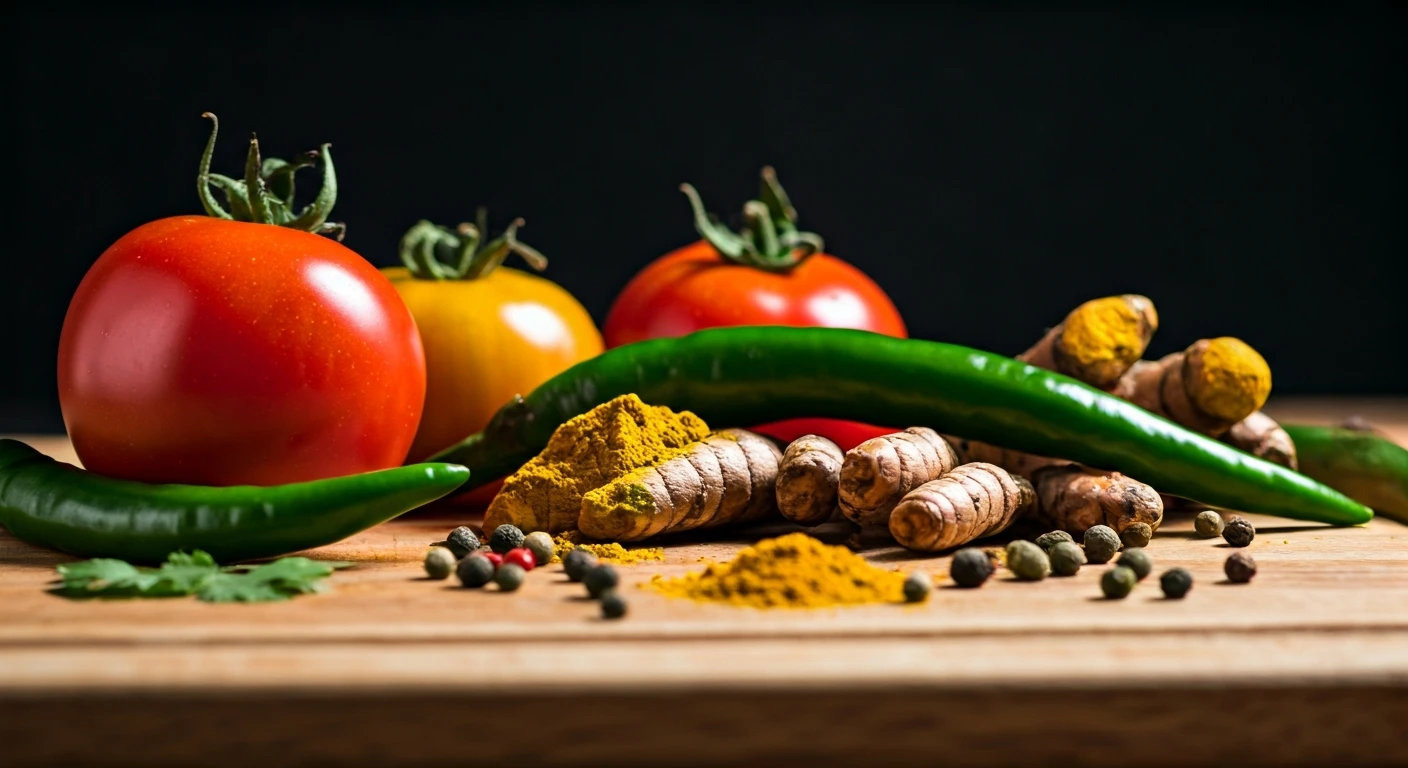
Punjabi cuisine's distinctive flavors and potential health benefits come from its spices and herbs. Turmeric, a key ingredient, is known for its anti-inflammatory properties. Coriander adds a distinctive flavor profile. Other common spices include cumin, cardamom, and garam masala. These spices not only enhance flavor but also contribute antioxidants and nutrients. Fresh herbs, such as coriander, mint, and fenugreek, are used to provide freshness and additional nutrients. While spices and herbs don’t contribute significantly to macronutrients, their inclusion in the diet boosts overall nutrient intake and has antioxidant effects. The use of spices adds depth to the food, which can potentially improve digestion and offer various health benefits. Utilizing a variety of spices in moderation can make the diet healthier and more enjoyable. These additions contribute to a more balanced and beneficial dietary approach.
Vegetables and Legumes
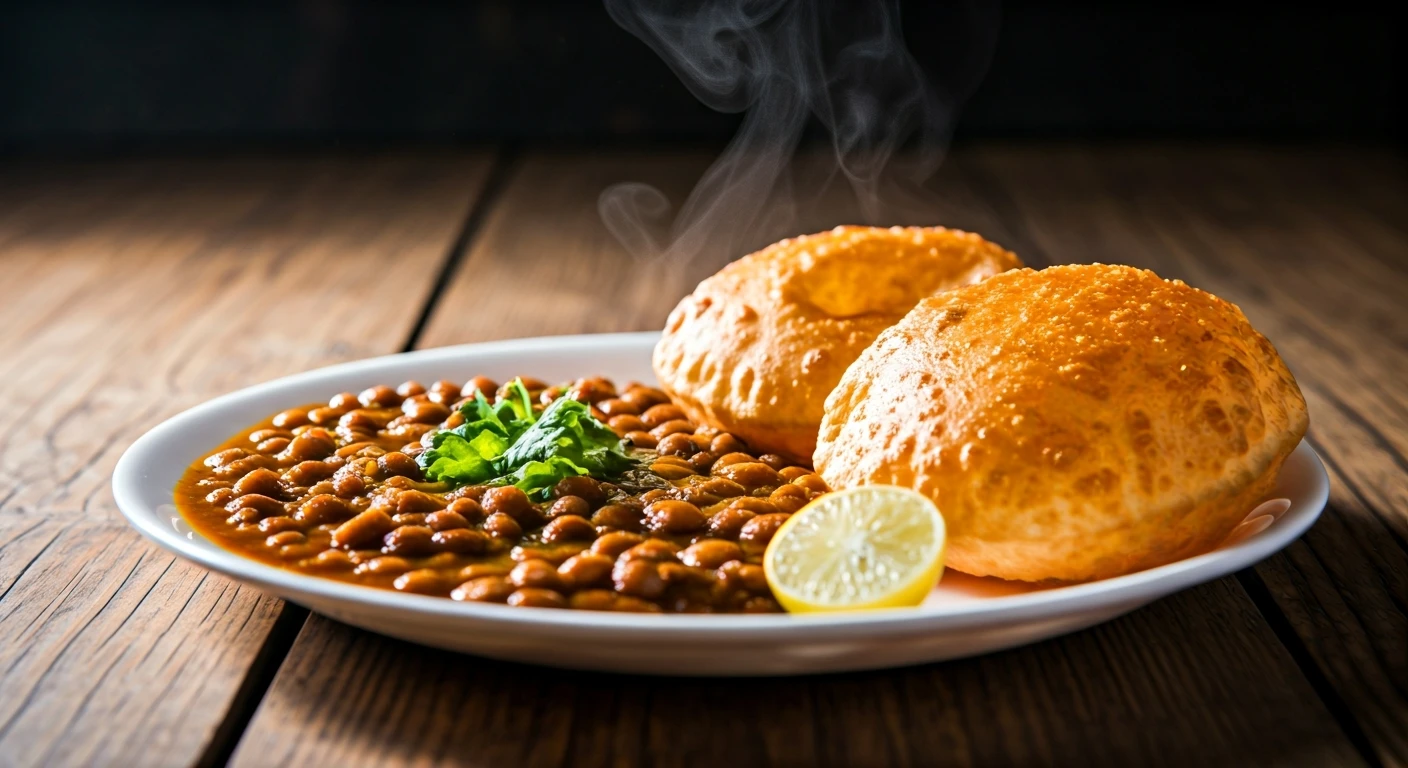
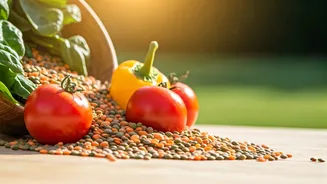
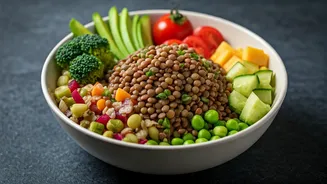
Vegetables and legumes form another component in a well-rounded Punjabi diet. Dishes like saag (leafy greens) and various vegetable curries provide essential vitamins and minerals. Legumes, like lentils and chickpeas, offer protein and fiber. Fiber is important for digestion. Vegetables help regulate bodily functions. The fiber content supports digestive health. Legumes offer plant-based protein, which is helpful for various biological functions. The variety of nutrients in vegetables supports overall health. Dishes featuring vegetables and legumes contribute to a more balanced dietary approach. A balanced Punjabi diet combines different food groups, and the inclusion of fresh ingredients helps. The inclusion of vegetables and legumes adds both nutritional diversity and benefits to the overall diet.
Healthy Food Choices
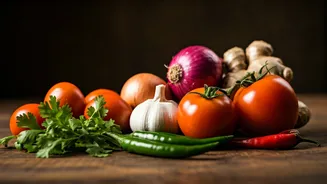
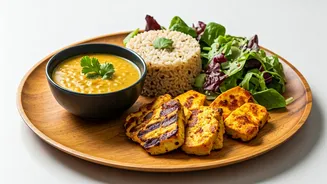
Making informed choices can make a Punjabi diet healthier. Focus on whole grains, legumes, and lean protein options. Opt for dishes prepared with less ghee and oil. Include more vegetables and leafy greens in meals. Select leaner cuts of meat and enjoy dairy products in moderation. Portion control is also key. Eat in balanced quantities to manage calorie intake. Consider incorporating fresh herbs and spices to enhance flavor. Choosing methods like grilling and baking over frying can lower the fat content. By prioritizing nutrient-rich options, the enjoyment of flavors can coexist with mindful eating. These decisions ensure a healthier nutritional intake. Being aware of the ingredients and preparation styles used in a particular dish is also crucial.
Potential Health Advantages
Punjabi cuisine offers certain health advantages if consumed with awareness. Spices like turmeric and ginger have anti-inflammatory benefits. Legumes offer fiber. Foods like saag provide vital vitamins. However, the high calorie and fat content in certain dishes are worth considering. The focus should be on balancing flavors with nutritional intake. Enjoying the cuisine in moderation and selecting appropriate options supports better health. A well-planned Punjabi diet can provide a variety of nutrients and support various health needs. Making smart food choices helps gain the most from this cuisine. A thoughtful approach ensures that one can savor the flavors while promoting health and well-being. Focusing on fresh and balanced food options is important.