






The Glycemic Index Showdown
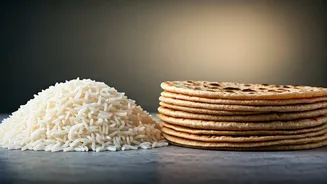
When it comes to managing acne, the Glycemic Index (GI) of your food is a critical factor. White rice, with its high GI of around 73 or more, causes rapid
spikes in blood sugar after consumption. This surge triggers a significant release of insulin and Insulin-like Growth Factor 1 (IGF-1). Elevated IGF-1 levels can wreak havoc on your skin by stimulating androgen hormones, which in turn, over-activate sebaceous glands. This leads to increased oil production, clogged pores, and ultimately, acne breakouts. In contrast, whole wheat roti boasts a much lower GI, typically around 62. Its slower digestion rate ensures a gentle, steady release of glucose into your bloodstream, preventing dramatic hormonal fluctuations and excessive oiliness, thereby promoting calmer, healthier skin.
Micronutrients for Skin Repair
A healthy skin barrier, crucial for repair and resilience, depends heavily on adequate vitamin and mineral intake. Whole wheat flour, being less processed, is a rich source of vital micronutrients like B vitamins, zinc, magnesium, and iron. These essential elements actively support skin cell regeneration and the overall repair processes of the skin. White rice, however, undergoes an intensive milling process that strips away these beneficial components, leaving it largely devoid of the nutrients your skin needs to thrive and recover from damage.
The Gut-Skin Axis Unveiled
Your skin is often a direct reflection of your internal digestive health. When your gut function is compromised, leading to sluggish digestion or constipation, toxins can accumulate in your body. This internal imbalance frequently manifests on your face as dullness or persistent pimples. Whole wheat roti plays a significant role in maintaining a healthy gut due to its high dietary fiber content. This fiber promotes smooth digestion, encourages regular bowel movements, and nourishes the beneficial bacteria in your gut microbiome. Conversely, the processing of white rice removes its fibrous bran and germ, resulting in a refined grain that offers minimal digestive advantages and can exacerbate gut issues.
Making the Smart Choice
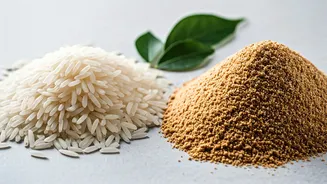
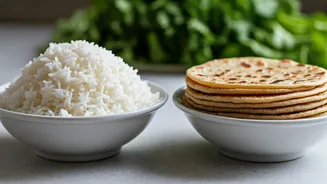
For individuals aiming for clearer, less oily skin, integrating whole wheat or multigrain roti into your daily diet is a highly recommended strategy. It aids in maintaining hormonal balance and keeps blood sugar levels under control. If rice remains your preferred choice, opt for brown rice instead of white. Brown rice retains its bran and germ, offering a lower glycemic index and a fiber profile comparable to roti, delivering similar anti-inflammatory benefits for your skin. Enhancing your meals with a generous portion of fiber-rich vegetables alongside either roti or brown rice will further contribute to improved skin health.
When Rice Wins the Round
While whole wheat roti generally emerges as the better option for skin health, there are specific scenarios where rice might be the superior choice. If you switch from highly processed white rice to brown or semi-brown rice, the playing field is leveled significantly. Brown rice, with its intact bran and germ, has a lower GI and a fiber content that rivals roti, providing comparable anti-inflammatory skin benefits. However, it's crucial to consider gluten. Roti contains gluten, which can trigger systemic inflammation in individuals with celiac disease, wheat allergies, or gluten sensitivities. For these individuals, this inflammation can manifest as severe skin issues like cystic acne, eczema, or rosacea, making naturally gluten-free rice the safer and more beneficial alternative.