
Outdated Cabinet Styles
As we look towards 2026, certain kitchen cabinet styles are being firmly relegated to the past, according to design professionals. Specifically, the ubiquity
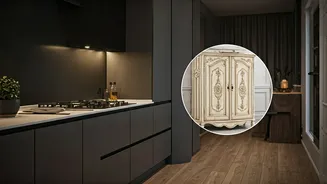
of oak cabinets, particularly those with a dated finish or profile, is a significant red flag for many. Designers often find that these can lend an uninspired and somewhat tired air to the entire kitchen space. While oak itself can be a beautiful material, the specific styles that were popular in previous decades are now perceived as lacking the contemporary flair that homeowners often seek. The emphasis is shifting towards sleeker, more modern designs that offer a cleaner aesthetic. This means moving away from overly ornate detailing or finishes that don't align with current design sensibilities. The advice here is clear: if your oak cabinets have a look that screams 'yesterday,' it might be time to consider a refresh or a complete overhaul to avoid making your kitchen appear unintentionally old-fashioned to potential buyers or simply to your own eyes.
Regrettable Tile Choices
When it comes to kitchen tile, certain color palettes and patterns are consistently cited by designers as choices people often come to regret. The key takeaway is to avoid tile colors that actively date the entire room, rather than complementing it. For instance, overly vibrant or specific earthy tones that were trendy years ago can now make a kitchen feel decidedly out of sync with modern design. Similarly, busy and intricate tile patterns, especially in bathrooms, can quickly become an eyesore, creating a cluttered visual effect that detracts from the overall cleanliness and sophistication of the space. Designers urge homeowners to opt for timeless and versatile colors and patterns that provide a solid foundation for other design elements, rather than becoming a dominant, and potentially jarring, feature. The goal is a cohesive look where the tile enhances, not hinders, the overall appeal of the kitchen or bathroom.
Kitchen Island Mistakes
Kitchen islands are a popular feature, but designers point out several styles that are particularly outdated and should be avoided. These often include islands that are overly elaborate in design, perhaps with excessive decorative elements or a shape that feels cumbersome and impractical. Another common pitfall is an island that is simply too large for the space, making the kitchen feel cramped and difficult to navigate. The trend is moving towards islands that are not only aesthetically pleasing but also highly functional, seamlessly integrating into the workflow of the kitchen. This might mean a more streamlined design, perhaps with built-in storage or seating that enhances usability without overwhelming the room. The emphasis is on creating a central hub that is practical and visually harmonious with the rest of the kitchen's design, rather than a bulky statement piece that detracts from the overall balance and flow of the space.
Troublesome Kitchen Elements
Several kitchen elements, if not chosen carefully, can significantly detract from the overall look and feel of the space, according to design experts. One major concern is the presence of what are termed 'kitchen eyesores' – elements that are simply unappealing and ruin the aesthetic. This can range from poorly maintained surfaces to jarring design choices that clash with the rest of the kitchen. Another common issue is clutter; things that are actually making the kitchen look bad often stem from poor organization or an abundance of unnecessary items. Furthermore, specific 'upgrades' can backfire spectacularly, making a home look tacky rather than improved. These are often superficial additions that lack genuine design merit. Finally, kitchen layout tricks that make a space feel cramped are also a major no-no. Think about how the entire space flows and what elements contribute to a feeling of openness and functionality, rather than a sense of being overcrowded and disorganized.