


Blue and White Palette
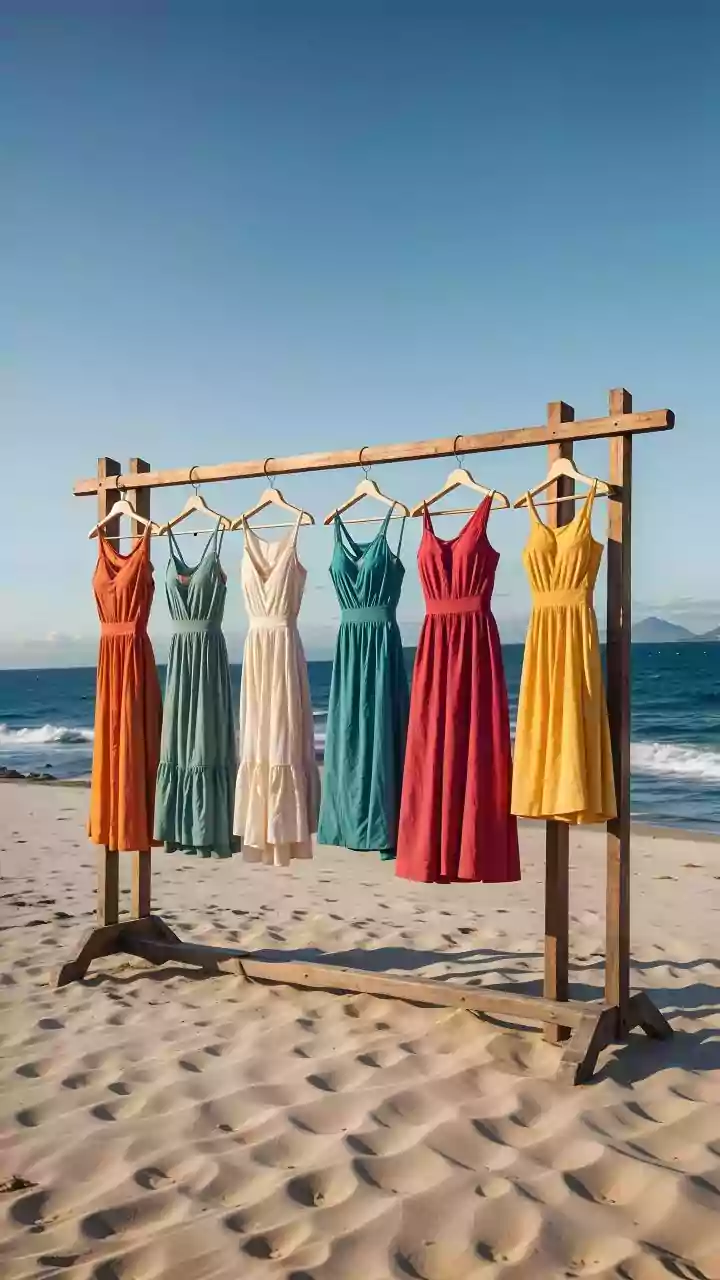
A dominant colour combination that permeated the Lakmé Fashion Week 2026 runways was the striking pairing of blue and white. This versatile palette transcended
predictable nautical themes, appearing across a spectrum of designs from casual denim iterations to sharp, tailored ensembles and elegant evening wear. Designers presented distinct interpretations of this duo; for instance, Payal Pratap infused deep indigo hues into structured pieces and denim, while Abraham & Thakore utilized the palette for clean, architecturally inspired separates and sari-inspired forms. AFEW by Rahul Mishra incorporated this colour story into sophisticated evening gowns, showcasing his signature detailed surfaces. Other labels, such as Pawan Sachdeva and Péro by Aneeth Arora, featured extensive use of indigo tones throughout their entire collections, solidifying blue and white as a defining colour trend of the season.
Focus on Wearability
A significant shift observed at Lakmé Fashion Week 2026 was the pronounced emphasis on wearable designs. Many collections presented garments that could effortlessly integrate into daily wardrobes, bridging the gap between the runway and real life. Rahul Mishra exemplified this by creating looks that celebrated intricate craftsmanship while remaining accessible and practical for everyday wear. A prime example was actor Ananya Panday's appearance in a refined blazer and a tennis-style skirt, embodying a polished, modern, and thoroughly wearable aesthetic. Other designers, including Abraham & Thakore, Verandah by Anjali Patel Mehta, and Satya Paul, offered collections that exuded effortless elegance through printed co-ord sets, fluid dresses, kaftans, and relaxed tailoring, suggesting a move towards fashion designed for genuine everyday living rather than purely for visual display.
Craft and Sustainability
The integration of sustainability through traditional craft techniques emerged as another pervasive theme throughout the week. Instead of treating sustainability as a standalone concept, designers wove it intrinsically into their creative processes. Rahul Mishra continued to champion hand embroidery and the use of natural fibres, highlighting a production methodology deeply connected to artisan communities and more deliberate making practices. Péro by Aneeth Arora showcased handwoven textiles and relaxed silhouettes, demonstrating how artisanal craft can be seamlessly incorporated into contemporary fashion for everyday wear. Kartik Research also heavily embraced handmade elements, using textured layering, patchwork, and detailed embroidery to underscore the value of artisanal work. Meanwhile, labels like Ritika Mirchandani focused on structured designs and precise construction, proving that mindful production can coexist with a strong visual statement. Techniques such as hand weaving, intricate embroidery, block printing, and patchwork were prominently featured, reflecting a broader industry movement towards thoughtful fashion with an emphasis on material durability and small-scale production.
Sculptural Silhouettes
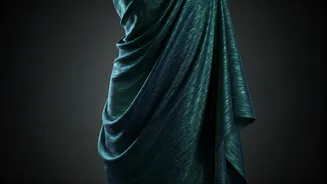
Dresses and gowns featuring sculptural construction and dramatic volumes were a notable highlight on the runways. The bubble or balloon silhouette, in particular, stood out as a key shape of the season, manifesting in dresses and skirts that played with volume and dynamic movement. Designers like Aisha Rao explored bold shapes and expressive forms through statement evening wear. Other designers balanced structured elements with fluid designs. Anamika Khanna's 'White Gold' collection, commemorating two decades since her debut at Lakmé Fashion Week, featured garments made from handloom cotton and Chanderi, drawing subtle inspiration from classical drapery with a deliberately unfinished aesthetic. Accompanying these were structured blazers and coats, adorned with delicate motifs for understated complexity. This interplay between fluid femininity and architectural structure resulted in silhouettes that were both visually striking and practically achievable.
Menswear's Rise
Menswear commanded significant attention at Lakmé Fashion Week 2026, underscoring its growing importance in the Indian fashion landscape. The opening showcase, aptly titled '_The Boys Club_', brought together diverse designers such as Countrymade, Dhruv Vaish, Vivek Karunakaran, and Sahil Aneja, each presenting their unique take on contemporary menswear. These collections explored everything from innovative denim applications and utilitarian designs to ceremonial textiles and layered tailoring, expanding the visual lexicon of men's fashion. Dhruv Vaish focused on structured forms and practical accessories, while Vivek Karunakaran reinterpreted traditional textiles like tussar and Kanjeevaram silk through a modern lens. Anamika Khanna's AK|OK line introduced fluid drapes and relaxed tailoring, prioritizing comfort over strict structure, and Kartik Research presented a collection rooted in handcrafted techniques and subtle details. Importantly, many of these designs challenged traditional gender norms, with adaptable separates and relaxed silhouettes suggesting a future where menswear and womenswear increasingly converge.