

Embrace Multi-Purpose Pieces
In smaller dwellings, furniture that serves dual purposes is invaluable. Opt for items like ottomans that double as storage or extra seating, or consider
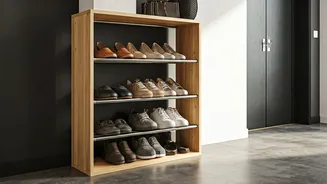
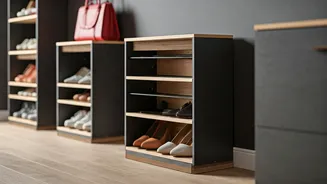
a dining table that can be folded away when not in use. Bed frames with integrated drawers or hidden compartments can significantly reduce the need for separate storage units, keeping your living area tidy. A sofa bed is another excellent choice for accommodating guests without dedicating permanent space. These versatile selections ensure each piece works harder, minimizing the overall furniture footprint and freeing up valuable floor area. By consolidating functions, you prevent the visual clutter that often accompanies an abundance of single-use items, contributing to a more open and organized environment.
Elevate with Leggy Furniture
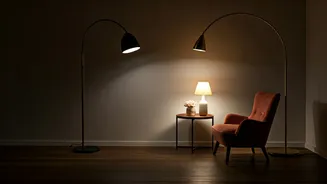
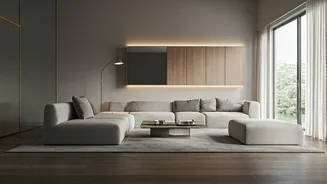
Choosing furniture that is raised off the ground can dramatically impact the perception of space. Pieces with visible legs, such as sofas, chairs, and tables, allow light and air to flow beneath them. This visual continuity creates an illusion of a larger floor area, making the room feel less confined. In contrast, bulky, floor-hugging furniture can make a small space feel heavy and cramped. By selecting items that are elevated, you invite more light into the room and trick the eye into seeing more open space, contributing to an overall airier and more expansive atmosphere. This simple design choice is a powerful tool for enhancing the sense of spaciousness.
Utilize Vertical Dimensions
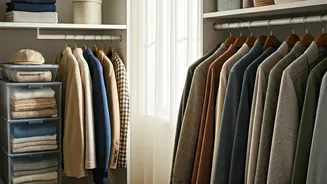
When floor space is at a premium, it's essential to look upwards. Maximizing vertical space offers a brilliant solution for both storage and decor in compact homes. Installing floating shelves allows you to display books, plants, or decorative items without occupying precious floor real estate. Tall, slender bookshelves or cabinets draw the eye towards the ceiling, creating an illusion of greater height. Wall-mounted organizers and hooks are also highly effective for keeping surfaces and floors clear of clutter. Consider utilizing the space above doorways or windows for additional shelving or artwork. By effectively using the vertical plane, you expand your usable area and maintain a sense of openness.
Opt for Light Hues
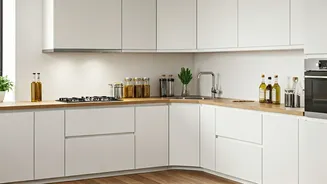
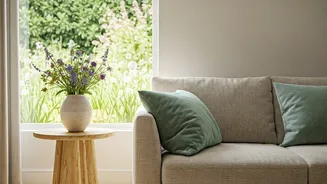
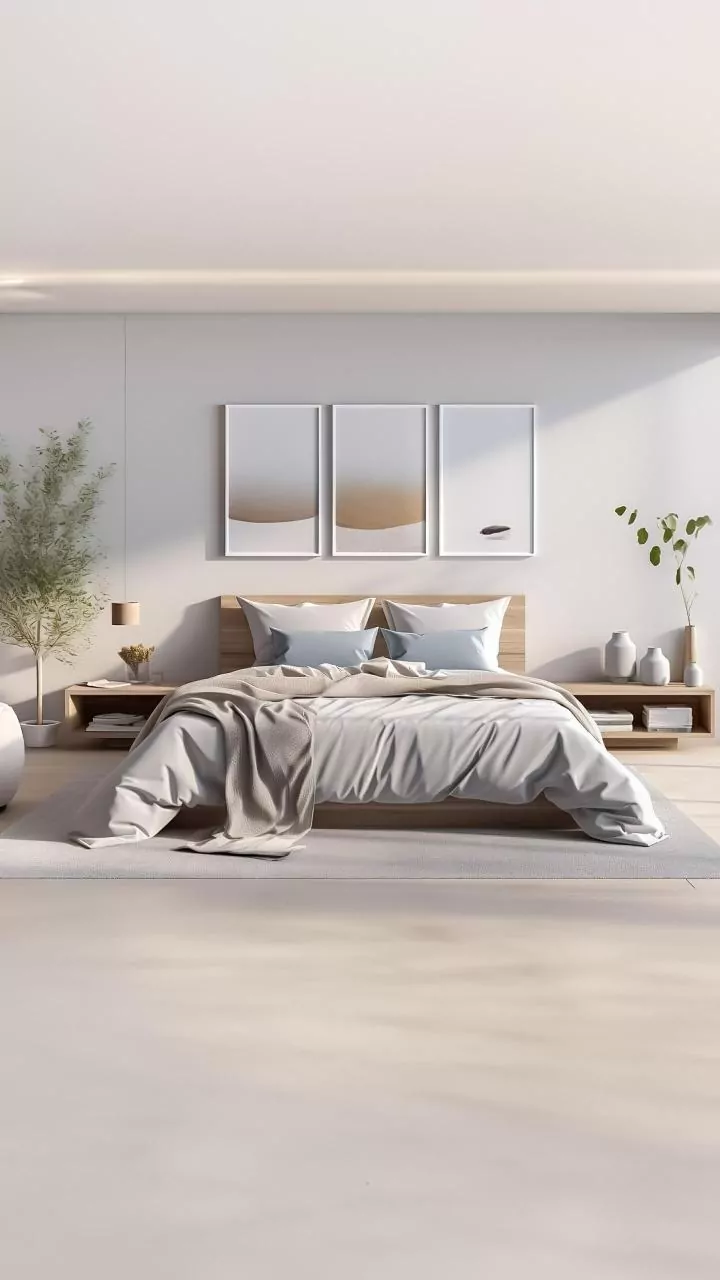
The impact of colour on perceived space cannot be overstated. Light and neutral tones, such as whites, creams, pastels, and soft greys, are highly effective at reflecting light, which in turn makes a room appear brighter and more expansive. Incorporate these colours not only in your wall paint but also in furniture upholstery and decorative elements. Furthermore, integrating reflective surfaces like mirrors, glass-top tables, and metallic accents can significantly amplify the effect. A strategically placed mirror, for instance, can visually double the size of a room by bouncing light and creating depth. These elements work together to create a luminous and airy environment that feels larger than it is.
Mindful Furnishing Choices
The most common pitfall in decorating small spaces is the temptation to overfill them with furniture. It is crucial to select pieces with intention, prioritizing functionality and necessity. Instead of cramming the room with numerous items, choose a few core pieces that serve essential purposes and contribute to the overall aesthetic. Avoid furniture that is disproportionately large for the room, as it can overwhelm the space and make it feel cramped. Conversely, overly small furniture can appear lost and make the room feel unfinished. Measure your available space carefully and select furniture that fits comfortably, ensuring clear pathways and a sense of unencumbered movement. Applying the principle of 'less is more' ensures a harmonious and visually spacious outcome.