





Understanding Thyroid Function
Thyroid-Stimulating Hormone (TSH), produced by the pituitary gland, is crucial for regulating metabolism via thyroid hormones T4 and T3. In hypothyroidism,
the thyroid underproduces these hormones, leading to elevated TSH levels as the pituitary tries to compensate. A typical TSH range for adults is 0.4–4.0 mIU/L, with higher levels often signaling an underactive thyroid. Subclinical hypothyroidism is identified by mildly elevated TSH with normal T4. Recognizing these levels is the first step in managing the condition, especially considering the high prevalence of hypothyroidism, particularly Hashimoto's and iodine-related forms, among women in India. While medication like levothyroxine is primary, dietary choices significantly impact overall thyroid health and the body's response to treatment.
Key Dietary Inclusions
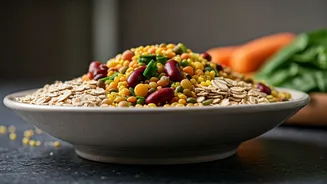
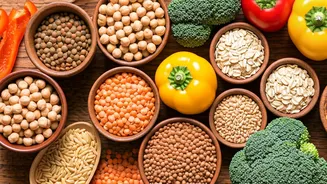
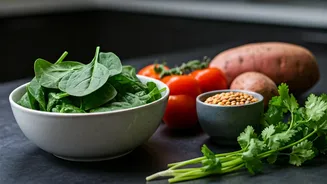
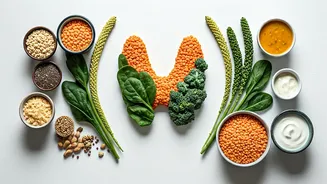
An Indian vegetarian diet plan for hypothyroidism emphasizes essential nutrients. Iodized salt is paramount for thyroid hormone production. Whole grains like oats, quinoa, and brown rice are preferred for their fiber content, aiding digestion and weight management. Seaweed is an excellent iodine source, especially for those needing to moderate salt intake. Selenium-rich foods such as barley and Brazil nuts are vital for hormone conversion and reducing inflammation; including 1-2 Brazil nuts daily is highly recommended. Garlic and onions offer antioxidants. Various dals like moong, masoor, and urad dal, along with pulses, provide protein and zinc, crucial for thyroid function. Antioxidant-rich berries, fiber-rich apples, avocados, and other fruits like papaya and kiwi are beneficial. A wide array of vegetables including carrots, tomatoes, lady's finger, pumpkin, and mushrooms should be incorporated. Alfalfa sprouts and herbs like turmeric and cinnamon can also support metabolism and well-being. These selections form the foundation of a thyroid-supportive eating pattern.
Foods to Approach With Caution
Certain foods require mindful consumption in a hypothyroidism diet. While cruciferous vegetables like cabbage, cauliflower, and broccoli are nutritious, their goitrogenic compounds can interfere with iodine uptake, especially in iodine-deficient individuals. Cooking them thoroughly significantly reduces this effect, making them safe in moderation (1-2 servings weekly). Soy products (tofu, soy milk) contain phytoestrogens that may disrupt thyroid hormone function and are best limited to once a week or avoided altogether. Millets, particularly bajra, can also be goitrogenic and are recommended in small, cooked portions occasionally. Nuts like almonds, cashews, and peanuts contain thyroid-inhibiting compounds and should be consumed in small quantities a few times a week. Gluten-rich foods (wheat, barley, rye) may worsen autoimmune thyroiditis in sensitive individuals. Processed, packaged, and refined foods should be avoided due to their inflammatory potential and lack of nutrients.
Thyroid-Friendly Indian Recipes
Nourishing meals play a key role in managing hypothyroidism. Low-Calorie Dal Makhani, made with urad dal and rajma, provides protein and iron to combat fatigue. Oats Khichdi is a nutrient-dense, high-fiber, and easily digestible option. Buckwheat Pancakes offer gluten-free fiber and minerals, with added benefits from curds, ginger, turmeric, and bottle gourd for gut health and energy. Oats Moong Dal Tikki combines protein from moong dal and fiber from oats, supporting digestion and energy. Moong Dal Methi Sabzi is rich in fiber, antioxidants, and iron, aiding digestion and reducing inflammation. Pyaz Wali Bhindi is low in calories and high in fiber, beneficial for weight management and blood sugar control. Barley and Moong Dal Khichdi offers a wholesome, digestible meal, with barley being a good selenium source. These recipes focus on whole ingredients, balanced nutrition, and gentle preparation methods ideal for thyroid support.
Supplements and Essential Considerations
While diet is foundational, certain supplements can be highly beneficial for individuals with hypothyroidism, especially in the Indian context where deficiencies are common. Selenium, crucial for thyroid hormone conversion and reducing antibodies, can be obtained from 1-2 Brazil nuts daily or supplements (100-200 mcg). Zinc is vital for hormone synthesis and immune balance; deficiency is frequent in vegetarians, and supplementation (15-30 mg elemental) is often needed. Vitamin D deficiency is widespread in India, impacting thyroid autoimmunity, fatigue, and mood; supplementation (1000-2000 IU daily) is recommended if levels are low. A Myo-Inositol and Selenium combination shows promise for reducing thyroid antibodies and improving TSH. It's imperative to test levels before starting long-term supplements and always discuss with an endocrinologist due to potential interactions with levothyroxine. Adhering to a 4-hour gap between thyroid medication and supplements like calcium or iron is critical for proper absorption.
Common Pitfalls and Lifestyle Support
Avoiding common mistakes is as important as adopting good dietary habits for hypothyroidism management. Consuming tea or coffee immediately after thyroid medication significantly hinders levothyroxine absorption; a 30-60 minute gap is essential. Eating raw cruciferous vegetables daily can interfere with iodine uptake. Over-reliance on soy products may disrupt thyroid hormone function. Misconceptions about all millets being detrimental can lead to missing out on valuable nutrients; cooked bajra and ragi are fine in moderation, with barley and oats being excellent alternatives. Taking iron, calcium, or multivitamins too close to thyroid medication impairs absorption. Switching to non-iodized salt can worsen iodine deficiency. Focusing solely on iodine while neglecting selenium and zinc can perpetuate fatigue. Prioritizing a balanced, high-fiber breakfast over refined carbohydrates helps manage energy levels and metabolism. Beyond diet, adequate sleep and regular moderate exercise, like a 30-minute walk, are vital for overall thyroid health and well-being.