





Australia: Island Continent
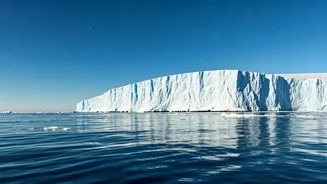
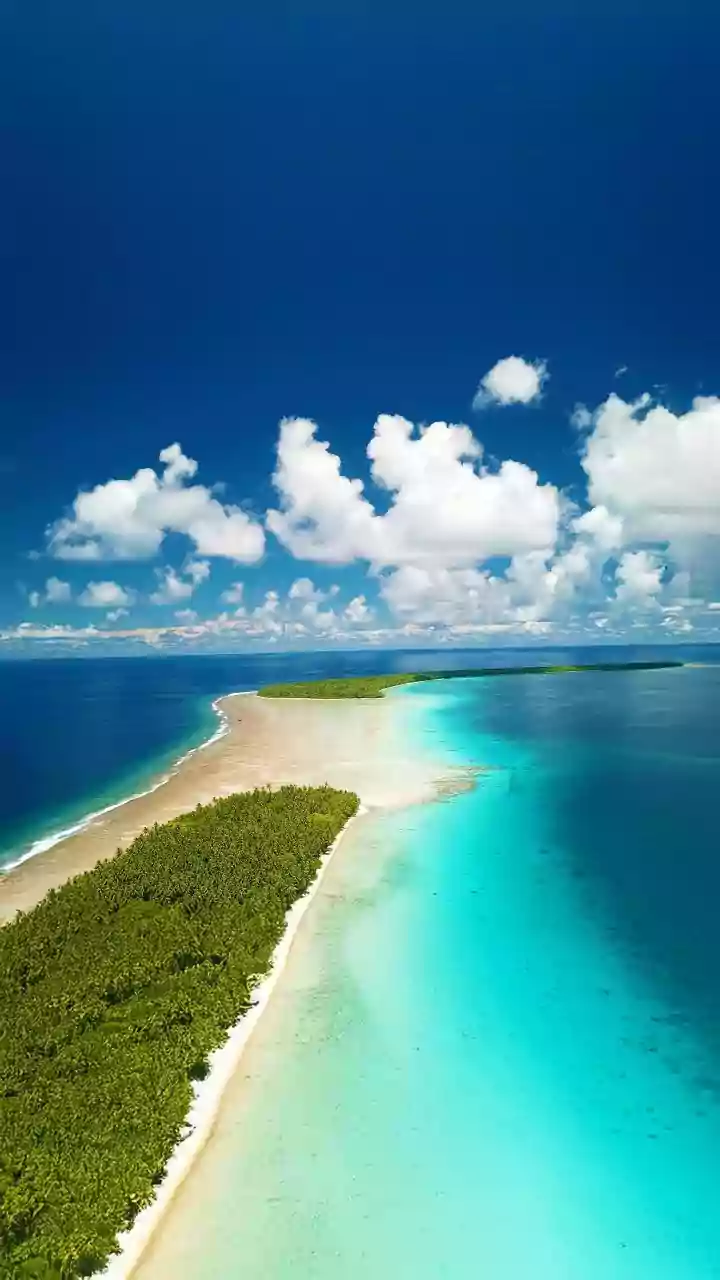
Australia, an island continent, is entirely surrounded by water, making it a nation without any land borders. This geographical trait significantly shapes
its interactions and relationships with other countries. The absence of shared land boundaries also impacts Australia's defense strategies and trade dynamics. Because of its island status, Australia is also protected from overland invasions, which has shaped its history and development.
New Zealand's Solitude
Similar to Australia, New Zealand is an island nation that enjoys complete isolation from any neighboring countries due to its oceanic boundaries. This isolation has allowed New Zealand to develop a unique cultural identity, separate from the influences of continental neighbors. The lack of land borders has also influenced its tourism, with a focus on its natural beauty. Additionally, New Zealand's geographic position has historically affected its immigration policies, shaping its demographic composition over time.
Iceland: North Atlantic
Iceland, an island country in the North Atlantic, is another example of a nation without land borders. Its position has shaped its economic activities, with a strong emphasis on fishing and marine resources. The remoteness of Iceland also influences its environmental policies, which emphasize conservation efforts. Moreover, Iceland's geographic location has played a role in its political alliances and strategic importance in the region. Due to its unique geographical setting, Iceland has developed a distinctive culture, influenced by its natural environment and historical context.
Land Border Defined
A land border is a defined boundary that separates the territories of two or more countries. These boundaries are typically established through agreements and treaties, delineating the extent of each nation's sovereignty. Land borders serve a variety of purposes, including customs control, immigration checks, and the regulation of cross-border trade. They also influence political relations, and can be the sites of conflicts, cooperation, and economic exchange, depending on the historical and geopolitical context. The nature of these borders is often subject to change due to shifts in geopolitical dynamics or as a result of international negotiations.