





The Natural Beauty Shift
The beauty industry is experiencing a profound transformation, moving beyond superficial product appeal to a deeper consumer interest in what goes into
their skincare and haircare. This isn't just a fleeting trend; it represents a fundamental shift in consumer attitudes, where functionality is now equally, if not more importantly, matched by an understanding of product composition. Brands are responding by not only incorporating well-known plant-based ingredients but also by actively exploring new botanicals and refining extraction techniques. This evolution signifies a move towards a more conscious and informed approach to beauty, where the origin and efficacy of ingredients are paramount. The focus is now on discovering potent natural sources and enhancing their inherent benefits through scientific advancements, ensuring that the final products deliver tangible results for diverse consumer needs.
Aloe Vera's Hydrating Magic
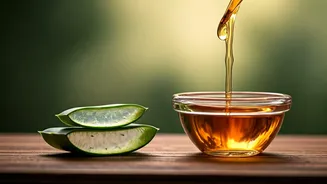
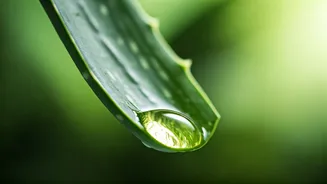
Aloe vera, a staple in many Indian households, offers remarkable hydrating properties. Scientifically, its efficacy stems from polysaccharides, which act as humectants, drawing moisture to the skin and aiding in cell regeneration. This dual action makes it an exceptional ingredient for both skincare, promoting a supple complexion, and haircare, contributing to healthier strands. Its long-standing presence in traditional remedies is now validated by scientific understanding, highlighting its value in modern cosmetic formulations. The gel's soothing and restorative qualities are attributed to its rich composition, making it a versatile component for addressing dryness and supporting skin and hair health.
Apple Cider Vinegar's pH Balance
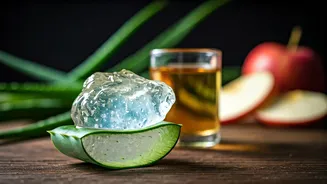
Apple Cider Vinegar (ACV) has rapidly gained prominence in the beauty sector due to its powerful cleansing and pH-balancing capabilities. Its high acetic acid content is crucial for restoring the scalp's natural pH, effectively removing product buildup and impurities. This acidic nature helps to clarify the scalp, creating an optimal environment for healthy hair growth. Beyond its clarifying effects, ACV can also contribute to hair's shine and manageability. Its transition from a kitchen staple to a sought-after cosmetic ingredient underscores the growing appreciation for natural products that offer targeted solutions for specific concerns, particularly in haircare.
Onion Oil for Hair Strength
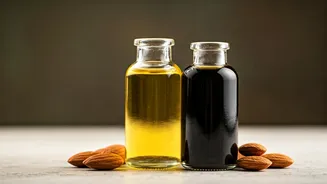
Onion oil, despite its distinct aroma, is a valuable ingredient for hair health, primarily due to its rich sulfur content. Sulfur is a key component in the production of keratin, the protein essential for strong, resilient hair. By boosting keratin development, onion oil helps to fortify hair strands, potentially reducing breakage and promoting thicker-looking hair. This ingredient exemplifies how traditional remedies, when backed by scientific understanding of their active components, can offer potent solutions for common hair concerns. Its inclusion in modern formulations highlights the ongoing trend of leveraging nature's bounty for scientifically proven benefits.
Beyond the Basics: Charcoal & Tea Tree
The array of natural ingredients making waves in beauty extends to activated charcoal and tea tree oil, each offering distinct benefits. Activated charcoal is celebrated for its exceptional adsorptive properties, making it highly effective at drawing out impurities from pores and deep-cleaning the skin. It's a go-to ingredient for detoxifying masks and cleansers. Tea tree oil, on the other hand, is renowned for its potent natural antibacterial and antifungal attributes. This makes it an invaluable ingredient for tackling various skin issues, particularly acne and blemishes, by targeting the microorganisms responsible. The popularity of these ingredients is driven by their direct and effective resolution of specific skin concerns.
Nature Meets Science: The Efficacy Equation
A common misconception in the beauty industry is that 'natural' automatically equates to 'superior.' While natural ingredients offer immense potential, their effectiveness hinges significantly on how they are processed and formulated. The true power lies in the synergy between nature and science. Isolated natural ingredients might not always yield consistent results, emphasizing the critical roles of precise formulation, stabilization techniques, and optimal concentration levels. Modern beauty brands must act as educators, demystifying ingredient science for increasingly informed consumers who are navigating a complex market. Transparency regarding ingredient sourcing and benefits is paramount, ensuring that consumers understand how these potent natural elements are transformed into effective beauty solutions.