






Hidden Costs Explained
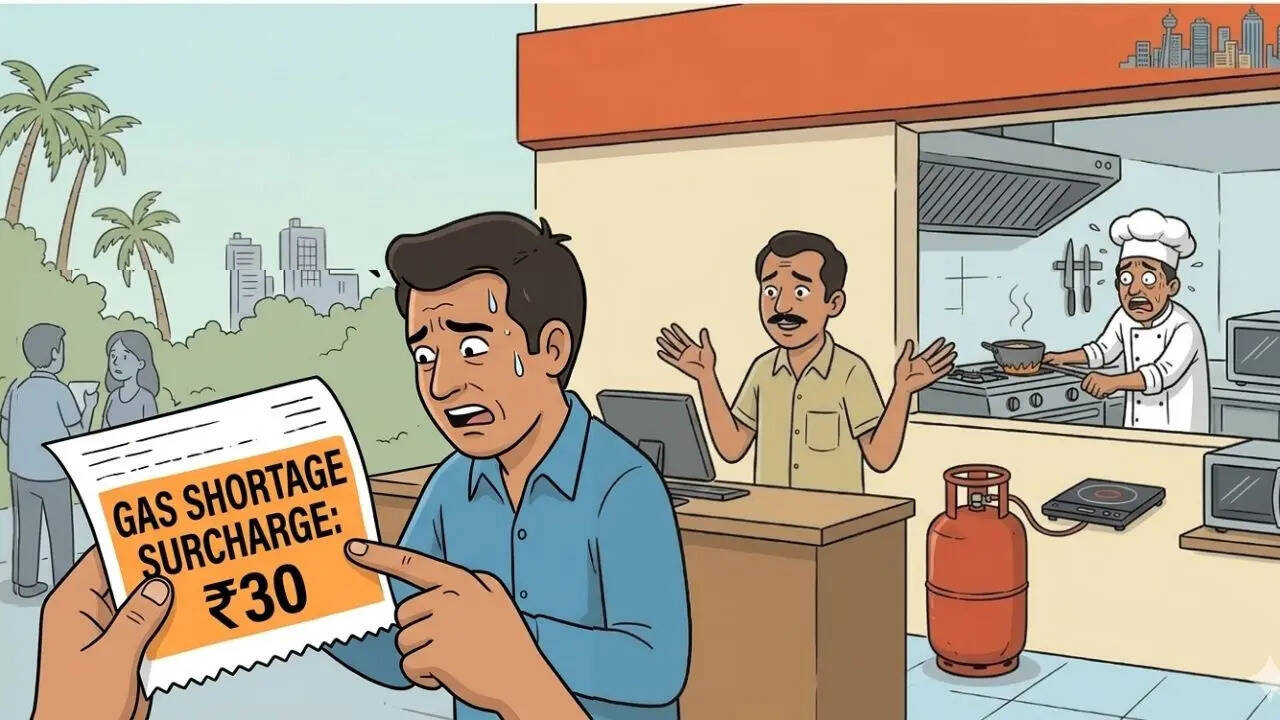
Recent discussions surrounding LPG availability have brought a new concern to light, directly impacting your dining expenses. Many restaurants and eateries
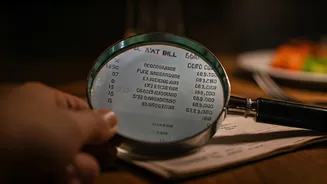
have begun adding specific line items, often labelled 'LPG charges,' 'fuel cost recovery,' or 'gas surcharge,' to their bills. However, consumer protection authorities have stepped in, issuing advisories that highlight these additional charges as a potential unfair trade practice. The core principle here is that operational expenses such as gas, electricity, and general running costs are fundamental to the business's operation and should inherently be factored into the prices displayed on the menu. When these are itemized separately and mandated for payment, it creates a situation where consumers are unwittingly paying more than the advertised price, often without recourse or the option to decline.
Government's Stance
The Central Consumer Protection Authority (CCPA) has clarified its position on these added charges. Their directive is straightforward: restaurants and hotels are prohibited from automatically imposing 'LPG charges' or any similarly designated fees. The price advertised on the menu should represent the final cost to the consumer, excluding only applicable taxes. Consumers should not be coerced into paying any supplementary amounts unless they voluntarily agree to do so. Importantly, the CCPA has indicated that merely relabeling a charge does not legitimize it if it's added as a default. Such practices, when applied automatically, can be construed as a violation under the Consumer Protection Act of 2019, underlining the government's commitment to safeguarding consumers from deceptive billing practices.
Your Consumer Action
If you find yourself facing an unexpected 'LPG charge' or similar fee on your restaurant bill, you have clear avenues for action. Your immediate step is to politely request the restaurant management to remove the charge from your bill. Should the establishment be unwilling to comply, or if you wish to escalate the matter, you can lodge a complaint. The National Consumer Helpline is accessible by dialing 1915 or through their dedicated mobile application. Further options include filing a formal complaint via the e-Jagriti portal or directly approaching the District Collector or the CCPA itself. The authority is actively monitoring such cases, and instances of non-compliance may result in appropriate action being taken against errant establishments.