





The Roasting Advantage
Roasting asparagus at a high temperature is a culinary game-changer, transforming humble spears into a vibrant and flavorful side dish. The intense heat
rapidly evaporates surface moisture, concentrating the natural sugars within the asparagus. This process accelerates the Maillard reaction and caramelization, leading to those desirable lightly browned edges and a sweet, nutty undertone. Crucially, arranging the asparagus in a single layer on a baking sheet is paramount. This arrangement ensures each spear receives direct exposure to the hot air, promoting dry heat circulation which is essential for roasting rather than steaming. Steaming would result in a limp, watery texture, negating the intended crispness. The oil applied to the asparagus acts as a conductor for this heat, ensuring even cooking and aiding in the transfer of flavor compounds, enhancing the overall taste and mouthfeel.
Essential Ingredients
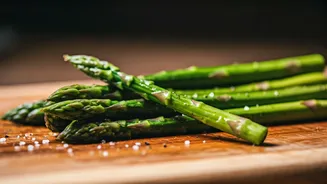
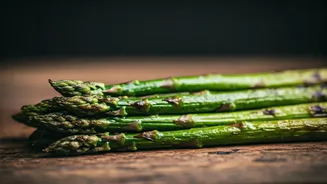
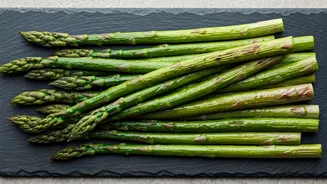
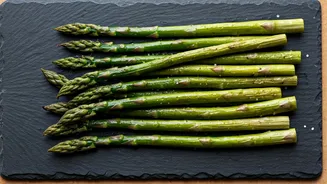
To create this delectable roasted asparagus, you'll need a few key components. Fresh asparagus, ideally sourced during its peak season from February to June, is the star. Look for bright green, firm stalks; thicker spears offer a more substantial bite, while thinner ones cook more quickly and provide a delicate texture. A modest amount of olive oil is crucial. Just a tablespoon or so is enough to lightly coat the asparagus, facilitating even heat distribution and preventing the spears from drying out during the roasting process. Seasoning is kept simple yet effective with kosher salt and freshly ground black pepper. These basic seasonings highlight the asparagus's natural, slightly grassy sweetness without overpowering it, allowing the vegetable's inherent flavors to shine through.
Simple Preparations
Getting your asparagus ready for the oven is a quick and straightforward process. Begin by rinsing the spears under cool water to remove any residual dirt, and then thoroughly pat them dry with a clean towel or paper towels. This step is critical to prevent steaming and encourage browning. Next, you'll need to remove the tough, woody ends. The easiest way to identify these is to hold a spear and bend it gently; it will naturally snap at the point where the tender part meets the fibrous end. Alternatively, you can use a knife to trim off approximately the bottom 1 to 2 inches. For particularly thick stalks, employing a vegetable peeler to shave off the outer layer of the lower portion can further enhance tenderness and yield. Once prepped, arrange the asparagus in a single, even layer on a rimmed baking sheet, ensuring there's adequate space between each spear.
Seasoning and Roasting
With the asparagus prepared and laid out on the baking sheet, it's time to season and roast. Drizzle the asparagus with about a tablespoon of olive oil, then sprinkle generously with kosher salt and freshly ground black pepper. Gently toss the spears with your hands or tongs to ensure they are evenly coated with the oil and seasonings. This even coating is vital for consistent heat transfer and flavor distribution across all the asparagus. Place the baking sheet into a preheated oven set to 400°F (204°C). The high heat is key to achieving that perfect tender-crisp texture. Roast for approximately 8 to 10 minutes. To ensure uniform cooking, it's beneficial to give the baking sheet a gentle shake about halfway through the roasting time. The asparagus is ready when it's tender to the bite with lightly browned, slightly crisp edges.
Flavorful Variations
While simple roasted asparagus is delicious on its own, this recipe is wonderfully adaptable to a variety of flavor enhancements. For an allium kick, incorporate minced fresh garlic or sprinkle with garlic and onion powders before roasting. A squeeze of fresh lemon juice or a scattering of lemon zest after cooking provides a bright, zesty contrast. Consider roasting lemon slices alongside the asparagus for an infused citrus flavor. For a touch of richness and savory depth, sprinkle grated Parmesan, Pecorino Romano, or even feta cheese over the hot asparagus just after it comes out of the oven. To add delightful texture, toss in toasted nuts like almonds, walnuts, pecans, or pine nuts. Fresh herbs such as parsley, dill, or thyme can be added at the end, or for a touch of heat, a pinch of red pepper flakes or chipotle powder will do the trick.