





Fashion's Future Unveiled
Forecasting fashion trends involves examining various aspects, including social, technological, and cultural changes. In 2026, it is anticipated that fashion will
continue to reflect global shifts. Sustainability is becoming more crucial, potentially leading to increased use of eco-friendly materials and ethical production practices. Technological advancements like AI could influence design and personalization, giving rise to unique customer experiences. The evolution of digital fashion could integrate into everyday lives, with virtual garments becoming more prominent. Furthermore, the convergence of diverse cultures may drive inclusive and innovative designs, making fashion more representative and accessible. Anticipate a dynamic period marked by innovation and adaptation.
Material and Technology
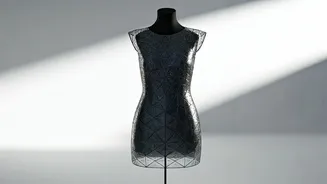
Material innovation is likely to be a central theme in 2026 fashion. Expect to see greater utilization of bio-based materials, as designers aim to minimize environmental impact. The integration of smart textiles that monitor health, regulate temperature, or change color based on environmental factors is also projected. 3D printing could allow on-demand customization and reduce waste by enabling precise fitting and made-to-order clothing. Furthermore, circular economy principles might become even more integrated, with a focus on durability, repairability, and recycling. Fashion is evolving beyond aesthetics; it's becoming a blend of functionality, sustainability, and technological advancement, reshaping how clothes are designed and consumed.
Cultural Influences Shaping Style
Cultural diversity will play a significant role in fashion during 2026. The exchange of ideas across cultures is likely to result in hybrid styles that merge traditional elements with modern designs. This could lead to a rich tapestry of influences, encouraging inclusivity and diverse representation. Street style could continue to evolve as a key driver, reflecting the authentic voices and identities of individuals. Social media and online communities will continue to be important in establishing trends, influencing tastes, and fostering dialogue about identity. As a result, fashion may become even more interconnected and influenced by a wider range of global perspectives, which promotes openness and creativity.
The Rise of Personalization
Personalization is poised to become a defining feature of the fashion of 2026. Customization options, enhanced by AI and digital technologies, will be readily accessible, enabling consumers to express individual styles. Bespoke and made-to-measure services could become more prevalent, catering to unique body types and preferences. Consumers will be able to customize designs and fabrics, making their style preferences their own. Digital tools might allow virtual try-ons, making personalized shopping a simple experience. The combination of technology and customization is likely to redefine the connection between consumers and fashion, offering opportunities for self-expression.
Sustainability's Continued Impact
Sustainability will be a key driver in the fashion industry in 2026. The impact will be noticeable in materials used, manufacturing practices, and waste management. Designers could incorporate eco-friendly fabrics. This trend pushes for transparent and ethical production processes, addressing the environmental and social impacts of the fashion industry. Circular fashion models, including clothing rental, resale, and upcycling, are likely to flourish, which promotes durability and resource efficiency. Consumers will be more conscious of their buying habits, supporting brands that demonstrate a commitment to sustainability. Fashion will not only look good but also reflect the values of the consumers, encouraging responsible production and consumption.