






Regional Flavours Emerge
Sambar, a cornerstone of South Indian cuisine, is far from a monolithic dish. Its preparation and flavour profile undergo significant transformations as
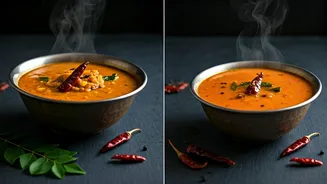
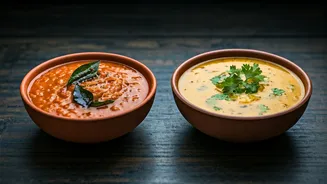
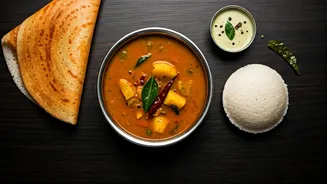
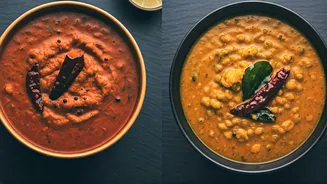
it travels across regions, each variation deeply rooted in local culinary traditions and consumption patterns. Chef Vinayak Shah points out that in Bengaluru and the broader Karnataka region, sambar often presents a slightly thicker consistency. This texture is often complemented by a delicate hint of sweetness, frequently achieved through the judicious use of jaggery. The spice blend, too, tends to be more robust, designed to harmonize with accompaniments like idli, vada, and dosa, creating a flavour dynamic that enhances these textures. Conversely, in Chennai and across much of Tamil Nadu, sambar typically adopts a more fluid, soupy consistency. This style emphasizes a more pronounced tanginess, primarily derived from tamarind, and a sharper, more assertive spice profile. This characteristic is largely influenced by its common pairing as a component of a full rice-based meal, where the flavour balance is finely tuned to complement the staple grain and other dishes served alongside it.
Vegetable Choices & Spice Roasting
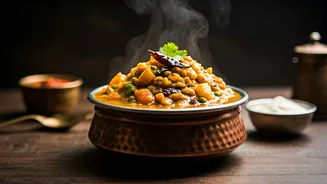
The divergence between Bengaluru and Chennai sambar extends beyond just consistency and primary flavour notes; it also encompasses the selection of vegetables, the intricate process of spice roasting, and the precise ratio of lentils to liquid. Food historian Pushpesh Pant offers insights into the historical underpinnings of these regional distinctions, suggesting that the sambar found in both cities represents unique evolutions potentially influenced by historical kingdoms. A popular legend traces sambar's origin to a royal cook in the Thanjavur court who, lacking kokum, innovatively used tamarind and vegetables to create a lentil stew, honouring King Sambhaji. While Chennai sambar is characterized by its spicier and tangier taste profile, attributed to a more liberal use of tamarind and often featuring a single, prominent vegetable like drumstick, brinjal, or pumpkin, Bengaluru sambar leans towards a milder, sweeter, and more aromatic experience. This is often achieved through the addition of jaggery and frequently incorporates a medley of vegetables. Pant further elaborates that Bengaluru style often utilizes freshly ground pastes, diverging from the reliance on pre-mixed sambar powder alone. This meticulous attention to ingredient selection and preparation methods crafts the distinct identity of each regional sambar.
Distinctive Palates & Preparation
Executive Chef Mohammed Eliyaz views both Bengaluru and Chennai sambar as equally valid yet distinct artistic expressions of the same fundamental dish. He describes Bengaluru-style sambar as being more 'rounded and comforting,' possessing a gentle sweetness, a rich aroma, and layered complexity stemming from freshly ground masalas. This approach creates a more nuanced and contemplative flavour experience. In contrast, Chennai-style sambar is characterized by its more 'direct and assertive' nature. It intentionally emphasizes tanginess and spice, with tamarind and sambar powder playing pivotal roles in imparting a sharper, more pronounced, and defined taste. This results in a cleaner and more invigorating flavour profile. Pant also highlights that while variations exist within the Tamil sambar tradition, most commonly include asafoetida (hing) and notably omit onions. He further connects Bengaluru sambar to the sweeter tendencies often found in Udupi cuisine. These differences, as underscored by Chef Shah, are not accidental but rather a deliberate reflection of ingrained regional cooking methodologies, the prevailing local palates, and the specific culinary role sambar fulfills within the broader context of a meal, demonstrating how culinary traditions adapt to local environments and preferences.
Culinary Philosophies & Textures
The evolution of regional sambar styles is a testament to varying culinary philosophies and how they manifest in taste and texture. Chef Eliyaz elaborates on this by explaining that in Bengaluru, the practice of freshly grinding masalas gradually builds layers of flavour, contributing to a rich, aromatic, and almost velvety body of the sambar. This methodical layering creates a deeply satisfying and complex dish. Conversely, in Chennai, the emphasis is on 'restraint and precision.' The careful calibration of sambar powder and the opportune addition of tamarind are crucial for achieving a cleaner, sharper, and more precisely defined flavour. Eliyaz metaphorically describes Bengaluru sambar as a 'complex, built-up symphony,' while Chennai sambar is likened to a 'disciplined, elegant composition,' with both styles firmly rooted in their shared, legendary origin. Food blogger Shubham Parikh echoes this sentiment, noting that the subtle differences become more apparent with repeated consumption. He observes that in some preparations, sambar feels fuller and subtly sweet, whereas in others, it presents as lighter with a more pronounced tanginess. The way the flavour lingers on the palate also differs; these nuances are more easily detected by those who regularly enjoy both styles, illustrating how ingrained local eating habits shape even the most cherished culinary traditions.