







A Culinary Tapestry
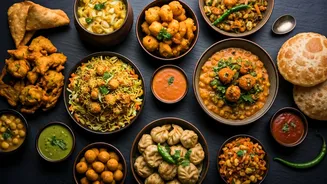
Delhi pulsates as India's undisputed street food capital, a vibrant metropolis where culinary traditions have been savored for generations. The city's
food narrative is deeply intertwined with its history, showcasing a rich tapestry of flavors that have evolved over centuries. From the aromatic lanes of Old Delhi, echoing with the legacy of Mughal cuisine, to the bustling bylanes of Chandni Chowk, Delhi's street food is more than just sustenance; it's a living historical document. This culinary heritage, passed down through families and communities, has cemented Delhi's status as a gastronomic powerhouse, serving a diverse populace across various strata of society and continuously evolving to meet the dynamic tastes of its residents and visitors alike. It's a place where every bite tells a story, a testament to the enduring spirit of Indian street food.
Paranthe Wali Gali's Legacy
Nestled within the labyrinthine alleys of Old Delhi, Paranthe Wali Gali stands as a testament to culinary endurance, serving stuffed parathas for over a hundred years. This iconic lane is renowned for its humble yet exquisite offerings, where each paratha is meticulously fried to a golden crisp on a traditional iron griddle, generously coated in ghee. The fillings are as diverse as they are delightful, ranging from comforting potato and paneer to surprisingly sweet concoctions like dry fruits and rabri. This culinary haven remains a cherished destination for both lifelong Delhiites and curious travelers, drawing them back repeatedly to experience its time-honored flavors and the unique warmth of its preparation.
Karol Bagh's Partition Spirit
The beloved dish of Chole Bhature in Karol Bagh carries the poignant spirit of India's Partition. Punjabi refugees, upon settling in this part of Delhi, brought with them cherished family recipes for puffed, deep-fried bread and spicy chickpea curry. What was once a comforting homemade meal transformed into a city-wide culinary sensation. This popular breakfast choice is best savored standing at a bustling street stall, often accompanied by a refreshing glass of lassi. The enduring popularity of Chole Bhature in Karol Bagh highlights how food can serve as a powerful link to heritage and a symbol of resilience, embodying the flavors that traveled across borders.
Old Delhi's Aloo Tikki
The origins of Delhi's famed Aloo Tikki are rooted in the entrepreneurial spirit of Old Delhi traders. These ingenious vendors devised the crispy, spiced potato patty as an ideal quick snack to energize shoppers navigating the crowded jewelry bazaars of the area. Served with an assortment of vibrant chutneys and cooling yogurt, Aloo Tikki provided a delightful and convenient respite. Its creation showcases the adaptability of street food, evolving to meet the practical needs of its consumers while retaining immense flavor and widespread appeal. This humble potato patty remains a beloved fixture, a testament to its historical significance and delicious simplicity.
Shahjahanabad's Kebab Heritage
The air in Shahjahanabad, the historical heart of Old Delhi and a former Mughal capital, is perpetually perfumed with the intoxicating aroma of charcoal-grilled meats. For generations, kebabs have been a staple here, crafted for easy consumption by the city's hardworking populace. Varieties like seekh, shami, and galouti kebabs each represent a distinct thread in the rich culinary history of Mughal India. These succulent morsels, designed for on-the-go enjoyment, continue to be immensely popular, offering a delicious connection to a bygone era of royal cuisine adapted for the common palate.
Nizamuddin's Nihari Tradition
Nihari, a slow-cooked meat stew traditionally prepared with beef, mutton, or occasionally chicken, is a cornerstone of Old Delhi's culinary landscape, especially in neighborhoods like Nizamuddin and around Jama Masjid. This hearty dish is simmered overnight on low heat, infused with a complex blend of spices including cardamom, cloves, cinnamon, and a proprietary nihari masala. Many establishments in these areas have been perfecting this rich and flavorful stew for decades, preserving a culinary art form that is deeply connected to the region's heritage. Nihari embodies a slow, deliberate cooking process that yields profound depth of flavor, making it a cherished culinary experience.
Chandni Chowk's Sweet Treat
Since 1884, the Old Famous Jalebi Wala in Chandni Chowk has been a beacon of sweet indulgence, expertly crafting the iconic bright orange spirals of fried batter. These delectable treats are immediately plunged into warm sugar syrup, resulting in a perfect balance of crisp exterior and a soft, chewy interior. The addictive sweetness and satisfying texture have made this humble jalebi shop a legendary destination. It stands as a symbol of timeless confectionery craftsmanship, consistently delighting locals and tourists alike with a taste that has remained unchanged and beloved for well over a century.