





Morning Metabolism Unpacked
Your body's metabolic processes behave differently in the morning due to an overnight fast, making it more sensitive to insulin. This heightened sensitivity
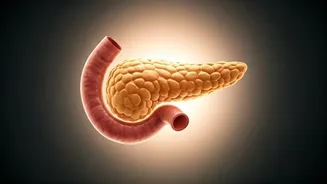
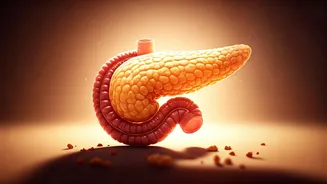
can sometimes lead to an overproduction of insulin by the pancreas, a state referred to as being 'overenthusiastic.' This excessive insulin release, coupled with natural early morning cortisol fluctuations, can result in a significant drop in blood sugar levels one to three hours after eating. This isn't typical diabetes-related hypoglycemia, but rather a metabolic overcorrection where an initial rapid rise in blood glucose is followed by an equally swift decline. This pattern, known as reactive hypoglycemia, is surprisingly common, particularly among individuals in India who may be in the pre-diabetic stage, signaling an early potential for metabolic dysfunction.
Breakfast Blame Game
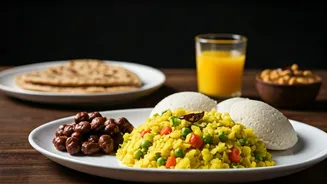
The composition of your breakfast plays a crucial role in these post-meal blood sugar dips. Consuming foods high in refined, rapidly digestible carbohydrates can cause an immediate surge in blood glucose, inevitably leading to a subsequent crash. Common culprits in the Indian diet include items made from maida (refined flour) like white bread, cornflakes, and even sugary masala chai. The diabetologist cautions that the softer, whiter, and more processed a breakfast food is, the greater the risk of triggering a significant sugar spike. Even traditional South Indian breakfasts such as idli, dosa, and poha can cause a quick glucose rise, often followed by a delayed insulin response that exacerbates the blood sugar drop. Symptoms like sweating, tremors, intense hunger, irritability, and lightheadedness appearing a couple of hours after eating, and subsiding with subsequent food intake, are key indicators of this phenomenon.
Balancing Your Plate
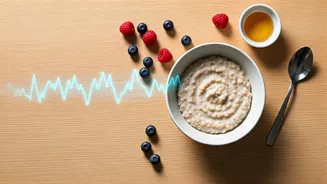
While not generally dangerous, these recurring dips are a signal that your metabolism might not be efficiently processing refined carbohydrates. Frequent or severe episodes, especially if accompanied by confusion or blackouts, warrant immediate medical evaluation. Likewise, if low blood sugar begins occurring in a fasting state, professional assessment is critical. The primary solution lies in adopting a balanced breakfast strategy: focus on combining protein, fiber, healthy fats, and low-glycemic index carbohydrates. This approach helps to prevent sharp sugar spikes. Recommended options that align with Indian culinary preferences include eggs with multigrain roti or a vegetable omelette, paneer bhurji or tofu scramble, sprouts chaat with nuts, Greek yogurt with seeds, and eggs, chicken, or fish served with sautéed vegetables.