






Sattvic Diet Explained
During the sacred observance of Chaitra Navratri, many individuals embrace a Sattvic diet, characterized by foods that are pure, natural, and easily digestible.
This dietary approach is believed to promote physical lightness and mental tranquility, aligning with the spiritual essence of the festival dedicated to Goddess Durga. The foundation of a Sattvic diet includes fresh fruits, vegetables, dairy products like milk and curd, nuts, and gentle seasonings. It's crucial to steer clear of overly pungent, excessively spicy, or heavily processed foods, as these are thought to disrupt the body's equilibrium and impede smooth digestion. The aim is to consume meals that support clarity and peace, creating an environment conducive to devotion and introspection throughout the nine days of fasting. The choices made in selecting ingredients, especially spices, play a significant role in maintaining this delicate balance.
Savory Spices for Fasting
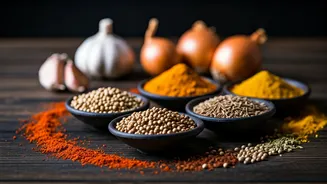
Navigating the nuances of spices during Navratri fasting can seem daunting, but several ingredients offer delightful flavor without compromising your adherence to Sattvic principles. Rock salt, or 'Sendha Namak,' is a cornerstone, serving as a pure and unprocessed alternative to common table salt, making it perfectly suitable for fasting meals. Cumin, or 'Jeera,' is another Sattvic staple; its warming essence and digestive benefits are widely recognized. It can be incorporated into various dishes or even sprinkled as roasted powder over fruits and yogurt. For a mild heat, black pepper ('Kali Mirch') takes precedence over red chili powder, offering a gentle warmth that aids digestion without being overly aggressive. Green cardamom ('Elaichi') is a fragrant gem, ideal for sweetening teas, desserts, and festive preparations with its refreshing aroma. Lastly, cinnamon ('Dalchini') can be used sparingly, adding a natural sweetness and warmth to herbal infusions and sweet treats, enhancing their appeal during this time of spiritual reflection.
Spices to Leave Behind
Certain spices are traditionally omitted during Navratri fasting to maintain the purity and lightness of the Sattvic diet. Fenugreek seeds ('Methi') are generally avoided due to their considered heating properties and strong flavor profile, which can be too intense for a diet focused on easily digestible foods. Asafoetida, or 'Hing,' is also typically excluded, primarily because most commercially available forms contain wheat flour as a binder, rendering them unsuitable for those observing strict fasting rules. Mustard seeds ('Rai') are another ingredient to set aside, as their potent and heating nature is deemed unsuitable for the gentle dietary requirements of the fast. Finally, red chili powder ('Lal Mirch') is a significant omission; its intense heat clashes with the Navratri principle of consuming light, balanced, and calming foods, thus it is carefully excluded from fasting kitchens to honor the spiritual significance of the festival.