





The Power of Baby Grasshopper
Shilpa Shetty's popular Instagram yoga series has introduced many to intricate poses, and her recent exploration of Bala Parsva Bhuja Dandasana, or the
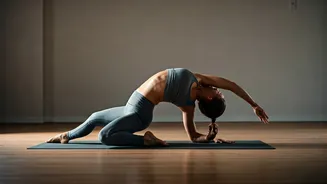
Baby Grasshopper Pose, is particularly noteworthy. This advanced arm-balancing posture offers a comprehensive workout, significantly strengthening the arms, wrists, shoulders, and the crucial core muscles. Beyond physical benefits, it plays a vital role in enhancing flexibility across the hips, spine, legs, thighs, and hamstrings. Furthermore, the pose is known to invigorate the digestive and reproductive systems, while simultaneously sharpening mental faculties like focus, concentration, and willpower. Vamsi Krishna Gadwala, Co-founder of Tapasvi Yogashram, elaborates that this pose deeply activates and fortifies the core, significantly improving balance, coordination, and overall body awareness. The twisting action inherent in the pose also aids in stimulating digestive organs, contributing to a well-functioning internal system. Moreover, consistent practice cultivates enhanced focus, discipline, and mental stability, fostering both physical and mental fortitude and resilience.
Building Towards the Pose
To safely approach the Baby Grasshopper Pose, a progressive strategy is essential, beginning with foundational yoga practices that prepare the body. Start by adopting Malasana, the yogic squat, which is instrumental in opening up the hips, creating the necessary space for deeper engagement. Following this, incorporate gentle spinal twists to cultivate spinal mobility and suppleness. Crucially, build a solid base of arm and core strength through fundamental arm balances like Bakasana, the Crow Pose. Once these preparatory stages are established, you can begin the initial scaling up of the Baby Grasshopper Pose. This involves transitioning from the squat, twisting your torso, and placing the opposite elbow outside the knee. From this position, plant both palms firmly on the ground and gradually shift your weight forward. The next step is to practice lifting one foot at a time, maintaining the integrity of the twist and your balance. During this phase, the emphasis should be on engaging the core effectively and maintaining balance rather than striving for complete leg extension. This methodical approach ensures the body is adequately prepared for the more demanding aspects of the posture.
Advancing Your Practice
For practitioners ready to advance their Baby Grasshopper Pose, the journey involves building upon the foundational steps with increased intensity and control. Begin from the established twisted squat position, ensuring both palms are planted firmly on the mat, providing a stable base. Next, purposefully shift your weight forward, a critical movement that will enable you to lift both feet off the ground simultaneously. The ultimate goal in this advanced stage is to extend the legs out to one side while maintaining a delicate balance entirely on your arms. It is vital to keep the spine active and engaged throughout this transition, preventing any collapse or loss of alignment. Maintain a steady forward gaze, known as drishti in yoga, which aids in concentration and balance, and ensure your breath remains deep and steady. This advanced progression requires significant core strength, shoulder stability, and proprioception, building upon the groundwork laid in the earlier stages. Focus on maintaining control and mindful execution rather than forcing the pose.
Essential Precautions and Do's
When attempting Bala Parsva Bhuja Dandasana, adhering to specific guidelines is paramount for safety and efficacy. It is crucial to avoid this posture entirely if you have any existing injuries in your wrists, shoulders, elbows, or lower back, as these areas are significantly engaged. Before commencing any part of the practice, ensure thorough warm-up exercises for your wrists, shoulders, hips, and spine are completed to prepare the joints and muscles. Never attempt to jump into the pose; this is an advanced arm balance that necessitates gradual progression and patience. Always prioritize engaging your core muscles, as this is the primary mechanism for protecting your joints and preventing you from collapsing into your shoulders. For beginners, practicing under the guidance of a qualified yoga instructor is highly recommended to ensure proper form and technique. Additionally, pregnant practitioners or individuals managing high blood pressure should refrain from deep twists as they can exacerbate these conditions. Remember, consistency and mindful execution are key to unlocking the pose's benefits safely.