




Peel Power Unleashed
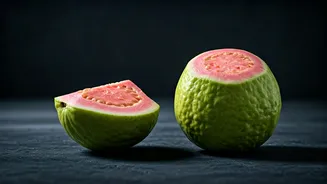
Guava, a nutritional powerhouse, offers a wealth of vitamins like C, A, B, and K, contributing to improved digestion, a robust immune system, and balanced
blood sugar. While the fruit itself is universally beneficial, a common query arises: is it better to consume it with its peel or discard it? Experts suggest that for most individuals, keeping the peel intact maximizes the fruit's potential. The skin is a rich source of beneficial compounds, including polyphenols and flavonoids, which are potent antioxidants that actively combat inflammation and significantly support cardiovascular well-being. These phytonutrients work synergistically to protect cells from damage and promote overall vitality. Therefore, embracing the peel means unlocking a broader spectrum of health-promoting elements that are integral to the fruit's holistic nutritional profile. This makes the whole guava a more potent health ally for general well-being.
When to Skip the Peel
While the guava peel is generally lauded for its health benefits, there are specific circumstances where removing it might be the more prudent choice. For individuals managing chronic conditions such as diabetes, high cholesterol, or elevated blood pressure, opting for guava without its peel could be advantageous. Certain research indicates that individuals with these health concerns may find it easier to manage their conditions by consuming the fruit without the skin. This approach can potentially lead to a more controlled impact on blood sugar levels and lipid profiles. Furthermore, older adults, who may have more sensitive digestive systems or specific dietary considerations, might also benefit from removing the peel to ensure easier digestion and to mitigate any potential discomfort, thus making the fruit a gentler option for their dietary intake.
Raw vs. Ripe Guava
The ripeness of guava also plays a role in its health effects, with different stages potentially offering specific advantages. For those actively managing diabetes, unripe guava is sometimes recommended, as it may have a lower glycemic impact compared to its ripe counterpart. Additionally, raw or unripe guava is often considered beneficial for individuals focused on weight management or those looking to maintain optimal dental health. Conversely, ripe guava, characterized by its soft texture and natural sweetness, is a favorite among many, including children and older adults. Its ripeness makes it more easily digestible and it provides a good dose of Vitamin C and antioxidants crucial for overall health. Regardless of ripeness, guava can be integrated into a balanced diet for general wellness.
Personalized Dietary Choices
Ultimately, the decision of how to consume guava—with or without the peel, ripe or unripe—should be guided by individual health profiles and dietary needs. Since our bodies react differently to various foods, making informed choices based on personal health conditions is paramount. What benefits one person might have a different effect on another. This guidance is intended for general awareness, and it is always recommended to consult with a healthcare professional or a registered dietitian before making significant adjustments to your diet or lifestyle. They can provide personalized advice tailored to your unique health status and ensure that your dietary choices align with your overall health objectives.