




A New Dietary Path
In a recent development shared through a YouTube vlog, Shoaib Ibrahim offered a peek into the dietary adjustments made by his wife, Dipika Kakar, subsequent
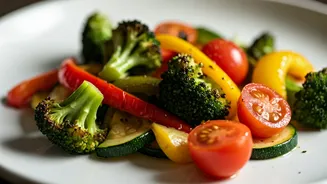
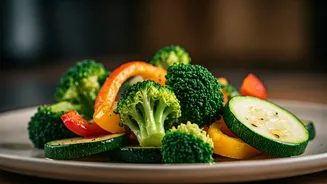
to her surgery for cancer recurrence. The video showcased a simple yet significant meal: sautéed vegetables. Shoaib playfully remarked on the selection, while Dipika confirmed its inclusion twice daily. This dietary shift, moving towards cooked vegetables, is not merely a preference but a considered approach to nutrition that aligns with therapeutic goals, particularly for individuals navigating recovery and aiming to prevent further health challenges. The choice highlights a growing awareness of how simple food choices can significantly impact the body's healing and resilience.
Nutritional Advantages Unpacked
Consultant dietitian Garima Goyal emphasizes that sautéed vegetables, when prepared with care, offer a potent mix of easily absorbed nutrients, antioxidants, and beneficial plant compounds that bolster the body's natural defenses. This method of cooking, especially with healthy fats like olive oil or ghee, substantially improves the absorption of fat-soluble vitamins (A, D, E, K) and vital phytonutrients such as beta-carotene and lycopene, which are crucial for individuals recuperating from illness. Furthermore, the gentle heat employed in sautéing can help diminish anti-nutritional elements like oxalates and phytates, leading to better mineral uptake and improved digestion. This focus on bioavailability is key to maximizing the nutritional benefits derived from plant-based foods during a recovery period.
Fighting Inflammation Effectively
The inherent anti-inflammatory properties of a diverse array of vegetables are central to their role in combating chronic inflammation and oxidative stress, conditions often linked to cancer progression and recurrence. Vibrant vegetables like bell peppers, zucchini, carrots, and leafy greens are packed with antioxidants that actively neutralize harmful free radicals, thereby supporting the body's internal defense mechanisms. Specifically, cruciferous vegetables such as broccoli, cauliflower, and cabbage are noteworthy for their rich content of sulforaphane, a compound that plays a significant role in supporting the liver's phase 2 detoxification processes. This makes sautéed vegetable dishes an excellent choice for promoting cellular health and reducing systemic inflammation.
Mastering the Sauté
The health benefits derived from sautéed vegetables are intrinsically tied to the method of preparation. It is recommended to cook these vegetables over medium heat using high-quality, stable fats. Starting with aromatics like garlic and onions not only elevates the flavor profile but also activates beneficial sulfur-containing compounds. Denser vegetables should be introduced first, followed by softer ones, ensuring the final dish retains a slight crispness rather than becoming overly soft. Avoiding overcooking is paramount, as excessive heat can degrade essential nutrients and diminish the meal's therapeutic value. Incorporating spices like turmeric and black pepper can further amplify the anti-inflammatory effects. Consistency, variety, and freshness are key, making this a practical and sustainable dietary choice for daily consumption.